



Greece Rocked by Explosion: Five Injured in Suspected Attack Amid Rising Regional Tensions
A Sudden Blast Shakes Athens
A powerful explosion tore through a quiet neighborhood in Athens early Thursday morning, leaving five people wounded and sending shockwaves through a nation already on edge. According to Greece’s state broadcaster ERT, the victims sustained non-life-threatening injuries, but the attack—widely suspected to be deliberate—has reignited fears of escalating violence in a region grappling with geopolitical instability. The blast, which shattered windows and triggered panic among residents, underscores the persistent threat of sabotage and terrorism in Europe’s southeastern flank.
The Incident: What We Know So Far
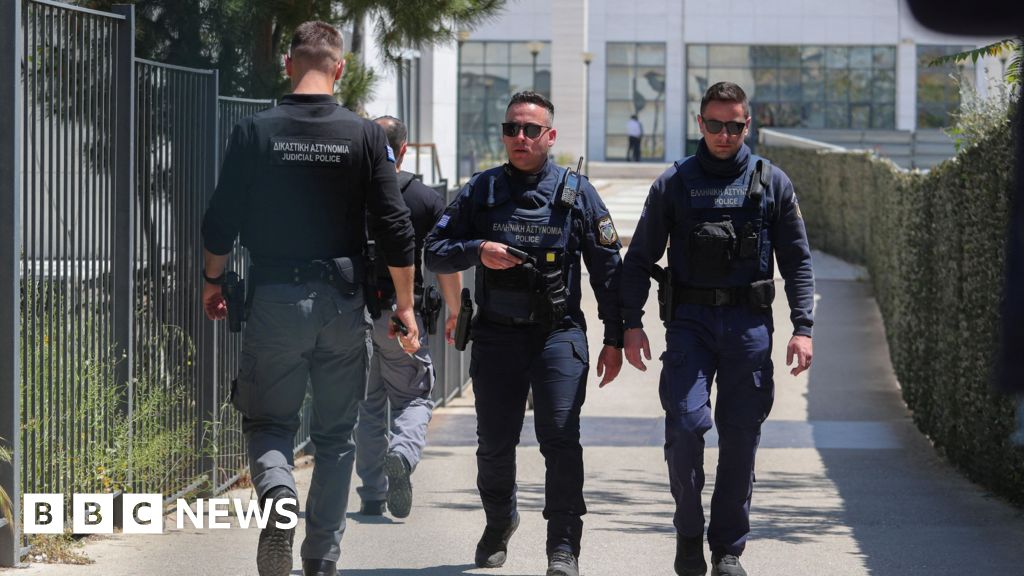
Emergency responders rushed to the scene following reports of a loud detonation in a commercial district just before dawn. Preliminary investigations suggest the explosion originated from an improvised device planted near a government-affiliated office, though authorities have yet to confirm whether the target was political or symbolic. Forensic teams are combing the area for evidence, while counterterrorism units have been placed on high alert.
The injured, including two bystanders and three employees of a nearby business, were treated for shrapnel wounds and burns. While no group has claimed responsibility, analysts point to a history of domestic extremism and foreign-linked plots in Greece, a NATO member often caught in the crosshairs of regional disputes.
Global Context: Why This Attack Matters
Greece’s strategic location at the crossroads of Europe, the Middle East, and North Africa makes it a focal point for both migration crises and security threats. The country has long been a battleground for anarchist factions, far-right militants, and foreign operatives—particularly as tensions flare between Turkey and the West over energy disputes in the Eastern Mediterranean.
The timing of the blast is also significant. With the war in Ukraine entering its third year and conflicts simmering in the Balkans, any act of violence in a NATO state risks further destabilizing an already volatile continent. Intelligence agencies have repeatedly warned that Russia and other adversarial actors could exploit divisions within the alliance, using proxy groups to sow chaos.
Historical Precedents and Regional Implications
This is not the first time Greece has faced such threats. In 2017, a wave of bombings by anarchist cells targeted diplomatic and corporate sites, while in 2020, Turkish-Greek tensions nearly boiled over into armed clashes. The latest explosion raises urgent questions: Is this an isolated act by local radicals, or a coordinated move by external forces?
Neighboring countries are watching closely. Turkey, Greece’s longtime rival, has accused Athens of harboring Kurdish militants, while Greek officials allege Turkish espionage operations on their soil. Any escalation could strain NATO’s unity at a time when the alliance is struggling to present a united front against Russia.
The Human Cost: Voices from the Ground
Among the survivors was Maria Kouris, a café owner whose shop was damaged in the blast. “I heard a deafening noise, then glass flying everywhere,” she told reporters, her hands still trembling hours later. “This used to be a safe area. Now, none of us feel safe.”
Such testimonies highlight the psychological toll of such attacks, which ripple far beyond physical injuries. Small businesses, already struggling post-pandemic, now face renewed uncertainty. Tourists—vital to Greece’s economy—may think twice before visiting if violence becomes routine.
Government Response and International Reactions
Greek Prime Minister Kyriakos Mitsotakis condemned the attack as a “cowardly act” and vowed to bring the perpetrators to justice. Security has been tightened around critical infrastructure, including airports and ports, while Interpol and Europol have offered assistance in the investigation.
The European Union’s top diplomat, Josep Borrell, issued a statement expressing solidarity with Greece, emphasizing that “terrorism has no place in Europe.” Meanwhile, U.S. State Department officials reiterated their commitment to supporting allies in the region, though they stopped short of attributing blame.
Why the World Should Care
In an era of interconnected crises, an attack in Athens is not just Greece’s problem. It tests NATO’s resilience, emboldens extremist networks, and could signal a dangerous new phase of hybrid warfare—where bombs and disinformation go hand in hand. For global markets, another destabilizing event in Europe risks spooking investors already wary of prolonged conflict.
Moreover, if foreign actors are indeed involved, the blast could mark a brazen attempt to probe Western defenses. Failure to respond decisively may invite further provocations, not just in Greece but across the continent.
A Fragile Peace Hangs in the Balance
As smoke clears from the rubble in Athens, the world is left with uneasy questions. Was this a random act of violence, or a calculated strike in a shadow war? With geopolitical fault lines deepening, Greece’s ordeal serves as a stark reminder: In today’s fractured world, no nation is an island. The coming days will reveal whether this attack is a tragic one-off—or the first spark in a wider fire.
For now, the injured recover, investigators scramble for answers, and a nervous public waits. The stakes, for Greece and beyond, could hardly be higher.
