



Birmingham Bin Strike Nears End as Political Pressure Mounts
The long-running bin strike in Birmingham, which has left streets overflowing with waste and residents frustrated, appears to be nearing a resolution after months of deadlock. On Monday, Birmingham City Council’s Labour leader, John Cotton, announced that a new offer would be presented to striking workers, signaling that an end to the industrial action is “within sight.” However, the announcement has sparked a political row, with Reform UK leader Nigel Farage claiming credit for pressuring Labour into action.
The strike, led by refuse workers over pay and working conditions, has been a significant challenge for Birmingham, the UK’s second-largest city. The disruption has not only caused widespread inconvenience but also raised concerns about public health and environmental hygiene. With negotiations stalled for weeks, the council’s latest move suggests a breakthrough may finally be on the horizon. But the political fallout surrounding the announcement has added a new layer of complexity to the situation.
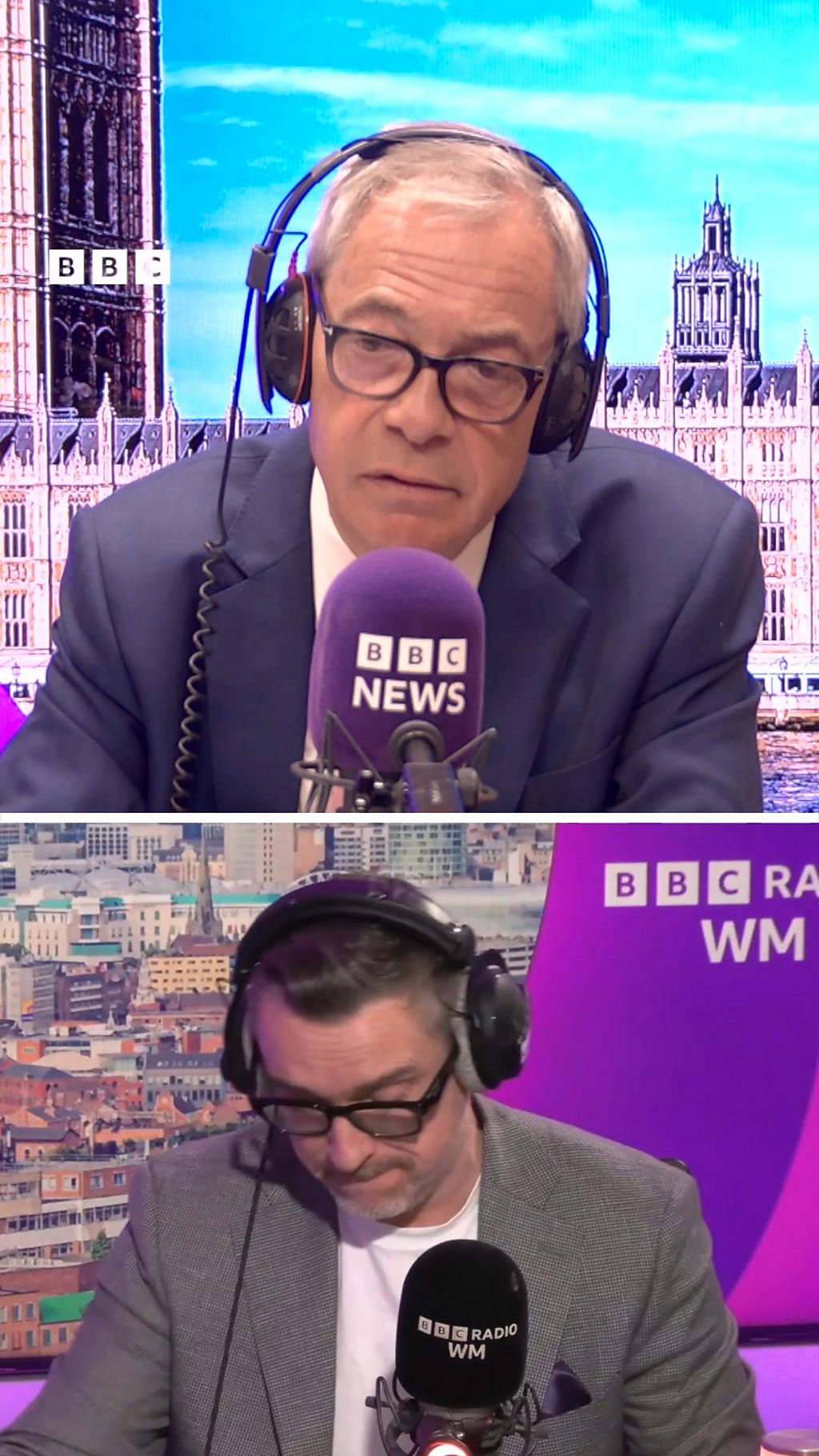
Speaking in Birmingham, Reform UK’s Nigel Farage asserted that his party’s pressure on Labour was instrumental in forcing the council’s hand. “There’s no shadow of a doubt that this is because of us,” Farage stated. “They’re terrified of us.” Farage, a prominent figure in British politics known for his Eurosceptic stance and leadership of the Brexit Party, has positioned Reform UK as a challenger to traditional parties. His comments highlight the growing influence of smaller political groups in shaping local and national agendas.
Cotton, however, downplayed the role of external pressure, emphasizing that the proposed deal was designed to benefit both workers and taxpayers. “This offer is good for the workforce and represents good value for money,” he said. The council leader added that the agreement would address key concerns raised by striking workers, though specific details of the deal have not yet been disclosed.
The bin strike has been a lightning rod for public discontent, with Birmingham residents bearing the brunt of the disruption. Piles of uncollected garbage have become a common sight in neighborhoods, prompting complaints about odors, pests, and deteriorating living conditions. The strike has also reignited debates about the role of local government in managing essential services and responding to workforce grievances.
The resolution of the strike comes at a critical time for Birmingham City Council, which has faced mounting criticism over its handling of the situation. The Labour-led council has been under pressure to demonstrate effective leadership amid accusations of mismanagement and a lack of urgency. With local elections on the horizon, the outcome of the strike could have significant implications for Labour’s political fortunes in the region.
Meanwhile, Farage’s intervention underscores the increasing influence of Reform UK, which has sought to capitalize on public dissatisfaction with mainstream parties. The party’s focus on issues such as waste management and local governance has resonated with voters in areas where traditional parties are perceived as out of touch. Farage’s claims of credit for the potential resolution of the strike suggest that Reform UK is positioning itself as a viable alternative in local politics.
The bin strike also highlights broader challenges facing local councils across the UK. Rising costs, budget constraints, and workforce disputes have placed immense pressure on local authorities, many of which are struggling to maintain essential services. Birmingham’s experience serves as a cautionary tale for other cities grappling with similar issues, particularly as inflation and economic uncertainty continue to strain public finances.
As negotiations between the council and workers enter their final stages, the focus now shifts to securing a lasting resolution. The proposed deal must not only address the immediate concerns of striking workers but also provide a sustainable framework for future labor relations. Failure to do so could risk further disruptions and erode public trust in local governance.
Looking ahead, the resolution of the Birmingham bin strike could have far-reaching implications for both local politics and industrial relations nationwide. For Birmingham City Council, the agreement represents an opportunity to rebuild public confidence and demonstrate its ability to manage complex challenges. For Reform UK, the episode reinforces its growing influence and ability to hold traditional parties accountable.
As Birmingham residents await a return to normalcy, the strike serves as a reminder of the delicate balance between worker rights and public service provision. The coming days will reveal whether the council’s offer can bring an end to the disruption—and whether Reform UK’s claims of political influence hold water in the eyes of voters.
