


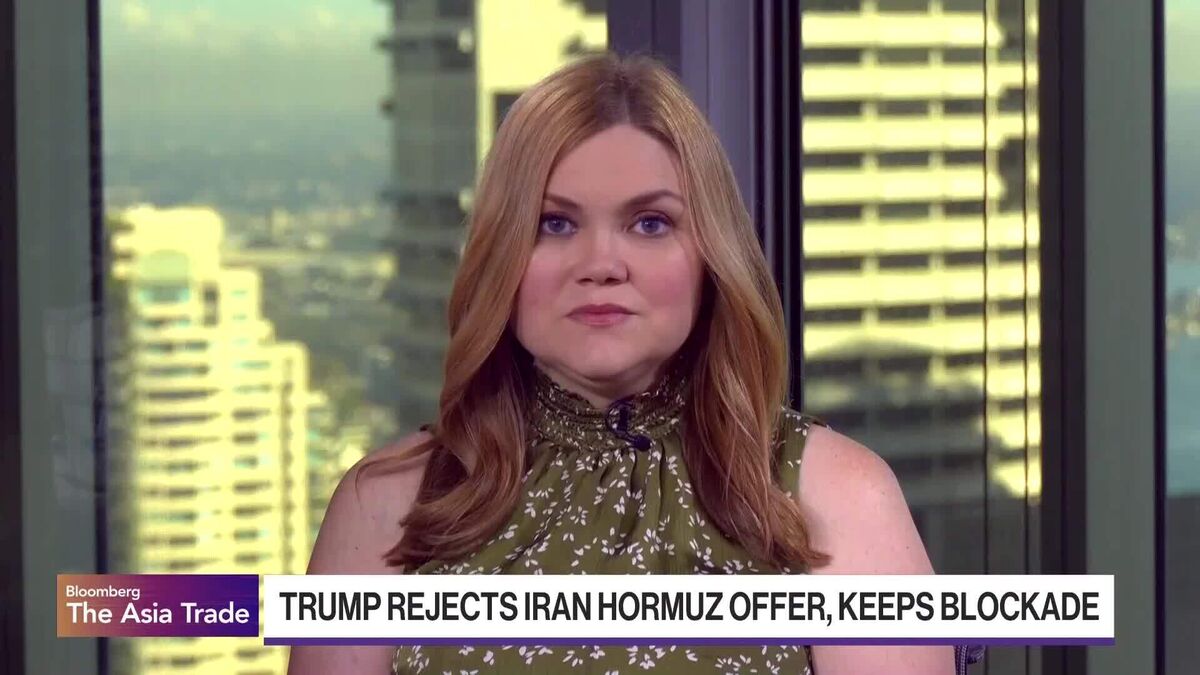

U.S. Reinforces Naval Blockade of Iranian Ports in Bid to Curtail Oil Exports and Revive Nuclear Talks
In a bold move that underscores the escalating tensions between Washington and Tehran, the United States has signaled its commitment to maintaining a stringent naval blockade of Iranian ports. The strategy aims to cripple Iran’s oil exports, a critical source of revenue for the regime, and compel the Islamic Republic to return to negotiations over its nuclear program. This latest escalation comes amid a stalemate in diplomatic efforts and highlights the Biden administration’s determination to use economic pressure as a lever to achieve its geopolitical objectives.
The Strategy Behind the Blockade
The U.S. Navy’s enforcement of the blockade is part of a broader campaign to enforce sanctions on Iranian oil exports, which have been a cornerstone of U.S. policy since the Trump administration withdrew from the 2015 Joint Comprehensive Plan of Action (JCPOA), commonly known as the Iran nuclear deal. Under the JCPOA, Iran agreed to limit its nuclear activities in exchange for the lifting of international sanctions. However, after the U.S. exit and the reimposition of harsh sanctions, Iran gradually resumed its nuclear activities, enriching uranium to levels far beyond the limits set by the agreement.
The Biden administration has sought to revive the nuclear deal, but negotiations have repeatedly stalled over disputes concerning sanctions relief and Iran’s nuclear advancements. In the absence of progress, Washington has opted to intensify its economic pressure tactics. By choking off Iran’s oil exports, the U.S. aims to strain the country’s economy, which is already grappling with inflation, currency devaluation, and widespread discontent among its population.
Iran’s oil exports are a lifeline for its economy, accounting for a significant portion of its government revenue. Since the reimposition of U.S. sanctions in 2018, Tehran has relied on clandestine methods to sell its oil, often using ship-to-ship transfers and other tactics to evade detection. The U.S. naval blockade seeks to disrupt these operations, making it increasingly difficult for Iran to find buyers for its crude.
Regional and Global Implications
The naval blockade has far-reaching implications, not only for Iran but also for global energy markets and regional stability. Iran has consistently sought to circumvent sanctions by forging alliances with countries like China and Venezuela, which have continued to purchase Iranian oil despite U.S. pressure. The blockade could strain these relationships, potentially leading to diplomatic friction between Washington and Beijing.
Moreover, the move risks exacerbating tensions in the already volatile Persian Gulf region. Iran has previously responded to U.S. pressure with retaliatory actions, including attacks on commercial shipping and the seizure of foreign vessels. The imposition of a naval blockade could provoke further escalations, raising the specter of military confrontations in one of the world’s most strategically important waterways.
The Strait of Hormuz, a narrow chokepoint through which a significant portion of the world’s oil supply passes, is particularly vulnerable to such conflicts. Any disruption in the strait could send shockwaves through global energy markets, driving up oil prices and undermining economic recovery efforts in the wake of the COVID-19 pandemic.
Iran’s Response and Domestic Challenges
Iran has vehemently condemned the U.S. blockade, describing it as an act of aggression and a violation of international law. In a statement, Iran’s Foreign Ministry accused the U.S. of pursuing a policy of “maximum pressure” designed to undermine the country’s sovereignty and destabilize its government. Tehran has vowed to resist the blockade, promising to find new ways to export its oil and continue its nuclear program.
However, Iran’s ability to withstand the economic pressure is increasingly being tested. The country is facing mounting challenges, including widespread protests fueled by economic grievances and dissatisfaction with the government. The blockade could exacerbate these issues, potentially weakening the regime’s grip on power.
At the same time, Iran’s leadership appears determined to maintain its defiant stance, betting on its ability to outlast U.S. pressure. Supreme Leader Ayatollah Ali Khamenei has repeatedly emphasized the importance of resisting Western influence and pursuing self-reliance. This narrative has resonated with many Iranians, but it remains to be seen whether it will be enough to sustain the country through prolonged economic hardship.
The Broader Geopolitical Landscape
The U.S. blockade of Iranian ports is unfolding against the backdrop of a shifting geopolitical landscape. The Biden administration’s approach to Iran reflects its broader strategy of reasserting U.S. leadership in the Middle East while maintaining a focus on countering China’s growing influence globally. By tightening sanctions on Iran, Washington aims to send a clear message to other adversarial regimes about the consequences of defying U.S. demands.
However, the U.S. strategy is not without risks. The blockade could alienate key allies, particularly in Europe, where some countries remain committed to the JCPOA and advocate for a more diplomatic approach to resolving the nuclear issue. France, Germany, and the United Kingdom, the so-called E3, have expressed concerns about the potential for escalation and have called for renewed dialogue between Washington and Tehran.
Looking Ahead
The U.S. naval blockade of Iranian ports represents a high-stakes gambit in the ongoing standoff over Iran’s nuclear program. While it underscores Washington’s resolve to curb Tehran’s ambitions, it also carries significant risks, including the potential for military escalation, disruptions to global energy supplies, and further deterioration of diplomatic relations.
As the situation continues to unfold, the international community will be closely watching to see how Iran responds and whether the pressure tactics succeed in bringing Tehran back to the negotiating table. For now, the blockade serves as a stark reminder of the complex and often volatile dynamics that define U.S.-Iran relations, with far-reaching consequences for the region and the world.
In the end, the effectiveness of the blockade will depend not only on its ability to cripple Iran’s economy but also on the willingness of both sides to engage in meaningful dialogue. As history has shown, economic pressure alone is rarely enough to resolve deeply entrenched conflicts, and the path to peace will require a combination of coercion and compromise.
