


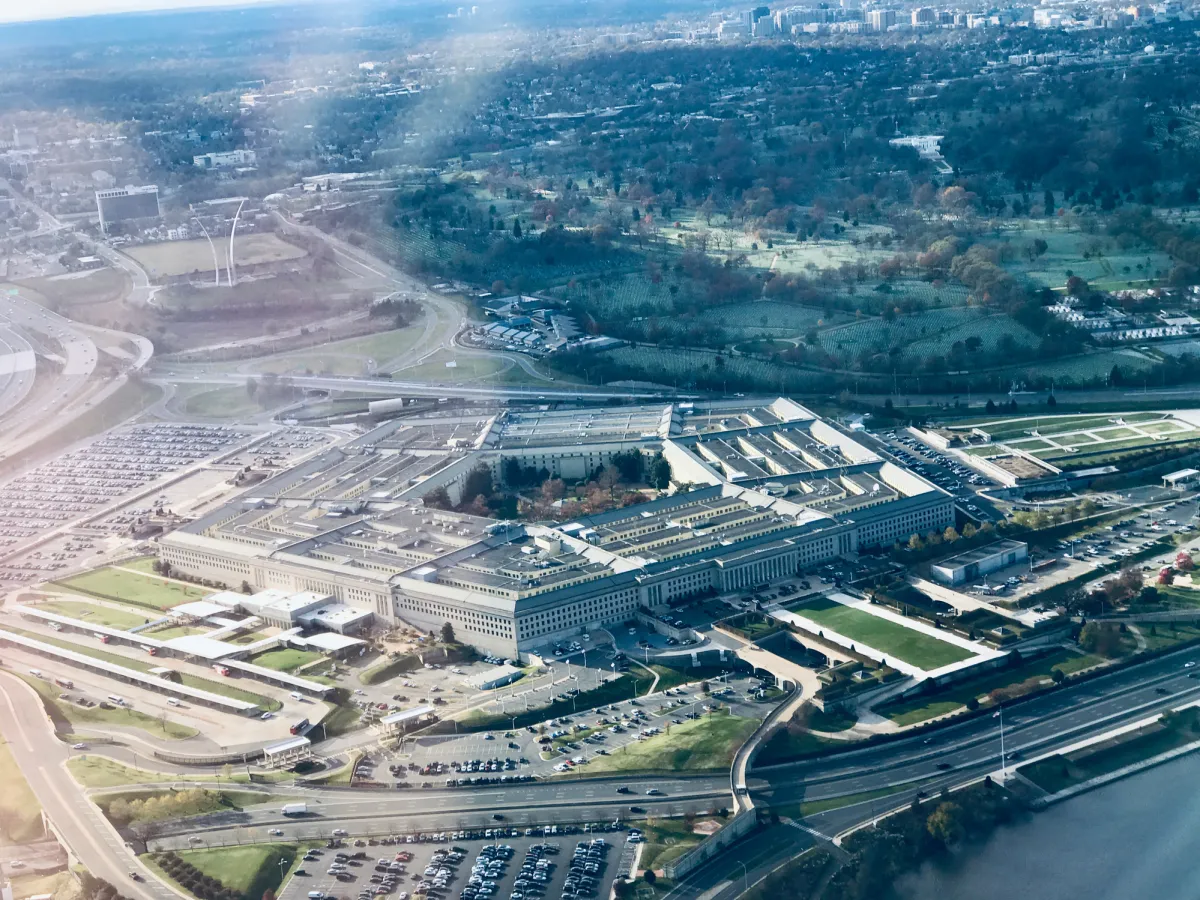

Pentagon Expands AI Partnerships with Tech Giants to Bolster Military Capabilities
In a landmark move signaling the U.S. military’s accelerating embrace of artificial intelligence, the Department of Defense (DoD) announced on Friday a series of agreements with leading AI and cloud computing companies, including Nvidia, Microsoft, Amazon Web Services (AWS), and Reflection AI. These partnerships will allow the Pentagon to deploy advanced AI technologies across its classified networks, marking a significant step toward transforming the U.S. armed forces into an AI-driven military powerhouse.
The agreements, which enable “lawful operational use” of AI models in high-security environments, aim to enhance decision-making, situational awareness, and operational efficiency across all domains of warfare. They come amid a broader push by the Pentagon to diversify its AI vendor base, a strategy underscored by its ongoing legal dispute with Anthropic, an AI lab that has resisted unrestricted military use of its technology.
“These agreements accelerate the transformation toward establishing the United States military as an AI-first fighting force and will strengthen our warfighters’ ability to maintain decision superiority across all domains of warfare,” the DoD said in a statement.
A Strategic Shift Toward AI Dominance
The Pentagon’s latest deals reflect its commitment to integrating cutting-edge AI capabilities into national defense. By leveraging AI tools for data synthesis, situational analysis, and decision-making, the military aims to maintain a competitive edge in an increasingly complex global security landscape.
The DoD’s reliance on AI is not new. Over the past decade, the U.S. military has increasingly incorporated AI into logistics, reconnaissance, and cybersecurity operations. However, the new agreements signify a deeper, more formalized collaboration with the private sector, underscoring the Pentagon’s recognition of the private sector’s pivotal role in technological innovation.
The AI hardware and models from Nvidia, Microsoft, AWS, and Reflection AI will be deployed in Impact Level 6 (IL6) and Impact Level 7 (IL7) environments—classified systems deemed critical to national security. These environments require stringent physical protections, access controls, and auditing mechanisms to safeguard sensitive data.
“Access to a diverse suite of AI capabilities from across the resilient American technology stack will give warfighters the tools they need to act with confidence and safeguard the nation against any threat,” the DoD added.
The Backdrop of Vendor Diversification
The Pentagon’s push to diversify its AI partnerships comes in the wake of a contentious legal battle with Anthropic, an AI research lab that has raised ethical concerns about unrestricted military use of its technology. Anthropic previously secured an injunction against the DoD in March 2026, after the Pentagon labeled the company a “supply chain risk” following its refusal to grant unrestricted access to its AI models.
Anthropic’s stance highlights growing tensions between AI developers and government agencies over the ethical implications of military AI applications. While Anthropic advocates for guardrails to prevent misuse, particularly in areas like autonomous weapons and domestic surveillance, the Pentagon has emphasized the need for flexibility and unrestricted access to advanced AI tools.
“The Department will continue to build an architecture that prevents AI vendor lock-in and ensures long-term flexibility for the Joint Force,” the DoD stated, signaling its intent to avoid over-reliance on any single vendor.
GenAI.mil: A Secure Platform for AI Deployment
The Pentagon also revealed that its secure enterprise platform for generative AI, GenAI.mil, has already been accessed by more than 1.3 million DoD personnel. Designed to provide access to large language models (LLMs) and other AI tools within government-approved cloud environments, GenAI.mil supports non-classified tasks such as research, document drafting, and data analysis.
The platform represents a critical component of the Pentagon’s AI strategy, enabling personnel to harness AI capabilities while maintaining strict security protocols. However, the new agreements with Nvidia, Microsoft, AWS, and Reflection AI extend the military’s AI toolkit into classified domains, where the stakes are significantly higher.
Global Implications and Ethical Concerns
The Pentagon’s AI advancements come at a time when global powers are increasingly investing in AI-driven military technologies. China, Russia, and other nations have also prioritized AI in their defense strategies, raising concerns about an emerging AI arms race.
While the U.S. military maintains that its use of AI is aimed at enhancing operational efficiency and safeguarding national security, critics argue that the technology could exacerbate ethical dilemmas, particularly in areas like autonomous weapons and mass surveillance.
Experts warn that the integration of AI into military operations could blur the lines of accountability, particularly in scenarios where AI systems make critical decisions without human oversight. The ethical implications of these technologies, coupled with their potential for misuse, underscore the need for robust governance frameworks.
Balancing Innovation and Accountability
The Pentagon’s latest agreements demonstrate its commitment to harnessing AI as a strategic asset. By partnering with industry leaders, the U.S. military aims to leverage the private sector’s expertise while ensuring access to a diverse range of AI capabilities.
However, the ethical challenges posed by military AI applications cannot be overlooked. As the Pentagon accelerates its AI initiatives, it must strike a delicate balance between innovation and accountability, ensuring that technological advancements are aligned with ethical principles and international norms.
The global security landscape is evolving rapidly, and AI is poised to play a central role in shaping its future. Whether the Pentagon’s ambitious AI strategy will enhance national security or exacerbate ethical dilemmas remains to be seen, but one thing is clear: the integration of AI into military operations is no longer a question of if, but how.
As the U.S. military charts its course toward becoming an AI-first fighting force, the world will be watching closely, weighing the potential benefits against the risks of an AI-driven arms race. In this high-stakes game, the Pentagon’s ability to navigate the complexities of AI ethics will be just as critical as its technological prowess.
