



Global Investors Flock to Cape Town Wineries Amid Global Wine Market Slowdown
In an unexpected twist amidst a global slowdown in wine sales, international investors are increasingly eyeing Cape Town, South Africa, as a lucrative destination for commercial winery acquisitions. Despite the broader industry’s challenges—from declining consumption in traditional markets to supply chain disruptions—Cape Town’s vineyards are emerging as a rare hotspot where vineyard prices continue to climb. French, German, and Norwegian consortiums are leading the charge, injecting significant capital into the region’s wine industry. This trend highlights not only the resilience of Cape Town’s wine-producing capabilities but also the strategic allure of its unique terroir, affordable land prices, and growing reputation for premium-quality wines.
The Paradox of a Thriving Cape Town Wine Industry
The global wine industry has faced a tumultuous few years. According to the International Organisation of Vine and Wine (OIV), worldwide wine consumption declined by approximately 3% in 2022, with traditional markets like Europe and North America witnessing a notable drop in demand. Millennial and Gen Z consumers, who are increasingly opting for alternative beverages such as craft beers, spirits, and non-alcoholic drinks, have been cited as a key driver of this shift. Additionally, rising inflation, higher production costs, and logistical challenges have further strained wineries across the globe.
In stark contrast, Cape Town’s wine industry appears to be weathering these headwinds with remarkable resilience. The city and its surrounding Western Cape region, renowned for their picturesque vineyards and world-class wines, have become a magnet for foreign investment. Over the past two years, vineyard prices in the area have surged by an average of 15%, defying the stagnation or decline seen in other prominent wine-producing regions such as Bordeaux, Napa Valley, and Tuscany.
What Makes Cape Town So Attractive?
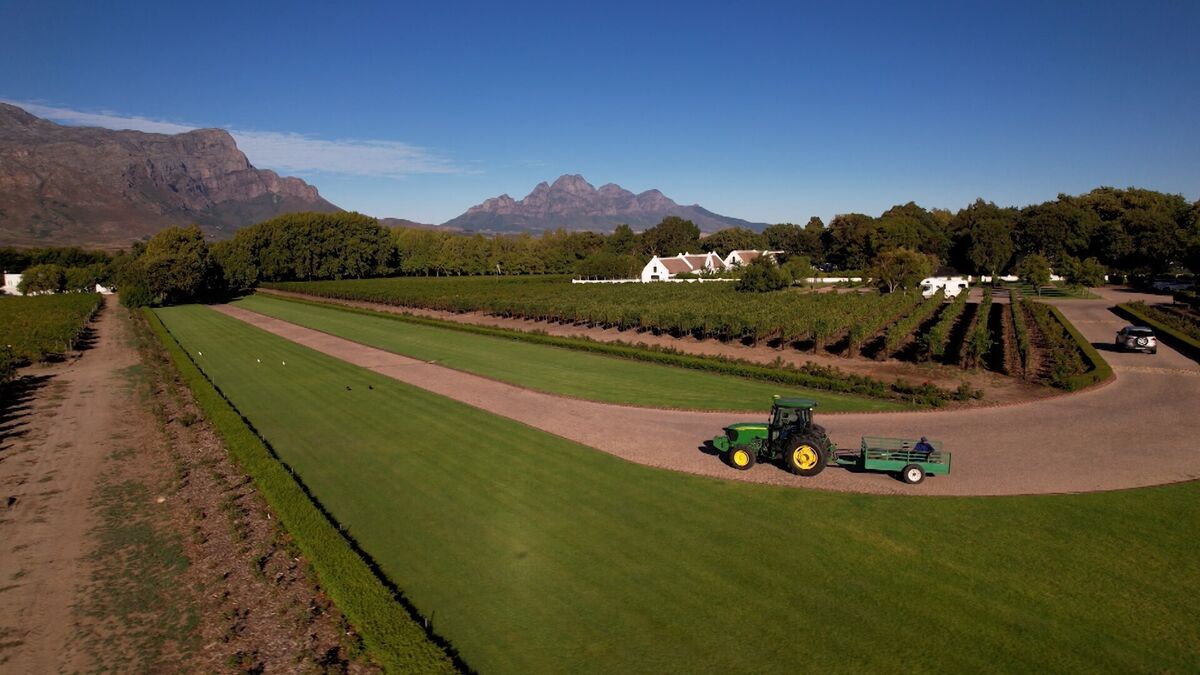
Several factors contribute to Cape Town’s unique appeal for global investors. First and foremost is the region’s exceptional terroir—a combination of climate, soil, and geography that produces wines of distinctive quality. The Western Cape boasts a Mediterranean climate with warm, dry summers and cool, wet winters, ideal for cultivating a variety of grape varietals. The region’s vineyards are situated amidst breathtaking landscapes, from the foothills of Table Mountain to the rolling hills of Stellenbosch and Franschhoek, further enhancing their allure.
Another critical factor is affordability. Compared to established wine regions in Europe and North America, land prices in Cape Town remain relatively low, offering investors a high potential return on investment. For example, the average price per hectare of vineyard land in Bordeaux is approximately €200,000 ($215,000), while in Cape Town, it hovers around €50,000 ($54,000). This price disparity has made the region particularly attractive to European investors seeking to diversify their portfolios and capitalize on untapped markets.
Moreover, Cape Town’s wine industry has benefited from a concerted effort to elevate its global reputation. Over the past decade, South African winemakers have focused on producing high-quality, sustainable wines that appeal to international markets. Initiatives such as the Integrated Production of Wine (IPW) certification, which promotes environmentally friendly farming practices, have bolstered the region’s credibility among eco-conscious consumers.
International Interest Drives Investment Boom
The influx of foreign capital into Cape Town’s wine industry is spearheaded by European consortiums. French investors, in particular, have been prominent players, drawn by their expertise in viticulture and their desire to expand into new markets. German and Norwegian groups have also joined the fray, leveraging their financial resources to acquire stakes in established wineries or develop new vineyards.
One notable example is the recent acquisition of a historic Stellenbosch winery by a Franco-German consortium. The deal, reportedly valued at €15 million ($16.2 million), includes plans to modernize the winery’s facilities and expand its export reach. Similarly, a Norwegian investment group has earmarked €10 million ($10.8 million) for the development of a boutique winery in Franschhoek, targeting affluent consumers in Scandinavia and beyond.
These investments are not just about financial returns; they also reflect a broader strategic interest in securing a foothold in one of the world’s few remaining growth markets for wine production. “Cape Town represents a unique opportunity in an otherwise challenging global industry,” says Henri Dubois, a French wine industry analyst. “Its combination of quality, affordability, and sustainability sets it apart from other regions.”
Challenges and Opportunities Ahead
Despite the optimism surrounding Cape Town’s wine industry, challenges remain. The region’s reliance on exports makes it vulnerable to global economic fluctuations and trade barriers. Additionally, the ongoing impact of climate change poses a long-term threat to vineyard sustainability, with rising temperatures and erratic weather patterns potentially affecting crop yields.
However, many stakeholders view these challenges as opportunities for innovation and growth. Investments in advanced irrigation systems, renewable energy, and precision agriculture are helping wineries adapt to changing conditions. Furthermore, the growing demand for organic and biodynamic wines presents a chance for Cape Town to carve out a niche in the premium wine segment.
A Balanced Outlook
As global investors pour money into Cape Town’s wineries, the region is poised to solidify its position as a key player in the international wine market. While the broader industry grapples with declining sales and economic uncertainty, Cape Town’s unique advantages—affordable land, exceptional terroir, and a commitment to sustainability—have made it a beacon of opportunity.
Yet, the road ahead is not without its hurdles. Balancing growth with environmental stewardship, navigating global market dynamics, and maintaining the region’s distinct identity will be critical to ensuring long-term success. For now, Cape Town’s vineyards stand as a testament to the enduring allure of wine—and the promise of a region that continues to captivate the world. As the industry evolves, Cape Town’s story serves as a reminder that even in uncertain times, innovation and resilience can yield remarkable results.
