


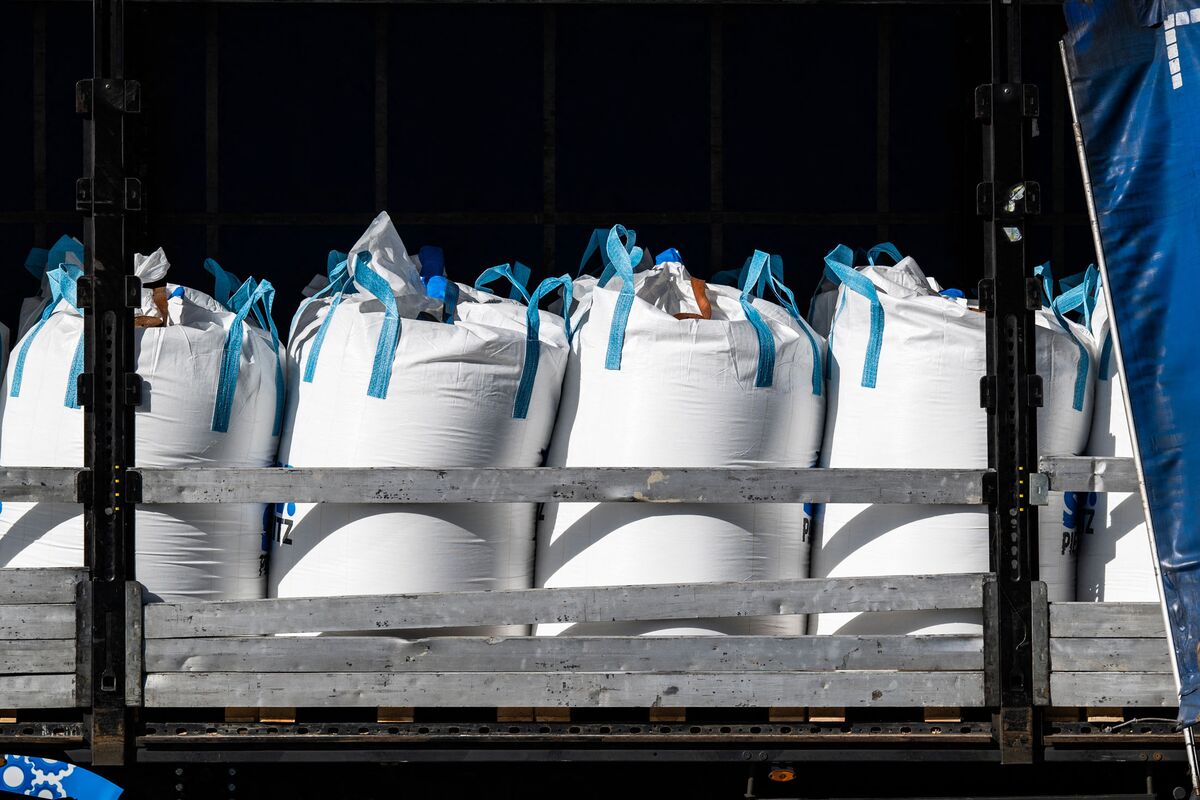

Global Fertilizer Crisis Deepens Food Insecurity in Malawi, Highlighting Wider Regional Challenges
In the heart of Southern Africa, Malawi—a nation already grappling with the dual burdens of poverty and climate change—has found itself thrust into the center of a deepening global crisis. A convergence of geopolitical tensions, supply chain disruptions, and economic instability has sent shockwaves through the fertilizer market, creating a perfect storm for food insecurity in one of the world’s most vulnerable countries. Malawi’s predicament is not just a local tragedy but a stark reminder of how global conflicts can cascade into life-threatening consequences for those least equipped to withstand them.
At the core of Malawi’s unfolding crisis is its heavy reliance on imported fertilizers, a lifeline for its agricultural sector, which supports nearly 80% of the population. Fertilizer prices have skyrocketed in recent months, driven by a complex interplay of factors, including energy price hikes, logistical bottlenecks, and the fallout from Russia’s invasion of Ukraine. However, Malawi’s situation has been exacerbated by the geopolitical tensions surrounding Iran, a key supplier of urea—a critical component of fertilizer blends. The disruption in trade flows from Iran, compounded by broader global instability, has left Malawi struggling to secure affordable supplies, threatening its food production and, ultimately, its people’s survival.
The Fertilizer Crisis: A Global Context
The global fertilizer market has been in turmoil since late 2021, when rising energy costs and pandemic-related disruptions began to strain supply chains. Russia’s war in Ukraine further intensified the crisis, as both countries are major exporters of fertilizers and their raw materials. Sanctions on Russia and the blockade of Ukrainian ports disrupted shipments, sending prices soaring.
However, the strain on Malawi’s fertilizer supply is also tied to Iran, a significant producer of urea. Urea, a nitrogen-rich compound, is essential for crop growth, particularly in regions with nutrient-depleted soils like Malawi. Iran’s involvement in regional conflicts and its tense relations with Western powers have led to sanctions and export restrictions, limiting its ability to supply global markets. This disruption has hit Malawi hard, as the country relies heavily on imports to meet its agricultural needs.
The ripple effects of these disruptions are particularly severe in Sub-Saharan Africa, where fertilizer is already prohibitively expensive for many farmers. Malawi, one of the poorest nations in the world, is especially vulnerable. With limited foreign exchange reserves and a weak currency, the Malawian government has struggled to procure fertilizers at inflated global prices. The result is a looming food crisis that threatens to undo years of progress in combating hunger and poverty.
Malawi’s Agricultural Lifeline Under Threat
Agriculture is the backbone of Malawi’s economy, employing the majority of its workforce and contributing significantly to its GDP. Maize, the country’s staple crop, is particularly reliant on fertilizers to achieve even modest yields. Yet, for many smallholder farmers, access to affordable fertilizers remains a distant dream.
“The cost of fertilizer has doubled in the past year,” said John Phiri, a farmer from the central region of Malawi. “Last season, I could barely afford enough to fertilize half of my land. This year, I might not be able to buy any at all.”
Phiri’s story is emblematic of the challenges facing millions of Malawian farmers. Without adequate fertilizer, crop yields are expected to plummet, exacerbating food shortages and driving up prices. The United Nations World Food Programme (WFP) has warned that Malawi could face a “catastrophic” hunger crisis if immediate action is not taken.
The Malawian government has sought to mitigate the crisis through subsidies and import agreements, but these efforts have been hampered by global market volatility and limited financial resources. In September 2022, President Lazarus Chakwera declared a state of emergency, calling for international assistance to address the fertilizer shortage. However, with global aid budgets stretched thin by multiple crises, Malawi’s plea has yet to yield a significant response.
Broader Implications for Food Security
Malawi’s predicament is far from unique. Across Africa, countries reliant on imported fertilizers are grappling with similar challenges. The Food and Agriculture Organization (FAO) reports that fertilizer prices in Sub-Saharan Africa have surged by over 150% since 2020, pushing millions of farmers to the brink of economic ruin.
The fertilizer crisis poses a dire threat to food security in a region already plagued by high levels of hunger and malnutrition. According to the WFP, over 280 million people in Africa faced food insecurity in 2022, a figure that could rise sharply if fertilizer shortages persist.
The situation underscores the interconnectedness of global food systems and the vulnerability of low-income countries to external shocks. “When geopolitical conflicts disrupt global markets, it’s not just economies that suffer—it’s people’s lives,” said Dr. Agnes Kalibata, president of the Alliance for a Green Revolution in Africa (AGRA). “We need urgent action to ensure affordable access to fertilizers and prevent a humanitarian disaster.”
Calls for Global Solidarity and Sustainable Solutions
As Malawi teeters on the edge of a full-blown food crisis, calls for international solidarity and innovative solutions are growing louder. Experts argue that addressing the immediate fertilizer shortage is only part of the solution. Long-term strategies, such as investing in sustainable agriculture and reducing dependence on imported inputs, are essential to building resilience in vulnerable regions.
Organizations like AGRA are advocating for policies that promote the use of organic fertilizers, crop rotation, and other agroecological practices. These approaches not only reduce reliance on synthetic fertilizers but also enhance soil health and biodiversity.
Meanwhile, governments and international agencies must work together to stabilize global fertilizer markets and ensure equitable access for the most affected countries. “The world cannot afford to turn a blind eye to Malawi’s plight,” said Dr. Kalibata. “This is a test of our collective commitment to ending hunger and achieving food security for all.”
A Precarious Future
As Malawi heads into another planting season, the stakes could not be higher. The outcome of this year’s harvest will determine the fate of millions of Malawians—and serve as a bellwether for the broader challenges facing global food systems in an era of unprecedented uncertainty.
The story of Malawi’s fertilizer crisis is a sobering reminder of the fragility of our interconnected world. It highlights the urgent need for global cooperation and innovative solutions to address the root causes of food insecurity. As the world watches, Malawi’s struggle for survival underscores a fundamental truth: in an era of global crises, no country can afford to stand alone.
