



The Future of OpenAI Hangs in the Balance as Jury Deliberates Musk’s High-Stakes Lawsuit
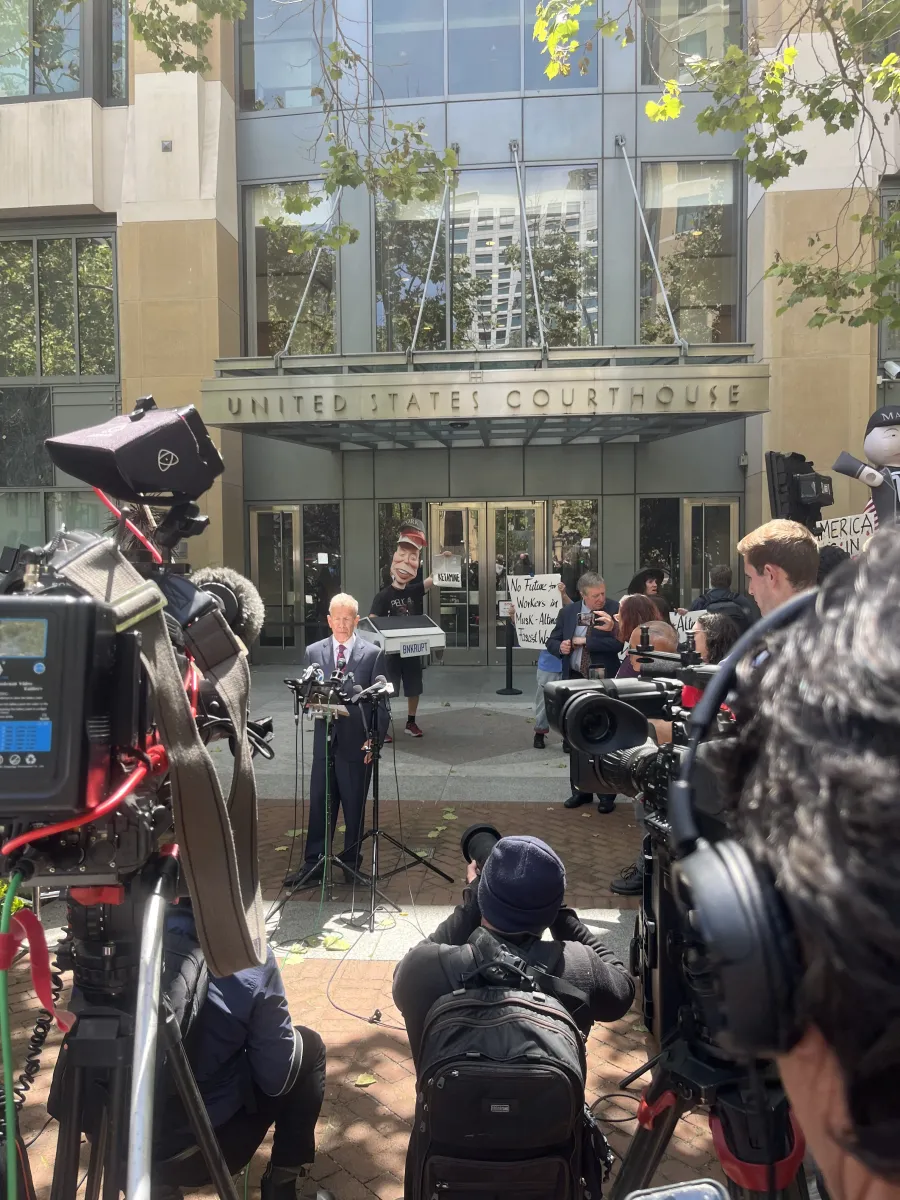
In a landmark trial that could reshape the future of artificial intelligence (AI), nine California jurors are now deliberating over the fate of OpenAI, the world-renowned AI lab co-founded by tech mogul Elon Musk, Sam Altman, and Greg Brockman. The case, which pits Musk against his former collaborators and tech giant Microsoft, hinges on allegations of breach of charitable trust, unjust enrichment, and aiding and abetting violations. The outcome of this trial could determine whether OpenAI continues as a for-profit entity or undergoes a dramatic restructuring.
At the heart of the lawsuit is Musk’s claim that OpenAI and its co-founders deviated from their original mission to develop AI for the benefit of humanity, instead prioritizing commercial interests. Musk’s legal team argues that OpenAI’s shift towards a profit-driven model, particularly after Microsoft’s $10 billion investment in 2023, betrayed the charitable purpose of his donations and enriched its founders and investors at the expense of the non-profit’s mission.
The Core Allegations: Breach of Charitable Trust and Unjust Enrichment
Musk’s attorneys contend that OpenAI transformed into a commercially focused entity, straying from its foundational goal of ensuring AI benefits all of humanity rather than a single corporation. They argue that Musk’s donations were intended to support a non-profit focused on AI safety, not to enrich OpenAI’s founders or its for-profit affiliate. The $10 billion Microsoft investment in 2023, which occurred after the statute of limitations, is cited as a pivotal moment that solidified Musk’s conviction that OpenAI had abandoned its charitable mission.
OpenAI’s defense team, however, has countered these allegations by arguing that Musk’s donations were fully utilized by the non-profit foundation well before the key dates in question. A forensic accountant testified that all of Musk’s contributions were spent by August 5, 2021, effectively invalidating the breach of charitable trust claim. Additionally, OpenAI maintains that its for-profit affiliate has advanced the non-profit’s mission by generating nearly $200 billion in equity value to support its activities. Sam Altman emphasized that offering ChatGPT for free exemplifies OpenAI’s commitment to sharing AI advancements with the world.
The unjust enrichment claim focuses on the multibillion-dollar valuations of stakes held by OpenAI founders and Microsoft. Musk’s legal team argues that these financial gains were made possible by misusing his charitable donations for personal benefit. OpenAI’s defense counters that equity distributions occurred well after Musk’s departure from the organization in 2018 and were integral to attracting top talent to develop artificial general intelligence (AGI), a key goal of the organization.
Microsoft’s Role: Aiding and Abetting Allegations
Musk’s case also scrutinizes Microsoft’s involvement in OpenAI’s operations, particularly during the tumultuous period in 2023 when Sam Altman was temporarily ousted and subsequently reinstated as CEO. Musk’s attorneys claim that Microsoft executives, including CEO Satya Nadella, played a significant role in this episode, which they argue further diverted OpenAI from its charitable mission. They highlight a clause in Microsoft’s agreement with OpenAI that granted the tech giant veto rights over major corporate decisions, suggesting a conflict with the non-profit’s goals.
Microsoft’s witnesses, however, have denied any knowledge of specific conditions attached to Musk’s donations and maintain that their investments were essential to OpenAI’s success. They also testified that Microsoft never exercised its veto rights and that its contributions enabled OpenAI to achieve groundbreaking advancements in AI.
Statute of Limitations and Unreasonable Delay
OpenAI’s defense has emphasized what it calls Musk’s unreasonable delay in filing the lawsuit, arguing that he could have raised his concerns years earlier. Musk’s legal team acknowledges that his skepticism grew over time but claims that the 2023 Microsoft investment was the final straw. OpenAI’s attorneys counter that Musk had ample notice of OpenAI’s direction through various communications, including tweets where he criticized the company years before filing the lawsuit.
The statute of limitations argument is a critical aspect of OpenAI’s defense. If any alleged harm occurred before August 5, 2021 (for breach of charitable trust), August 5, 2022 (for unjust enrichment), or November 14, 2021 (for aiding and abetting), Musk’s claims would be rendered moot. OpenAI has presented evidence that all donations were spent by these dates, and that Musk’s formal role in the organization ended in 2018.
Unclean Hands: Musk’s Competing Interests
OpenAI’s defense also raises the doctrine of “unclean hands,” arguing that Musk’s conduct undermines his claims. Evidence presented in court suggests that Musk was planning his own competing AI initiatives while still chairing OpenAI, including hiring OpenAI employees for AI projects at Tesla. OpenAI’s lead attorney, Bill Savitt, told the jury that Musk “abandoned OpenAI for dead in 2018” and withheld donations in 2017 in an attempt to gain control of a planned for-profit affiliate. Additionally, Musk’s adviser Shivon Zilis, who is also the mother of three of his children, reportedly failed to disclose her personal relationship with Musk to OpenAI’s board for years.
The Broader Implications
This trial is not just a legal battle; it is a reflection of the broader tensions between altruistic ambitions and commercial imperatives in the AI industry. OpenAI’s rise to prominence, propelled by its ChatGPT technology, has revolutionized the field but also raised questions about the balance between profit and purpose.
If Musk prevails, the consequences for OpenAI could be seismic. The company might be forced to restructure, potentially reverting to a purely non-profit model or undergoing significant governance changes. However, a verdict in favor of OpenAI would reinforce its current hybrid structure, allowing it to continue leveraging commercial partnerships to fund its mission.
As jurors deliberate, the tech world watches closely. The outcome of this case could set a precedent for how AI organizations navigate the complex interplay between innovation, ethics, and profitability. Whatever the verdict, the trial underscores the profound challenges of ensuring that AI advancements benefit humanity as a whole, rather than falling under the control of a select few.
The jury’s decision will not only determine the future of OpenAI but also shape the trajectory of AI development globally—a reminder that the stakes in this trial extend far beyond the courtroom.
