



Global Security Crisis: Russia’s Escalated Strikes Kill Civilians in Ukraine as War Intensifies
Kyiv Under Fire as Civilian Toll Rises
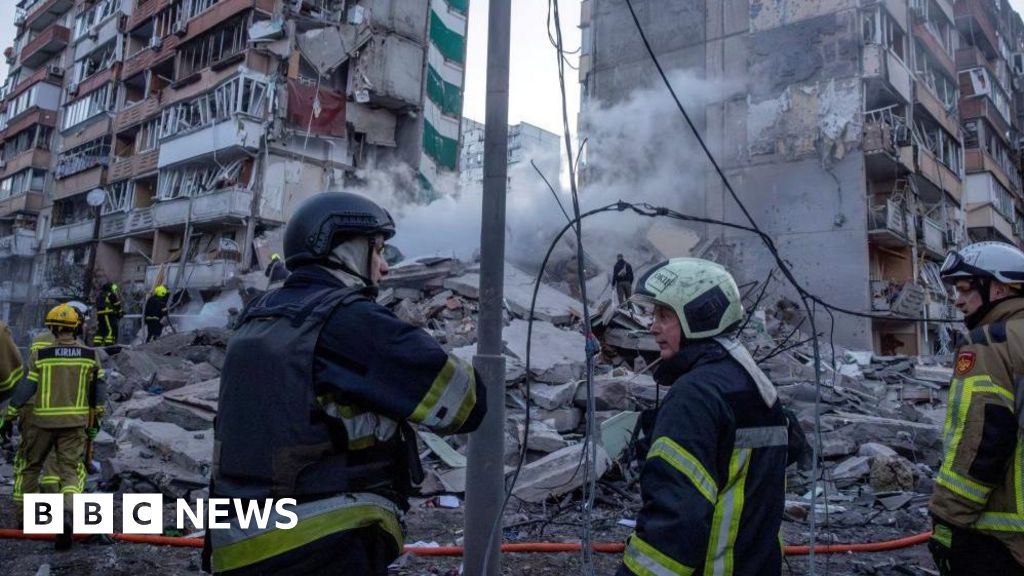
A 12-year-old girl and four others were killed overnight as Russia unleashed a massive wave of drone and missile strikes across Ukraine, marking one of the deadliest attacks in weeks. Among the victims, three were recovered from the rubble of a shattered apartment building in Kyiv, where emergency crews worked frantically to rescue survivors. The assault, now stretching into its third consecutive day of fatalities, signals Moscow’s abandonment of a brief ceasefire and a return to relentless warfare. With global leaders condemning the escalation, the conflict threatens to further destabilize an already volatile international security landscape.
The Human Cost of Renewed Aggression
Ukrainian officials confirmed that the latest strikes targeted residential areas, critical infrastructure, and military positions. The death of the child—whose identity has not yet been released—has drawn particular outrage, underscoring the indiscriminate nature of the attacks. Local police reported that at least 15 others were injured, with hospitals overwhelmed by casualties.
The assault follows the expiration of a fragile three-day truce, which had briefly raised hopes of de-escalation. Instead, Russia has doubled down, deploying Iranian-made Shahed drones and cruise missiles in what analysts describe as a strategy to exhaust Ukraine’s air defenses. “This is not just an attack on our cities; it’s an attack on our future,” a Kyiv resident told reporters near the bombed-out apartment complex.
Global Ramifications of Escalating Conflict
The renewed offensive carries dire implications beyond Ukraine’s borders. Western intelligence agencies warn that Russia’s intensified campaign could prolong the war, straining NATO’s resources as Kyiv pleads for faster weapons deliveries. The U.S. and EU are racing to approve additional aid packages, but political divisions in Congress and Europe risk delaying crucial support.
Meanwhile, global markets remain on edge. Energy prices spiked as the strikes targeted Ukraine’s power grid, raising fears of another winter fuel crisis in Europe. The conflict has also deepened geopolitical fractures, with China and India continuing to abstain from condemning Moscow, while African and Middle Eastern nations grapple with food shortages exacerbated by disrupted grain exports.
Historical Context: A War with No End in Sight
Since its invasion in February 2022, Russia has repeatedly shifted tactics—from failed blitzkrieg offensives to grinding attrition warfare. The current air campaign mirrors last winter’s brutal siege on energy infrastructure, aiming to break civilian morale. Yet Ukraine’s resilience has defied expectations, even as its counteroffensive struggles to reclaim occupied territory.
The war’s protraction has turned into a global test of endurance. Sanctions have battered Russia’s economy but failed to halt its military production, thanks to clandestine supply networks via Iran and North Korea. Conversely, Ukraine’s survival hinges on Western arms—a dependency that grows more precarious as donor fatigue looms.
Why This Matters to the World
- Humanitarian Crisis: Civilian deaths and displacement continue to mount, with millions reliant on international aid.
- Security Threats: NATO faces heightened risks of accidental escalation, particularly near Black Sea flashpoints.
- Economic Shockwaves: Prolonged warfare disrupts trade, inflates food and energy costs, and strains global supply chains.
- Diplomatic Fallout: The UN’s paralysis over Ukraine erodes faith in multilateralism, empowering autocratic regimes.
A Grim Forecast
As winter approaches, the conflict shows no signs of abating. Russia’s latest strikes—killing children, burying families, and shattering cities—serve as a grim reminder of war’s indiscriminate cruelty. For Ukraine, the battle is existential; for the world, it’s a warning of how quickly security can unravel. With stakes this high, the international community’s next moves—or inaction—will shape the course of history.
Reporting contributed from Kyiv, with additional analysis from security experts in London and Washington.
