


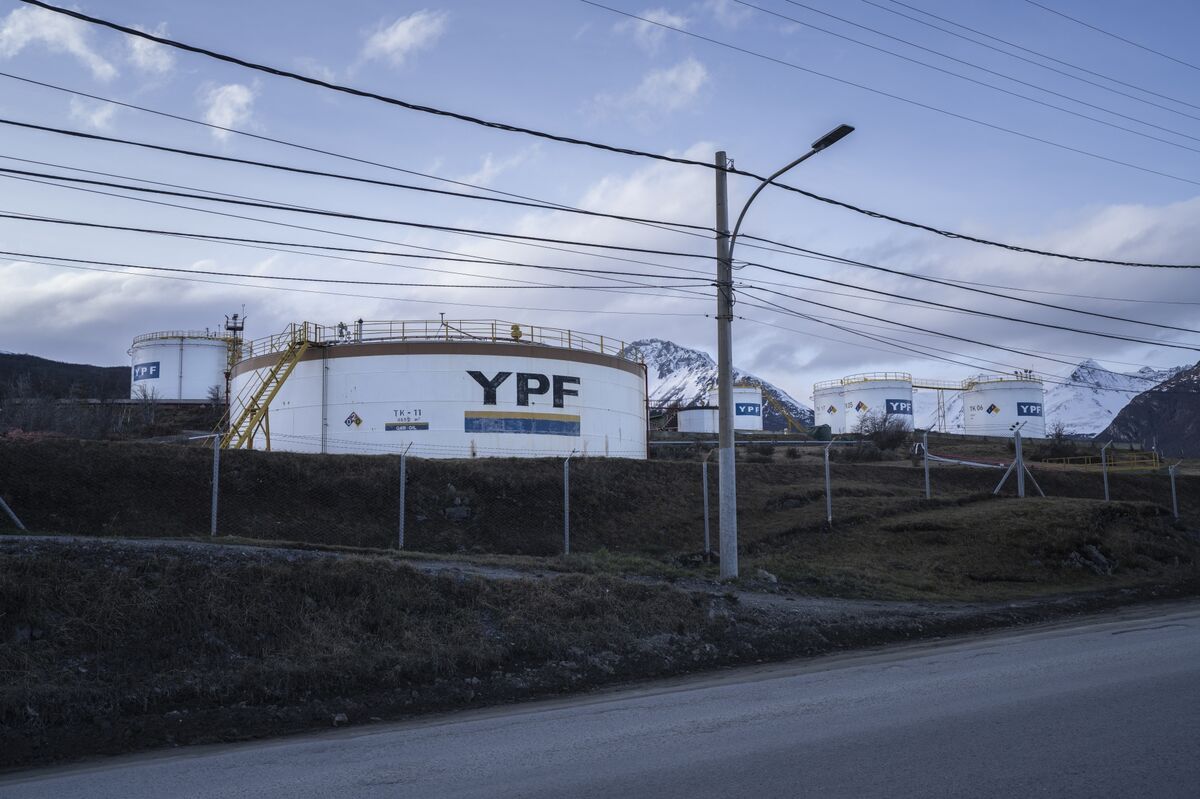

Argentina Unveils $25 Billion Oil Production Push in Major Economic Boost
In a landmark move aimed at revitalizing its energy sector, Argentina has unveiled a $25 billion investment plan to accelerate oil production, marking the largest economic initiative since President Javier Milei assumed office in December 2023. State-owned energy giant YPF SA announced the ambitious project on Tuesday, signaling a significant step forward in Argentina’s efforts to harness its vast natural resources and bolster its struggling economy. The announcement comes at a critical juncture for the South American nation, which has been grappling with soaring inflation, currency instability, and mounting debt pressures.
The multi-billion-dollar initiative is set to focus on the prolific Vaca Muerta shale formation, one of the largest unconventional hydrocarbon reserves in the world. Located in the Neuquén Basin in western Argentina, Vaca Muerta has long been heralded as a potential game-changer for the country’s energy independence and economic prosperity. However, persistent infrastructure challenges, regulatory hurdles, and fluctuating global oil prices have hindered its full-scale development. The new investment aims to address these barriers, unlocking the region’s untapped potential and positioning Argentina as a major player in the global energy market.
A Strategic Move Amid Economic Turmoil
President Milei, a self-described libertarian economist, has made economic reform the cornerstone of his administration. Since taking office, his government has implemented a series of austerity measures, including steep cuts to public spending and the devaluation of the peso, in an effort to stabilize the economy. The YPF investment aligns with Milei’s broader vision of fostering private-sector growth and attracting foreign capital to drive economic recovery.
“This project is a testament to Argentina’s commitment to becoming a global energy leader,” said Milei during a press conference. “By leveraging our natural resources and creating a favorable environment for investment, we are paving the way for sustainable growth and job creation.” The $25 billion injection is expected to generate thousands of jobs, both directly and indirectly, providing much-needed relief to Argentina’s labor market, where unemployment remains stubbornly high.
The Potential of Vaca Muerta
Vaca Muerta, which translates to “Dead Cow” in Spanish, is anything but lifeless when it comes to its energy potential. Spanning approximately 30,000 square kilometers, the formation holds an estimated 16 billion barrels of oil and 308 trillion cubic feet of natural gas, according to the U.S. Energy Information Administration. These reserves place Argentina among the top global holders of shale resources, alongside the United States and China.
Despite its promise, Vaca Muerta’s development has been hampered by logistical and financial challenges. The region’s remote location and inadequate transportation infrastructure have made it difficult to efficiently extract and export resources. Additionally, Argentina’s history of economic instability has deterred foreign investors, who remain cautious about committing substantial funds to long-term projects.
The new investment aims to address these issues by financing the construction of pipelines, storage facilities, and other critical infrastructure. YPF, which operates as a majority state-owned company but trades publicly on the New York Stock Exchange, plans to partner with international energy firms and private investors to share the financial burden and technical expertise required for the project.
Global Implications and Market Reactions
Argentina’s push to ramp up oil production comes at a time of heightened geopolitical uncertainty and shifting energy dynamics. The ongoing conflict in Ukraine, coupled with OPEC+ production cuts, has kept global oil prices elevated, creating opportunities for non-traditional producers to expand their market share. Argentina’s move is likely to be welcomed by energy-hungry nations seeking to diversify their supply chains and reduce reliance on volatile regions.
Industry analysts have reacted positively to the announcement, noting that the initiative could significantly boost Argentina’s export revenues and strengthen its trade balance. “This is a bold and strategic move,” said Carlos Ponce, an energy analyst at the Buenos Aires-based research firm EconoLink. “If executed effectively, it could transform Argentina’s energy sector and provide a much-needed economic lifeline.”
However, critics have raised concerns about the environmental impact of intensified shale drilling, particularly in a region already grappling with water scarcity and ecological degradation. Environmental groups have called for stringent oversight and sustainable practices to mitigate the potential harm to local ecosystems and communities.
A Balancing Act for Milei’s Administration
The success of the YPF project will depend heavily on President Milei’s ability to navigate Argentina’s complex economic and political landscape. While his administration has garnered praise for its pro-business policies, it has also faced criticism for its austerity measures, which have disproportionately affected low-income households. Balancing the need for fiscal discipline with social equity remains a delicate challenge for the Milei government.
Moreover, the project’s long-term viability will hinge on global market conditions and Argentina’s capacity to attract sustained investment. Fluctuating oil prices, geopolitical tensions, and evolving energy trends could all influence the outcome of this initiative.
A Path Forward
Argentina’s $25 billion oil production push represents a bold attempt to harness the country’s natural resources and steer its economy toward recovery. By focusing on Vaca Muerta, the government aims to unlock a wealth of opportunities that could reshape Argentina’s energy landscape and bolster its global standing.
However, the road ahead is fraught with challenges, from logistical hurdles to environmental concerns. As Argentina embarks on this ambitious journey, the world will be watching closely to see whether this investment marks the beginning of a new era of prosperity or serves as a cautionary tale of unrealized potential. Only time will tell if Argentina can turn its energy dreams into a sustainable reality.
