



Senior Hamas Commander Killed in Gaza as Conflict Escalates: Global Implications
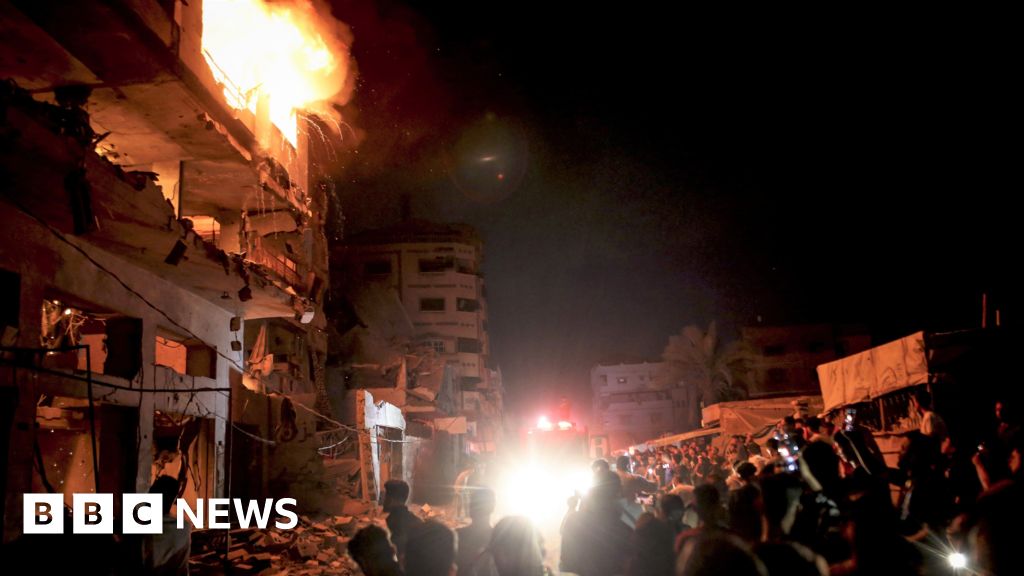
Gaza City – Smoke still lingers over the shattered streets of Gaza City after an Israeli airstrike eliminated one of Hamas’s most senior commanders, Izz ad-Din al-Haddad, a man Israel describes as “one of the architects of the October 7 massacre.” The targeted killing marks a significant escalation in the ongoing conflict, raising fears of further retaliation and regional instability. As global powers scramble to prevent a wider war, the death of such a high-ranking militant underscores the deepening crisis in the Middle East—one with far-reaching consequences for international security, diplomacy, and civilian lives.
Who Was Izz ad-Din al-Haddad?
Izz ad-Din al-Haddad was a key figure within Hamas’s military wing, the Izz ad-Din al-Qassam Brigades. Israeli intelligence alleges he played a central role in planning the October 7 attacks, which saw Hamas militants breach Israel’s heavily fortified border, killing approximately 1,200 people and taking over 250 hostages. The assault, the deadliest in Israel’s history, triggered the current war in Gaza, now entering its ninth month with no clear end in sight.
Hamas has not yet officially confirmed al-Haddad’s death, but if verified, his elimination would represent a major blow to the group’s leadership structure. Israel has systematically targeted Hamas commanders since the war began, viewing their neutralization as critical to dismantling the organization’s operational capabilities.
The Broader Conflict: Regional and Global Repercussions
The war in Gaza has already spilled beyond its borders, with Hezbollah in Lebanon and Houthi rebels in Yemen launching attacks in solidarity with Hamas. The U.S. and European allies have increased military presence in the region, intercepting missiles and drones while attempting to broker ceasefires—efforts that have so far yielded little progress.
The killing of a senior Hamas leader risks further inflaming tensions. Iran, Hamas’s primary backer, has repeatedly warned of severe consequences if Israel continues its campaign. Meanwhile, the U.S. remains caught between supporting its ally Israel and managing growing international condemnation over the staggering civilian death toll in Gaza, which has surpassed 37,000, according to local health authorities.
Why This Strike Matters
Targeted assassinations of high-profile militants are not new in this conflict, but each one carries strategic weight. Al-Haddad’s death could disrupt Hamas’s command chain, potentially weakening its ability to coordinate attacks. However, history suggests that such strikes often lead to immediate retaliation, prolonging the cycle of violence.
Globally, the strike reinforces concerns that the conflict could escalate into a full-scale regional war, dragging in Iran and its proxies. Oil markets remain jittery, with fears that a wider war could disrupt critical shipping routes in the Red Sea, where Houthi attacks have already forced reroutes, increasing costs for global trade.
For Israel, the operation serves a dual purpose: eliminating a key threat while signaling resolve to its domestic audience. Prime Minister Benjamin Netanyahu faces mounting pressure both from families of hostages demanding a deal and from hardliners pushing for a total military victory.
Human Cost and Diplomatic Stalemate
As fighting intensifies, Gaza’s humanitarian crisis worsens. The UN warns of famine-like conditions, with aid deliveries severely hampered by ongoing hostilities. Ceasefire negotiations mediated by Egypt and Qatar have repeatedly stalled, with Hamas demanding a permanent end to the war and Israel refusing to halt operations without guarantees of the group’s disarmament.
The international community remains deeply divided. While Western nations emphasize Israel’s right to self-defense, Global South leaders accuse Israel of disproportionate force and possible war crimes. The International Criminal Court’s recent request for arrest warrants against both Hamas and Israeli officials underscores the legal and moral complexities of the conflict.
What Comes Next?
In the short term, retaliation from Hamas or allied groups is likely. Past strikes on senior leaders have been met with rocket barrages or attacks on Israeli forces. The longer-term implications depend on whether Israel can leverage this operation to force Hamas into concessions—or if it only hardens the group’s resistance.
Beyond Gaza, the strike could influence U.S. and European policy. With elections looming in the U.S. and EU, leaders must balance domestic political pressures against the risk of further destabilizing the Middle East. For civilians in Gaza and southern Israel, however, the immediate reality remains one of fear, displacement, and survival.
A Conflict With No Easy End
The death of Izz ad-Din al-Haddad is more than another casualty in a long war—it is a stark reminder of how deeply entrenched this conflict has become. With neither side willing to back down and global powers struggling to mediate, the path to peace seems increasingly distant. For now, the world watches as Gaza burns, hostages remain in captivity, and the specter of a wider war looms ever larger. The question is no longer just about who wins on the battlefield, but whether diplomacy can prevail before the violence spirals beyond control.
