


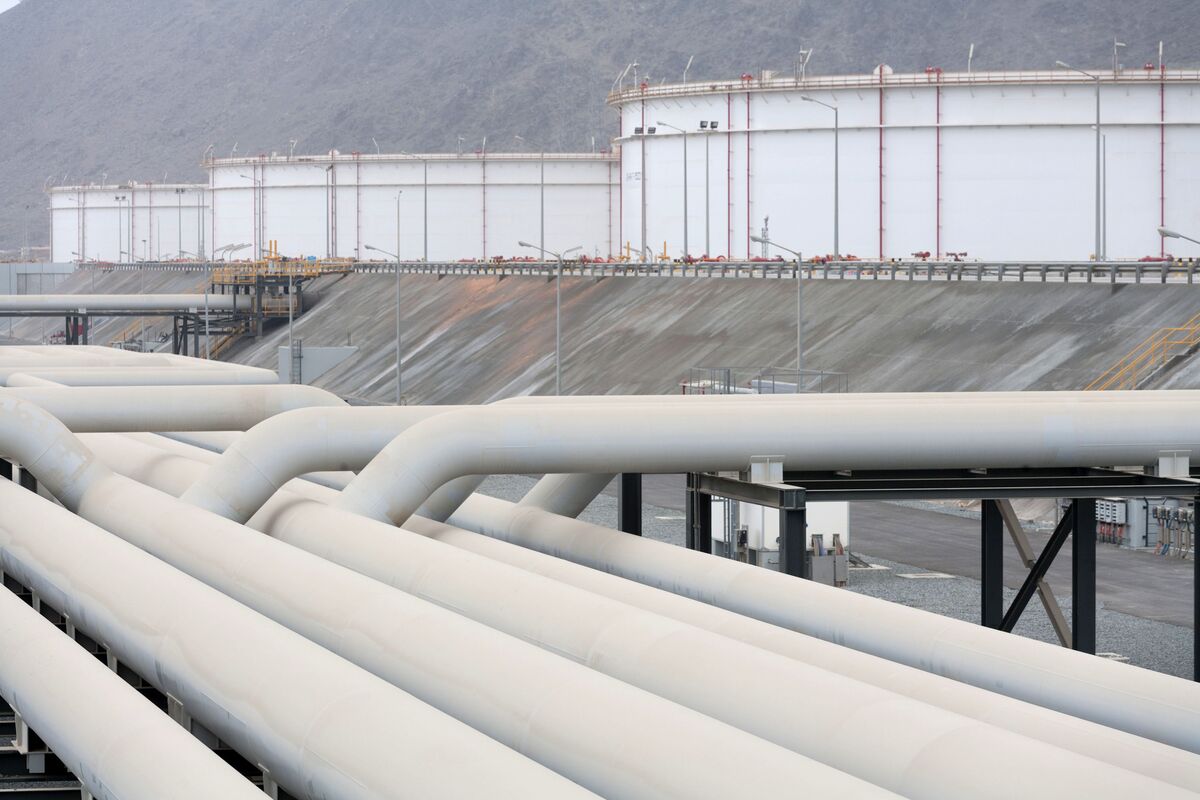

UAE Announces Major Pipeline Project to Bypass Strait of Hormuz, Bolstering Energy Security
By [Author Name]
In a strategic move to enhance its energy security and reduce reliance on one of the world’s most critical maritime chokepoints, the United Arab Emirates (UAE) has unveiled plans to construct a new pipeline that will bypass the Strait of Hormuz. Slated for completion by 2027, the project underscores the UAE’s determination to safeguard its oil exports amid rising geopolitical tensions in the Gulf region. The announcement, made by UAE officials earlier this week, has drawn global attention as it could reshape the flow of energy resources and influence regional power dynamics.
The Strait of Hormuz, a narrow waterway separating the Arabian Gulf from the Arabian Sea, is a lifeline for global energy markets. Approximately one-fifth of the world’s oil supply—accounting for around 21 million barrels per day—passes through this strategic channel. For the UAE, which ranks among the world’s top oil producers, reliance on this route has long been a vulnerability. The strait has repeatedly been a flashpoint for conflicts, with Iran—which controls the waterway’s northern coastline—occasionally threatening to disrupt shipping in response to international pressures or escalations in regional rivalries. Most recently, tensions between Iran and Western powers over nuclear negotiations have heightened concerns about potential disruptions to oil flows.
Against this backdrop, UAE officials confirmed that the new pipeline will transport crude oil and petroleum products from Abu Dhabi’s onshore oilfields to Fujairah, an emirate located on the Gulf of Oman, bypassing the Strait of Hormuz entirely. Fujairah, already home to one of the UAE’s key oil export terminals, will serve as a strategic hub for the project. The pipeline is expected to have a capacity of 2 million barrels per day—nearly half of the UAE’s current oil production—ensuring a significant portion of its exports can continue uninterrupted even if Hormuz is blocked.
A Strategic Response to Geopolitical Risks
The UAE’s decision to invest in this infrastructure project reflects a broader trend among Gulf nations to mitigate risks posed by regional instability. The Strait of Hormuz has been a focal point of tension for decades, with Iran and Western powers frequently at odds over sanctions, nuclear proliferation, and maritime security. In 2019, Iran’s seizure of a British-flagged tanker and attacks on commercial vessels in the Gulf underscored the strait’s vulnerability.
“This pipeline is not just an economic investment; it’s a strategic necessity,” said Dr. Ellen Wald, a senior fellow at the Atlantic Council specializing in energy geopolitics. “The UAE is sending a clear message that it will not be held hostage by regional conflicts. By diversifying its export routes, it is ensuring stability for its economy and its global trading partners.”
The UAE is not alone in seeking alternatives to Hormuz. Saudi Arabia and Qatar have also undertaken measures to reduce their dependence on the strait, with Saudi Arabia constructing pipelines to its Red Sea coast and Qatar expanding its liquefied natural gas (LNG) export facilities. However, the UAE’s project is particularly ambitious given its scale and timeline, with officials aiming to complete construction within five years.
Economic Implications and Global Impact
The pipeline’s completion could have far-reaching implications for global energy markets. By securing an alternative route for its exports, the UAE would be better positioned to maintain its oil supply in the event of a crisis, potentially stabilizing prices and reducing market volatility. For importing countries, particularly those in Asia and Europe, this could provide greater confidence in the security of their energy supplies.
“This project underscores the UAE’s role as a reliable energy partner on the global stage,” said energy analyst Robin Mills, CEO of Qamar Energy. “It’s a proactive step that benefits not just the UAE but the entire global economy.”
However, the pipeline also raises questions about its potential impact on regional dynamics. While it reduces the UAE’s vulnerability to Hormuz-related disruptions, it could also diminish Iran’s leverage in the Gulf. Iran has long used its control of the strait as a bargaining chip in negotiations with Western powers, and any reduction in its strategic importance could alter the balance of power in the region.
Challenges and Considerations
Despite its strategic benefits, the pipeline project faces significant challenges. Construction of such a large-scale infrastructure project in a region prone to geopolitical instability will require substantial investment and technical expertise. Environmental concerns, particularly regarding the potential impact on marine ecosystems and coastal communities, are also likely to arise. Additionally, the UAE will need to ensure the pipeline’s security, given the potential for sabotage or attacks in a volatile region.
Moreover, while the pipeline provides an alternative route for the UAE, it does not eliminate the country’s reliance on the Strait of Hormuz entirely. A significant portion of its oil exports will still need to pass through the waterway, meaning the strait’s geopolitical importance will remain intact.
A Balancing Act for the UAE
The UAE’s decision to pursue this project reflects a delicate balancing act. On one hand, it seeks to protect its economic interests and maintain its status as a global energy powerhouse. On the other, it must navigate the complex geopolitical landscape of the Gulf, where tensions between Iran and its neighbors—and their international allies—continue to simmer.
As the UAE moves forward with its plans, it will be closely watched by policymakers, energy analysts, and global markets. The success of the project could serve as a model for other Gulf nations seeking to bolster their energy security, while its implications for regional stability will be a topic of debate for years to come.
In a Gulf region fraught with uncertainty, the UAE’s pipeline project represents both a bold step toward independence and a reminder of the enduring complexities of global energy politics. As the world transitions to cleaner energy sources, initiatives like this highlight the ongoing importance of securing traditional energy supplies—even in the most volatile corners of the globe.
