


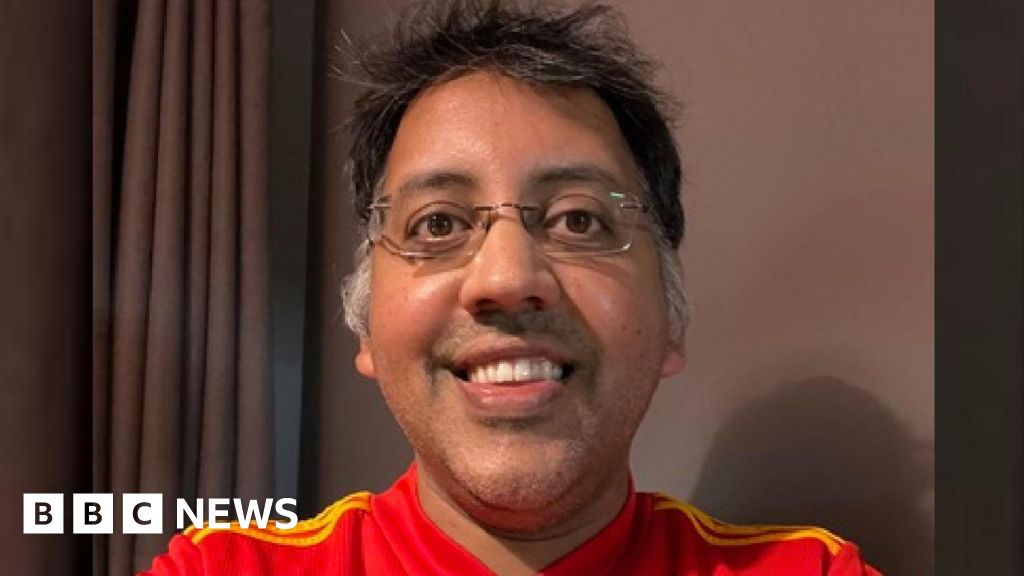

Plaid Cymru Stands By Candidate After Controversial Israel Remarks
Plaid Cymru, the Welsh nationalist political party, has confirmed that a university lecturer who referred to Israel as a “terrorist state” will remain as a candidate in upcoming elections. The decision has ignited a heated debate over free speech, political accountability, and the contentious geopolitics of the Middle East.
The lecturer, Dr. Rhys Morgan, a prominent academic at Swansea University, made the remarks during a public panel discussion on international relations last week. His comments, which accused Israel of committing acts of state terrorism, were swiftly condemned by several advocacy groups and political opponents, who called for Plaid Cymru to withdraw his candidacy. However, the party has firmly defended Dr. Morgan, citing his right to express his views and emphasizing his commitment to representing his constituency.
In a statement, Plaid Cymru spokesperson Gwennan Jones said, “While we do not necessarily endorse the specific language used by Dr. Morgan, we believe in the importance of robust debate and the right of individuals to voice their opinions. Dr. Morgan is a passionate advocate for human rights, and his candidacy reflects the diversity of thought within our party.”
The controversy has thrust Plaid Cymru into the national spotlight at a critical moment, as the party seeks to strengthen its influence in Welsh politics. With elections on the horizon, the decision to stand by Dr. Morgan has drawn both praise and criticism, underscoring the delicate balance political parties must strike between upholding principles and managing public perception.
Context and Broader Implications
Dr. Morgan’s remarks come amid escalating tensions in the Middle East, where the Israeli-Palestinian conflict remains a deeply polarizing issue. Israel has faced increasing scrutiny from international human rights organizations, with accusations of disproportionate use of force in Gaza and the expansion of settlements in the West Bank. At the same time, Israel remains a key ally for many Western nations, and accusations of state terrorism are often met with strong pushback from supporters of the Israeli government.
The backlash against Dr. Morgan’s comments highlights the challenges faced by politicians and public figures when addressing such contentious topics. Critics argue that his language was inflammatory and lacked nuance, potentially alienating voters and undermining efforts to foster constructive dialogue. However, supporters contend that his remarks reflect legitimate concerns about Israel’s policies and actions, and that stifling such criticism risks eroding democratic principles.
The controversy also raises questions about the boundaries of acceptable discourse in political campaigns. While freedom of speech is a cornerstone of democracy, political candidates are often held to higher standards of accountability, given their potential influence on public policy and national discourse.
Reactions and Political Fallout
The decision to retain Dr. Morgan as a candidate has elicited mixed reactions from across the political spectrum. Pro-Palestinian advocacy groups have applauded Plaid Cymru for standing by him, framing the move as a bold stance against what they describe as Israel’s human rights violations. Meanwhile, pro-Israel organizations and some opposition parties have condemned the party, accusing it of tolerating hate speech and undermining efforts to combat antisemitism.
Welsh Conservative leader David Evans described the situation as “deeply troubling,” stating that Dr. Morgan’s comments were “unacceptable for someone seeking public office.” In contrast, Labour MP Sarah Hughes urged caution, noting that while Dr. Morgan’s language was divisive, it was important to distinguish between criticism of Israel’s government and broader antisemitic rhetoric.
Jewish community leaders have expressed concern over the potential normalization of inflammatory rhetoric about Israel, warning that such language can contribute to a hostile environment for Jewish individuals and communities.
Looking Ahead
The controversy surrounding Dr. Morgan’s candidacy is unlikely to dissipate quickly, as the issue touches on deeply held beliefs about free speech, political accountability, and the Israeli-Palestinian conflict. For Plaid Cymru, the decision to back Dr. Morgan could bolster its standing among voters who prioritize human rights and social justice, but it also risks alienating moderates and those who view his remarks as extreme.
As the election campaign progresses, the party will likely face intensified scrutiny over its stance on international issues and its handling of internal dissent. The incident also underscores the broader challenge faced by political parties in navigating the complexities of global conflicts while maintaining unity and appealing to a diverse electorate.
Ultimately, the fallout from this controversy may serve as a litmus test for the limits of political discourse in Wales and beyond, shaping the way future candidates and parties approach contentious issues on the global stage.
