


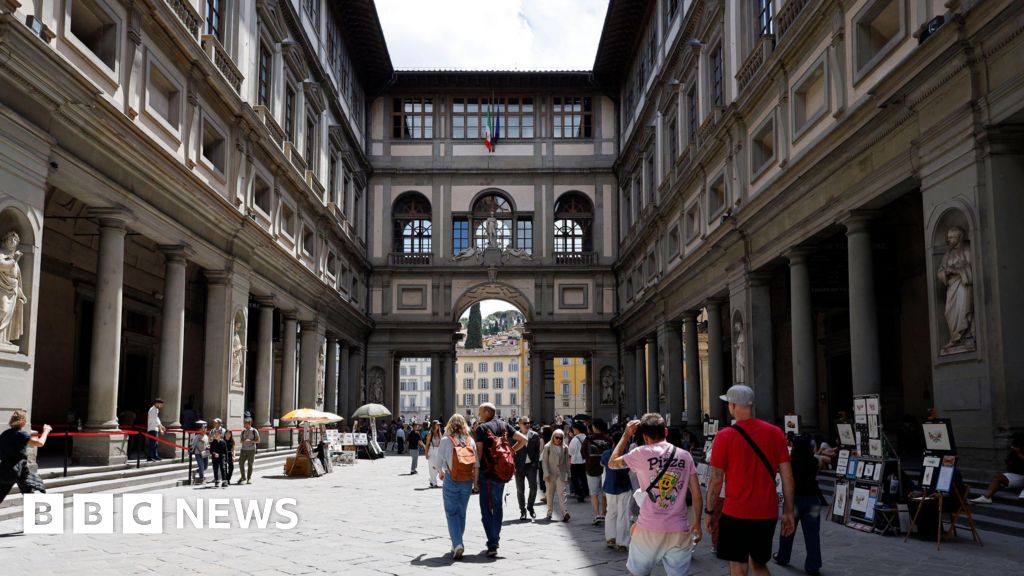

Global Art World on Edge as Hackers Target Prestigious Gallery Amid Rising Cyber Threats
In a chilling reminder of the escalating global cyber warfare landscape, hackers have infiltrated the IT systems of one of the world’s most prestigious art galleries, sparking fears of a potential breach of priceless cultural treasures. While the gallery has assured the public that its artworks remain secure, the incident underscores the growing vulnerability of critical institutions to sophisticated cyberattacks. This breach is not just a local incident but a stark warning to governments, corporations, and cultural institutions worldwide as cyber threats continue to evolve in complexity and scale.
The Breach: What We Know So Far
The attack was first detected earlier this week when IT personnel at the gallery noticed unusual activity within their systems. While the exact nature of the breach remains under investigation, initial reports suggest that the hackers gained unauthorized access to administrative and operational networks.
The gallery, which houses some of the most renowned artworks in history, has been quick to reassure the public that its physical collection remains untouched and secure. “Our artworks are protected by advanced security measures, both physical and digital,” a spokesperson stated. “There is no evidence to suggest that any of our pieces have been compromised.”
However, the incident has raised concerns about the potential theft of sensitive data, including donor information, financial records, and logistical details about the gallery’s operations. Cybersecurity experts warn that such breaches can have far-reaching consequences, even if the physical artifacts remain unharmed.
Global Context: Why Cyberattacks on Cultural Institutions Matter
This incident is not an isolated event but part of a broader trend of cyberattacks targeting cultural and institutional landmarks. Over the past decade, museums, galleries, and libraries have increasingly become targets for hackers seeking to exploit vulnerabilities in their digital infrastructure.
In 2017, the infamous WannaCry ransomware attack crippled systems across 150 countries, including those at the National Health Service in the UK. While cultural institutions were not the primary targets, the incident highlighted the potential for widespread disruption. More recently, in 2021, the Colonial Pipeline ransomware attack in the United States demonstrated how critical infrastructure, both physical and digital, remains at risk.
Cultural institutions, often operating on limited budgets, are particularly vulnerable. Many rely on legacy systems that may not be equipped to handle modern cyber threats. Moreover, the value of the data they hold—ranging from intellectual property to donor information—makes them attractive targets for cybercriminals.
Why This Breach Matters Globally
The implications of this attack extend far beyond the gallery’s walls. First, it highlights the growing sophistication of cybercriminals, who are increasingly targeting non-traditional sectors such as art and culture. Second, it raises questions about the adequacy of cybersecurity measures in institutions that play a critical role in preserving global heritage.
In an era where cyber warfare is becoming a dominant form of conflict, the breach serves as a reminder that no sector is immune. Governments, corporations, and cultural institutions must collaborate to strengthen defenses against an ever-evolving threat landscape.
Furthermore, the incident underscores the need for global cooperation in cybersecurity. Cyber threats are borderless, and a breach in one country can have ripple effects across continents. As nations grapple with the challenges of digital warfare, incidents like this reinforce the urgency of developing robust international frameworks to combat cybercrime.
The Human Element: A Call to Action
Behind the headlines lie the stories of the individuals who dedicate their lives to preserving cultural heritage. For curators, conservators, and staff at the gallery, the breach is not just a technical issue but a deeply personal one. Their work is driven by a passion for safeguarding art for future generations, and incidents like this threaten their mission.
Cybersecurity experts emphasize the importance of educating staff about digital threats. “Human error remains one of the most common vectors for cyberattacks,” says Dr. Elena Martinez, a leading cybersecurity analyst. “Training employees to recognize phishing attempts and other threats is crucial in preventing breaches.”
Conclusion: A Wake-Up Call for the World
The hacking incident at the prestigious gallery is a stark reminder of the vulnerabilities that exist in our increasingly digital world. While the artworks may remain safe for now, the breach serves as a wake-up call for institutions worldwide to prioritize cybersecurity.
As nations navigate the complexities of cyber warfare, cultural institutions must not be overlooked. Their role in preserving humanity’s shared heritage is invaluable, and protecting them from digital threats is a collective responsibility.
In the words of a cybersecurity expert, “The next world war may not be fought on battlefields but in cyberspace.” The breach at this gallery is not just an isolated incident but a harbinger of the challenges ahead. The world must act now to safeguard its cultural treasures—and its future—from the growing menace of cybercrime.
End of Report
