


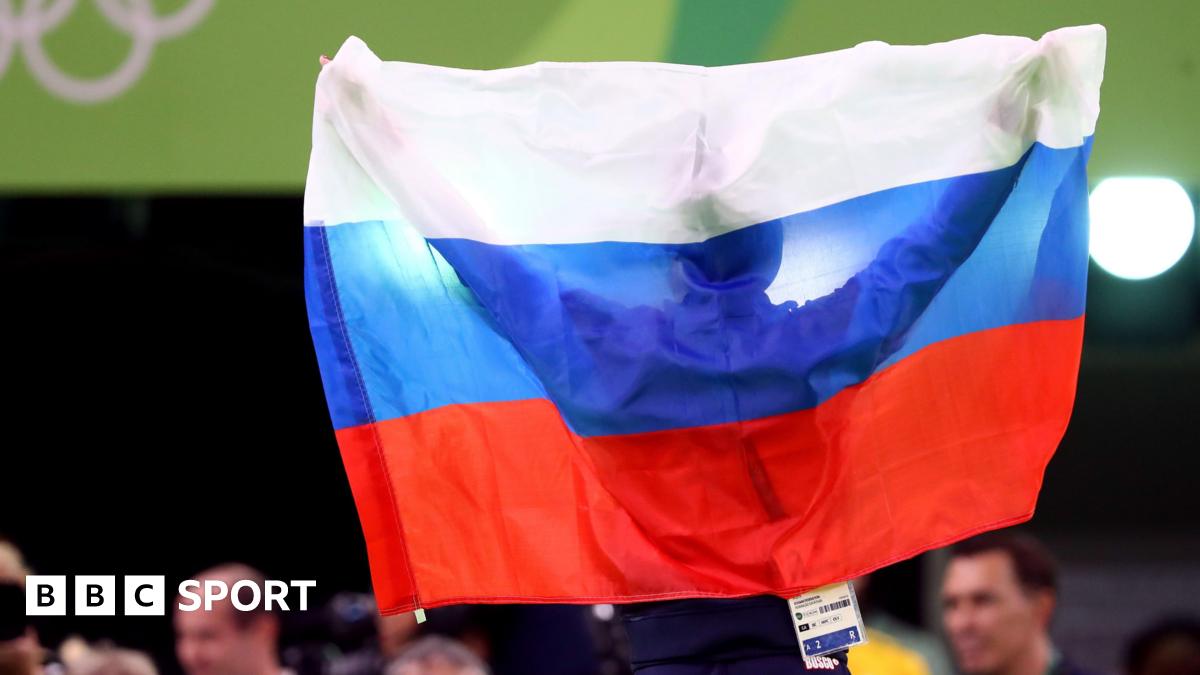

Global Fallout from Russia’s Doping Scandal: A Story of Deception, Redemption, and Ongoing Tensions
The world of international sport was rocked in 2015 when evidence emerged of a state-sponsored doping program in Russia, a scandal that exposed a web of deceit stretching from the Kremlin to the Olympic podium. What followed was a saga of investigations, bans, and geopolitical tensions that transcended the realm of athletics, casting a long shadow over the integrity of global competition. Nearly a decade later, the repercussions of this scandal continue to reverberate, intertwining with the broader geopolitical fallout of Russia’s invasion of Ukraine. This is not just a story about sport—it is a tale of power, accountability, and the relentless pursuit of fairness in an increasingly fractured world.
The Unfolding of the Scandal
In 2015, the World Anti-Doping Agency (WADA) unveiled damning evidence of a systemic doping program orchestrated by Russian authorities. The revelations implicated athletes, coaches, and government officials, leading to the suspension of the Russian Anti-Doping Agency (Rusada) for non-compliance with international anti-doping standards. The findings sent shockwaves through the global sports community, tarnishing Russia’s reputation and calling into question the legitimacy of its medal-winning performances in international competitions.
The scandal reached its zenith in 2019 when Russia was handed a four-year ban from all major sporting events, including the Olympics and World Championships. This unprecedented punishment was triggered by WADA’s discovery that critical data retrieved from a Moscow laboratory had been manipulated, further cementing suspicions of state complicity in the doping scheme.
A Controversial Path to Compliance
In a move that sparked heated debate, WADA’s executive committee voted in September 2018 to reinstate Rusada, albeit under strict conditions. Critics slammed the decision as a betrayal of clean athletes, with some branding it “the greatest treachery in Olympic history.” However, WADA defended its actions, arguing that reinstatement was a strategic maneuver to gain access to crucial evidence stored in the Moscow laboratory.
The gamble paid off. Between January and April 2019, WADA secured 24 terabytes of data from the lab, a treasure trove of information that proved instrumental in prosecuting doping cases. “The decision to reinstate Rusada was made precisely to get to the truth,” said WADA President Witold Banka. “Without it, we would never have obtained the evidence needed to ensure fairness for athletes worldwide.”
Global Implications: Beyond Sport
The Russian doping scandal is emblematic of broader issues plaguing international relations and governance. It underscores the challenges of holding powerful nations accountable in an era of geopolitical rivalry. The scandal also highlights the intricate interplay between sport and politics, with Russia’s actions on the global stage—both in and out of the arena—shaping its treatment by international bodies.
The situation took on new dimensions in 2022 when Russia’s invasion of Ukraine prompted widespread sanctions, including bans on Russian athletes from participating in international competitions. While some sports organizations have begun to allow Russian competitors to return under their national flag, the ongoing war has ensured that Russia remains a pariah in many international contexts.
Why It Matters
The Russian doping saga is more than just a cautionary tale about cheating in sports. It is a microcosm of the broader struggles for transparency, accountability, and fairness in a world increasingly divided by power politics. The scandal has forced global institutions to confront difficult questions about how to balance diplomacy with justice, and how to navigate the complex intersection of sport and geopolitics.
For athletes, the case serves as a reminder of the importance of integrity in competition. For policymakers, it highlights the need for robust mechanisms to hold nations accountable for systemic wrongdoing. And for the international community, it underscores the enduring challenge of fostering cooperation in an era of fragmentation.
The Road Ahead
As Russia’s doping ban officially ended in 2023, the country’s athletes remain entangled in the fallout from the Ukraine war. Some international sporting bodies have begun to readmit Russian competitors, but the broader landscape remains fraught with tension. The question now is whether Russia can rebuild its credibility in the world of sport—and whether the global community can move forward without sacrificing the principles of fairness and integrity.
The Russian doping scandal is a story of deception and redemption, of justice sought and justice served. But it is also a reminder that the pursuit of fairness is never simple, especially in a world where power and politics often collide with the ideals of sport. As the dust settles on this tumultuous chapter, one thing is clear: the stakes extend far beyond the podium, shaping the future of international competition and cooperation in profound and lasting ways.
