


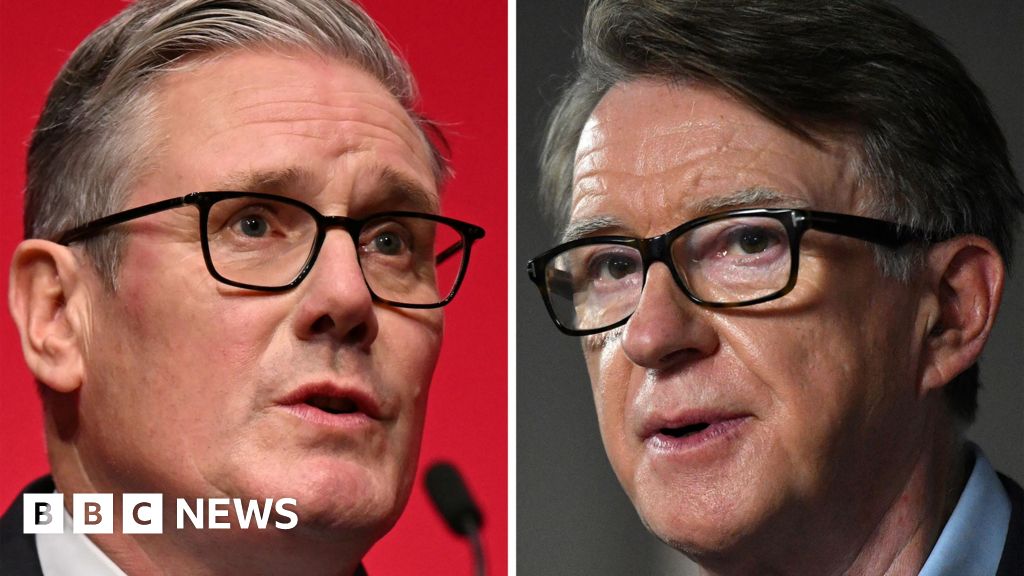

Prime Minister Expresses Fury Over Mishandling of Lord Mandelson’s Vetting Process
The British Prime Minister is said to be incensed over the botched handling of Lord Mandelson’s security vetting process, sparking tensions within the government and raising questions about procedural integrity at the highest levels.
The controversy centers on revelations that the vetting process for Lord Mandelson, a prominent political figure and former Cabinet minister, was marred by irregularities and alleged oversights. Sources close to the Prime Minister confirm that the leader’s anger stems from concerns over potential risks to national security as well as the reputational damage inflicted on the government.
Lord Mandelson, a key architect of New Labour and a seasoned politician, has long been a polarizing figure in British politics. His return to public life in recent months had prompted a routine security vetting process, a standard procedure for individuals in sensitive positions. However, the process has reportedly been mishandled, with critical steps either overlooked or inadequately executed.
The Prime Minister’s frustration is understood to be directed at senior officials within the Cabinet Office and the security services responsible for overseeing the vetting. While the precise nature of the irregularities remains undisclosed, insiders suggest that the lapses could have exposed the government to significant vulnerabilities.
This development comes at a delicate time for the administration, which has been grappling with a series of internal crises and public scrutiny over its handling of security matters. The Prime Minister’s reaction underscores the high stakes involved in vetting processes, particularly for figures with extensive access to confidential information and influence over policy decisions.
Implications for Government Credibility
The mishandling of Lord Mandelson’s vetting has broader implications for the credibility of the UK’s security apparatus. Vetting processes are integral to ensuring that individuals entrusted with sensitive roles do not pose a risk to national security. Any perceived failure in this area can erode public trust and fuel criticism of the government’s competence.
Opposition leaders have seized on the issue, calling for a full investigation into the matter. Shadow Cabinet members argue that the mishap is emblematic of deeper systemic issues within the administration’s approach to security and governance.
“This is not just about one individual; it’s about the integrity of our national security processes,” said a senior opposition spokesperson. “The Prime Minister must take responsibility for these lapses and ensure transparency in addressing them.”
Context of Lord Mandelson’s Role
Lord Mandelson’s political career has been marked by both acclaim and controversy. As a close ally of former Prime Minister Tony Blair, he played a pivotal role in shaping Labour’s policies during the late 1990s and early 2000s. His influence extended beyond party lines, earning him the nickname “The Prince of Darkness” for his deft maneuvering in political circles.
In recent years, Mandelson has remained active in public discourse, advocating for centrist policies and engaging in international diplomacy. His return to a more prominent role within the government had been seen as a strategic move to bolster the administration’s policy agenda.
However, the vetting debacle has cast a shadow over his reemergence, raising questions about the thoroughness of the government’s oversight mechanisms. Critics argue that the incident highlights a broader pattern of complacency within the administration, particularly in matters of security and procedural rigor.
Calls for Accountability and Reform
The Prime Minister’s frustration has reportedly prompted an internal review of the vetting process, with senior officials tasked with identifying the root causes of the mishap and implementing corrective measures.
Meanwhile, calls for accountability are growing, with demands for a transparent inquiry into how the process failed and who bears responsibility. Transparency advocates argue that the government must demonstrate its commitment to upholding rigorous standards, particularly in light of ongoing threats to national security.
Security experts emphasize that vetting processes must be robust and consistent, especially for individuals with access to classified information. Any lapses, they warn, could have far-reaching consequences, including breaches of confidentiality and compromises of critical intelligence.
Future Implications
The fallout from this incident is likely to reverberate across the political landscape, influencing debates over governance and security in the coming months. The Prime Minister’s handling of the crisis will be closely watched, with implications for both the administration’s credibility and its ability to navigate future challenges.
For Lord Mandelson, the controversy threatens to overshadow his return to public life, potentially undermining his influence and complicating his role within the government.
As the investigation unfolds, the focus will remain on the government’s commitment to ensuring the integrity of its security processes. The Prime Minister’s response will be a critical test of leadership, shaping perceptions of the administration’s competence and resolve.
In a climate of escalating geopolitical tensions and evolving security threats, the stakes could not be higher. The mishandling of Lord Mandelson’s vetting serves as a stark reminder of the importance of vigilance and accountability in safeguarding national interests.
