



Iran’s Warning Over Strategic Strait Sparks Global Tensions
The specter of a new Middle East flashpoint looms as Iran asserts control over a vital maritime chokepoint, raising fears of disrupted trade, military escalation, and a fresh crisis in an already volatile region.
Iran Claims Authority Over Hormuz Strait
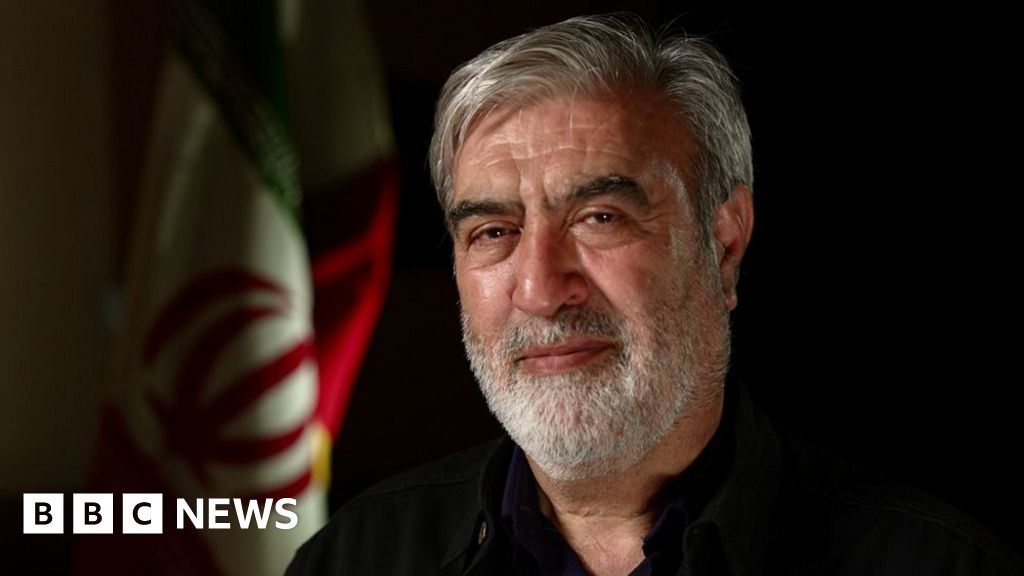
Ebrahim Azizi, a senior Iranian official, has declared that Tehran alone holds the power to regulate access to the Strait of Hormuz, a narrow passage through which 20% of the world’s oil supply flows. The statement, made in an interview with the BBC’s Lyse Doucet, signals Iran’s willingness to weaponize the strait amid rising tensions with the West.
“If necessary, Iran will decide the right of passage,” Azizi warned, framing the issue as a matter of national sovereignty. The remarks come as the U.S. and European nations tighten sanctions over Iran’s nuclear program, prompting fears of retaliatory measures that could destabilize global energy markets.
Why the Strait of Hormuz Matters
The 21-mile-wide strait is the only sea route connecting the Persian Gulf to open oceans, making it indispensable for oil exports from Saudi Arabia, Iraq, the UAE, and Kuwait. Any disruption—whether through blockades, military conflict, or heightened inspections—could send oil prices soaring, triggering economic shocks worldwide.
Past confrontations underscore the risks. In 2019, Iran seized a British-flagged tanker after the UK detained an Iranian vessel. The U.S. has repeatedly accused Tehran of harassing commercial ships, while Iran alleges Western “piracy” in its waters. With 30% of global seaborne crude passing through Hormuz, even minor incidents risk cascading consequences.
Global Reactions and Military Posturing
Washington has condemned Iran’s rhetoric, reiterating its commitment to “freedom of navigation” under international law. The U.S. Fifth Fleet, based in Bahrain, maintains a heavy presence near Hormuz, conducting joint patrols with allies. Meanwhile, the UK and EU have called for restraint, wary of another Middle East crisis diverting focus from Ukraine and China.
Regional players are also on edge. Saudi Arabia and Israel view Iran’s posture as part of a broader strategy to project dominance, while China—Iran’s largest oil customer—has urged dialogue, fearing supply disruptions could derail its economic recovery.
Historical Context: A Recurring Flashpoint
Iran has long leveraged Hormuz as geopolitical leverage. During the 1980s Iran-Iraq War, both nations attacked oil tankers in the “Tanker War.” More recently, Tehran threatened closures in response to U.S. sanctions under Trump and Biden. Each episode has reinforced the strait’s status as a tinderbox where local disputes ignite global crises.
Why This Escalation Is Different
Three factors heighten current risks:
- Stalled Nuclear Talks – Diplomacy has collapsed, leaving sanctions in place and Iran accelerating uranium enrichment.
- Proxy Conflicts – Iranian-backed groups (Houthis, Hezbollah) are attacking U.S. and Israeli interests, raising chances of miscalculation.
- Economic Pressure – With inflation soaring, Tehran may see Hormuz as a last-resort bargaining chip.
The Human and Economic Toll
Beyond geopolitics, disruptions could devastate ordinary citizens. Higher oil prices would inflate costs for fuel, food, and transport globally, hitting developing nations hardest. Insurance premiums for ships in the region—already up 10% since 2022—could skyrocket, further straining supply chains.
What Comes Next?
Experts outline three scenarios:
- De-escalation: Quiet diplomacy eases tensions, possibly via Oman-mediated talks.
- Controlled Crisis: Iran stages limited harassment of ships, testing Western resolve without full closure.
- Open Conflict: A major incident (e.g., tanker seizure) triggers military strikes, spiraling into regional war.
As the world watches, the Strait of Hormuz stands as both a lifeline and a tripwire—a reminder that in an interconnected world, local brinkmanship carries global consequences. With markets jittery and militaries on alert, the next move hinges on whether cooler heads can prevail.
