


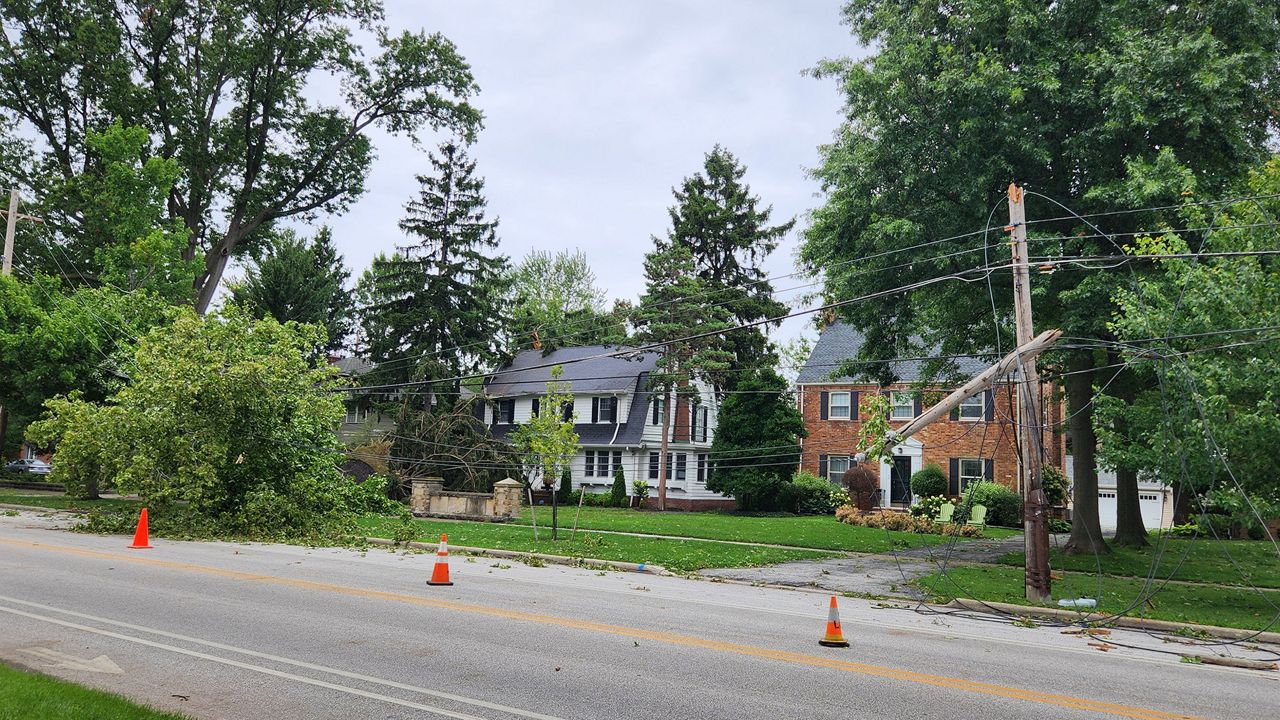

Smart Tree Planting: How to Avoid Power Outages and Keep Your Home Safe
GAHANNA, Ohio — Trees add beauty, shade, and value to any property, but without proper planning, they can also become a hazard—especially when they grow too close to power lines. As spring landscaping season begins, AEP Ohio is urging homeowners to think carefully before planting to prevent costly and dangerous disruptions.
The Hidden Risks of Poorly Placed Trees
While trees enhance curb appeal and provide environmental benefits, their roots and branches can interfere with both overhead and underground utility lines. Falling limbs during storms or unchecked root growth can knock out power, damage infrastructure, and even pose safety risks.
Dale Hopkins, AEP Ohio’s forestry support manager, emphasizes that planting a tree is a long-term decision. “Planning ahead can save you from unnecessary maintenance and prevent power outages for your whole neighborhood,” he said in a statement.
How Far Should Trees Be from Power Lines?
AEP Ohio’s forestry team has clear guidelines to help homeowners choose the right trees—and the right locations—to avoid future problems:
- Small trees (e.g., redbud, dogwood, crabapple) should be planted 10–25 feet from power lines.
- Medium trees (e.g., Washington hawthorn, golden rain tree) need 25–50 feet of clearance.
- Large trees (e.g., maple, oak, spruce, pine) require at least 50 feet of space.
Branch spread is just as important as height. Fast-growing species with brittle wood, like silver maples, are more likely to break in storms, increasing the risk of outages. Slower-growing trees, such as oaks and spruces, are sturdier and safer near utility lines.
Don’t Forget About Underground Lines
Before digging, homeowners should call 811 at least 48 hours in advance to have underground utility lines marked. Striking a buried power or gas line can lead to fines, injuries, or costly repairs.
AEP Ohio’s Proactive Approach
Since 2009, AEP Ohio has maintained a strict four-year trimming cycle across its 61-county service area. This proactive approach has slashed tree-related outages by 93%, keeping power flowing reliably to thousands of customers.
Final Tips for Homeowners
- Choose slow-growing, sturdy species to minimize storm damage.
- Keep branches at least 10 feet away from power lines.
- Call 811 before digging to avoid underground hazards.
By planting wisely, homeowners can enjoy the benefits of trees without risking safety or reliability.
— Reported by Nexio News
