



Kosovo Court Hands Down Life Sentences for 2023 Attack in Landmark Ruling
A Stark Reminder of Lingering Tensions in the Balkans
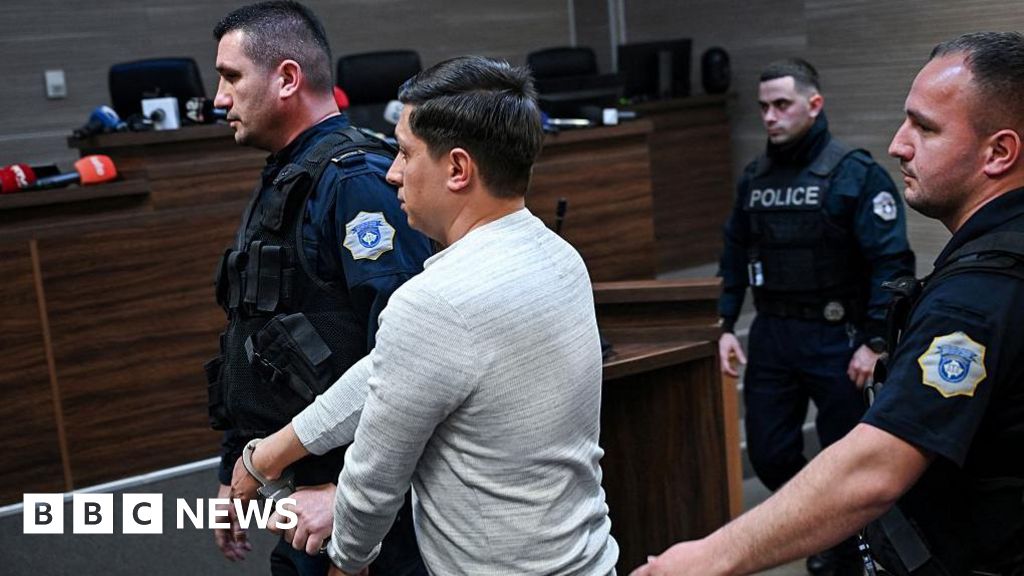
In a courtroom heavy with tension, Kosovo’s judiciary delivered a decisive blow against impunity, sentencing two men to life imprisonment and a third to 30 years behind bars for their roles in a deadly 2023 attack. The ruling marks a pivotal moment for Kosovo, a young nation still grappling with the scars of its violent past and simmering ethnic divisions. The case has drawn international attention, underscoring the fragile stability of the Western Balkans—a region where old grudges can still ignite new conflicts.
The Attack That Shook a Nation
The 2023 attack, which left multiple casualties, was a brutal escalation in a region where political violence remains a persistent threat. While the court did not disclose full details of the incident to protect witnesses, sources indicate it was a targeted assault linked to lingering ethnic hostilities. Kosovo, which declared independence from Serbia in 2008, has struggled to reconcile its majority Albanian population with a Serb minority that still views Belgrade as its rightful capital.
The convicted men—whose identities remain partially shielded due to security concerns—were found guilty of terrorism-related charges, including murder and attempted destabilization of constitutional order. Prosecutors argued that the attack was not an isolated crime but part of a broader effort to undermine Kosovo’s sovereignty.
Global Implications: Why This Case Matters
The verdict arrives at a critical juncture for Kosovo and the wider Balkans, a region often described as Europe’s “powder keg.” NATO peacekeepers still patrol Kosovo’s northern municipalities, where Serb-majority communities reject Pristina’s authority. Meanwhile, Serbia refuses to recognize Kosovo’s independence, and Moscow has exploited these divisions to counter Western influence in the region.
The case also highlights the broader challenge of combating extremism in post-conflict societies. Kosovo has faced accusations of being a breeding ground for radicalism, with some citizens joining foreign conflicts in Syria and Iraq. A strong judicial response to domestic terrorism sends a clear signal: Kosovo will not tolerate violence as a political tool.
Internationally, the ruling reinforces the importance of rule-of-law reforms in the Balkans—a key requirement for Kosovo’s aspirations to join the EU. Brussels has repeatedly warned that regional stability hinges on justice for war crimes and interethnic violence.
Mixed Reactions: Justice Served or Provocation?
While Kosovo’s government hailed the verdict as a victory for justice, reactions in Serbia were predictably critical. Serbian officials dismissed the trial as politically motivated, accusing Pristina of targeting Serbs under the guise of counterterrorism. Such rhetoric risks inflaming tensions, particularly in Kosovo’s divided north, where clashes between ethnic Serbs and Kosovo police have erupted repeatedly.
Human rights groups, meanwhile, have called for transparency, urging Kosovo’s judiciary to ensure fair trials amid heightened political sensitivities. The Balkan Investigative Reporting Network (BIRN) has documented concerns over witness intimidation and judicial bias in high-profile cases.
What Comes Next?
The sentences are unlikely to be the final word on the matter. Appeals are expected, and the case may yet reach the European Court of Human Rights. Meanwhile, Kosovo’s government faces the delicate task of balancing justice with reconciliation. Prime Minister Albin Kurti has pledged to pursue EU-mediated normalization talks with Serbia, but progress remains slow.
For now, the verdict stands as both a warning and a test. A warning to those who would use violence to disrupt Kosovo’s fragile peace, and a test of whether the region’s judicial systems can deliver impartial justice in an environment still rife with division.
A Defining Moment for Kosovo’s Future
As Kosovo continues its fraught journey toward full international recognition and EU integration, this case will be remembered as a defining moment. The court’s decision demonstrates a commitment to accountability, but lasting peace will require more than just punitive measures. It will demand dialogue, compromise, and an unwavering commitment to the rule of law—not just in Kosovo, but across the Balkans.
The world is watching. In a region where history weighs heavily on the present, justice must prevail—not only for the victims of this attack, but for the future stability of Europe’s most volatile corner.
