


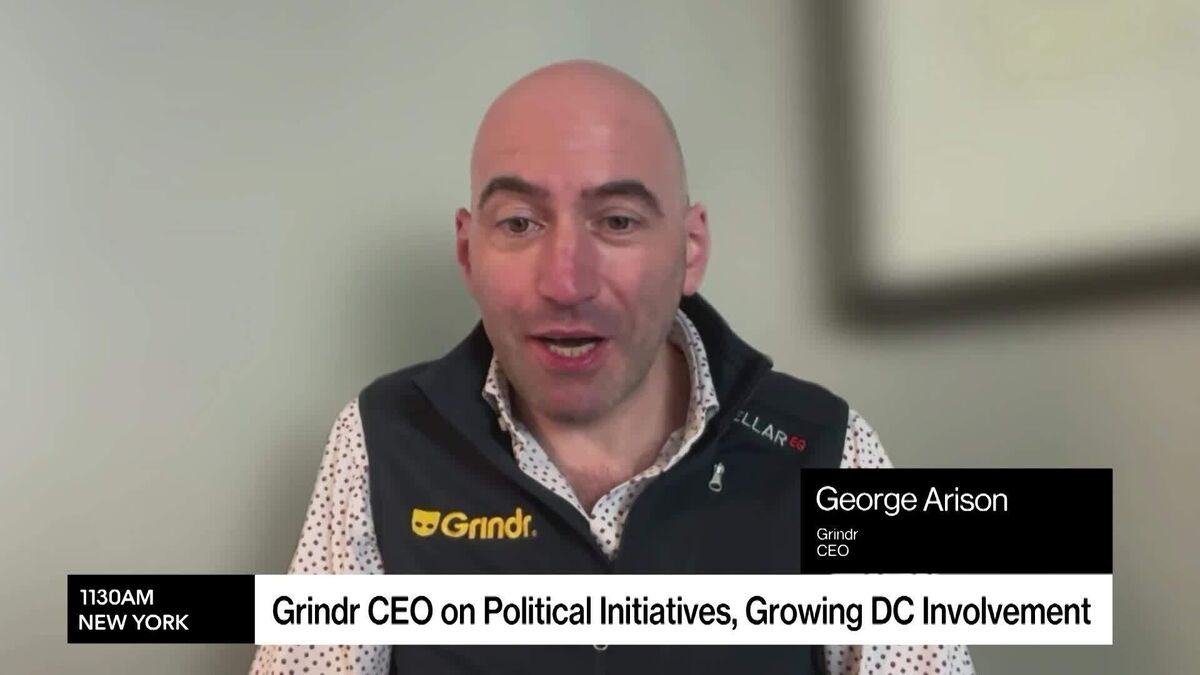

Grindr CEO George Arison on Politics, Health Advocacy, and AI in Dating
A Dating App Steps into the Political Spotlight
In a striking convergence of technology, politics, and public health, Grindr—the world’s largest LGBTQ+ dating platform—made its debut at Washington, D.C.’s elite White House Correspondents’ Dinner (WHCD) weekend. CEO George Arison, who took the helm in 2022, sat down with Bloomberg Businessweek Daily to discuss the app’s growing influence beyond dating, including its advocacy for HIV treatment, legislative engagement, and the integration of artificial intelligence (AI) into user experiences.
The WHCD, an annual gathering of journalists, politicians, and celebrities, has long been a nexus of media and power. Grindr’s inaugural presence at the event signals a strategic expansion beyond its core matchmaking function, positioning itself as a key player in LGBTQ+ health policy and digital innovation. Arison’s appearance underscores the company’s ambition to shape conversations around sexual health, privacy, and tech regulation—issues that increasingly intersect with government oversight.
From Hookups to Health Advocacy: Grindr’s Evolving Mission
Founded in 2009, Grindr revolutionized LGBTQ+ social networking by pioneering geolocation-based dating. Over the years, it has grown into a platform with over 13 million monthly active users worldwide. However, under Arison’s leadership, the company has broadened its scope, leveraging its vast user base to promote public health initiatives, particularly around HIV prevention and treatment.
“Our platform has always been about connection, but we recognize that connection extends beyond romance—it’s about community well-being,” Arison told Bloomberg. Grindr’s partnership with health organizations, including free HIV testing reminders and PrEP (pre-exposure prophylaxis) awareness campaigns, reflects this shift. The company has also ramped up lobbying efforts in Washington, advocating for policies that support LGBTQ+ healthcare access and digital privacy protections.
This political engagement comes at a critical time. With rising legislative threats to LGBTQ+ rights in the U.S. and abroad, Grindr’s presence in D.C. suggests a deliberate move to influence policy. “We have a responsibility to our users to ensure their rights and health are protected,” Arison emphasized.
AI and the Future of Digital Dating
Beyond advocacy, Grindr is investing heavily in AI-driven features to enhance user experience. Arison revealed plans for new premium subscription tiers that incorporate machine learning to improve matchmaking, safety, and content moderation.
“AI allows us to better detect harmful behavior, reduce spam, and even suggest more compatible matches based on user behavior,” he explained. The move aligns with broader industry trends—competitors like Tinder and Bumble have also integrated AI for profile verification and conversation prompts. However, Grindr faces unique challenges, given its user demographics and the heightened risks of discrimination and harassment faced by LGBTQ+ individuals in many regions.
Privacy concerns remain paramount. Grindr has faced scrutiny in the past over data-sharing practices, including a 2018 controversy involving the disclosure of users’ HIV status to third-party vendors. Arison assured that any AI deployment will prioritize user consent and security. “We’re not just building features; we’re building trust,” he said.
A Growing Influence in Washington
Grindr’s WHCD party wasn’t just a social event—it was a statement. By mingling with policymakers and journalists, the company is positioning itself as a stakeholder in debates over tech regulation, health equity, and LGBTQ+ rights.
Arison, a former tech entrepreneur with a background in logistics (he co-founded shipping startup Shift Technologies), brings a pragmatic approach to leadership. His focus on profitability—Grindr went public in 2022 via a SPAC merger—has not overshadowed the company’s social mission. “We can do well by doing good,” he asserted, pointing to the app’s health initiatives as both a moral imperative and a business opportunity.
Challenges Ahead
Despite its successes, Grindr faces hurdles. Regulatory pressures on dating apps are intensifying, with lawmakers in the U.S. and Europe scrutinizing data practices and algorithmic transparency. Meanwhile, competition in the LGBTQ+ dating space is heating up, with newer apps like Taimi and Lex gaining traction.
Internationally, Grindr must navigate censorship and persecution in countries where homosexuality is criminalized. The company has introduced features like discreet app icons and enhanced encryption, but Arison acknowledges that digital safety remains an ongoing battle.
Conclusion: A Platform with a Purpose
As Grindr steps further into the political and technological spotlight, its dual identity as a dating app and advocacy platform raises compelling questions. Can a company built on casual connections become a force for systemic change? Will AI enhance user experience without compromising privacy?
For now, Arison seems confident. “We’re more than just swipes and messages,” he said. “We’re a community, and we’re here to stay.” Whether Grindr’s ambitions translate into lasting impact remains to be seen—but its presence in Washington suggests it’s ready to try.
