


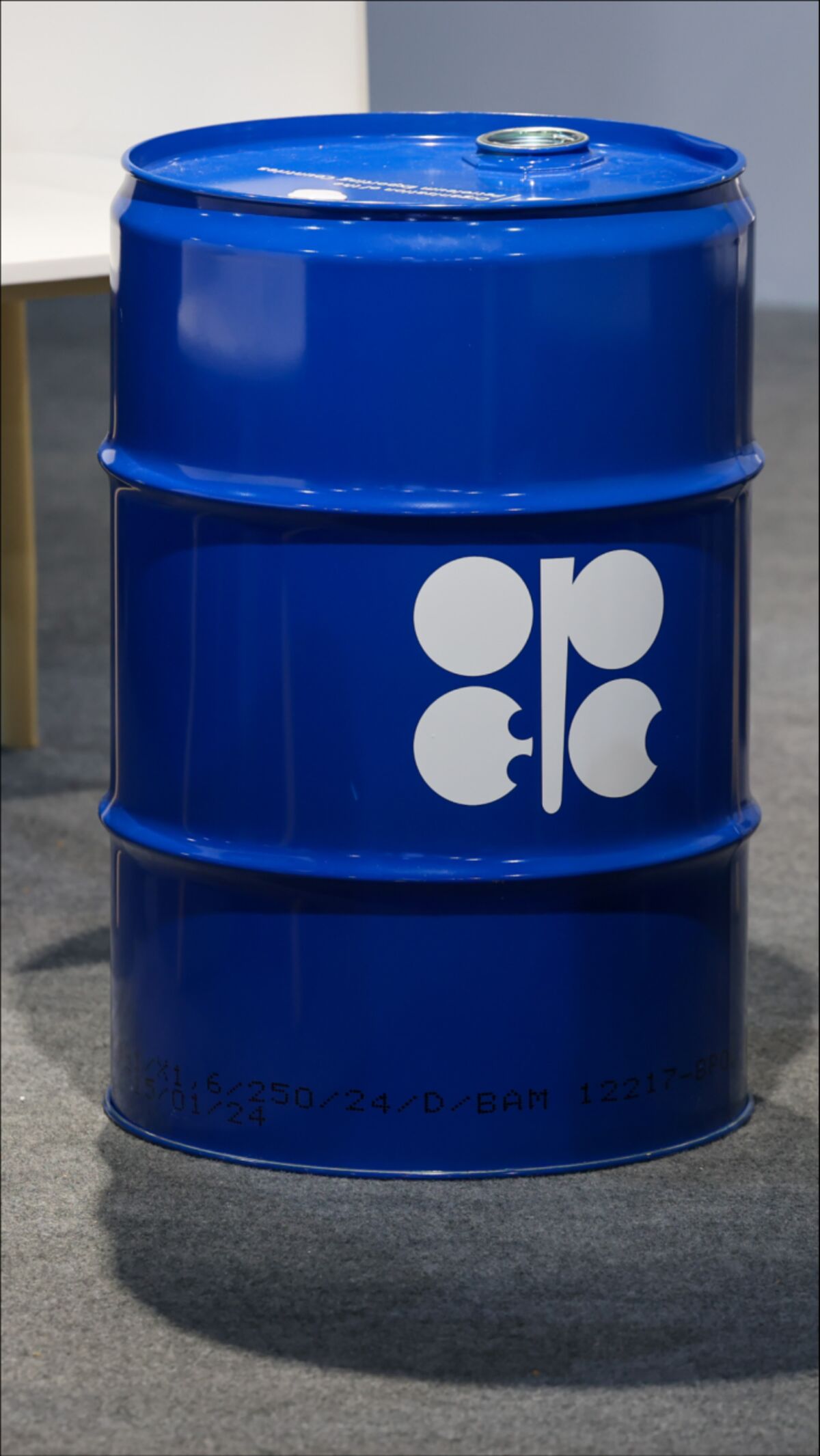

UAE Shocks Global Oil Markets with Sudden OPEC Exit, Straining Gulf Alliances
Dubai, UAE – In a move that has sent shockwaves through global energy markets, the United Arab Emirates announced its immediate withdrawal from OPEC on Thursday, dealing a significant blow to the oil cartel’s unity and undermining Saudi Arabia’s leadership at a critical moment for the industry. The decision comes as the world grapples with unprecedented supply disruptions triggered by the escalating conflict between Israel and Iran, which has already pushed crude prices to near-record highs.
The UAE’s abrupt departure—the first exit by a major Gulf producer in OPEC’s 63-year history—marks a dramatic fracture in the longstanding economic alliance between Abu Dhabi and Riyadh. Analysts warn the move could destabilize oil markets further, weaken OPEC’s influence, and signal deeper geopolitical rifts within the Gulf Cooperation Council (GCC).
A Strategic Rupture
For decades, the UAE has been one of OPEC’s most compliant members, aligning closely with Saudi Arabia on production cuts and supply management. However, tensions have simmered in recent years as Abu Dhabi aggressively expanded its oil capacity, chafing against OPEC’s quotas. The final straw appears to have been the cartel’s recent decision—led by Riyadh—to extend output restrictions amid the Israel-Iran war, a move that conflicted with the UAE’s ambitions to ramp up production.
“The UAE is prioritizing its own economic interests over collective OPEC discipline,” said Rachel Ziemba, a senior fellow at the Center for a New American Security. “This isn’t just about oil policy—it’s a clear signal that Abu Dhabi won’t let Saudi Arabia dictate its energy future.”
The timing could hardly be more disruptive. Global oil supplies are already under strain after Iranian-backed Houthi attacks on shipping routes and Tehran’s threats to block the Strait of Hormuz. Brent crude surged past $95 a barrel following the UAE’s announcement, with traders bracing for further volatility.
Economic Ambitions vs. OPEC Loyalty
Behind the split lies the UAE’s ambitious plans to capitalize on its massive oil reserves. Abu Dhabi has invested billions in boosting production capacity to 5 million barrels per day (bpd) by 2027—a target that clashed with OPEC’s restrictive quotas. The Emiratis have long argued that their investments entitle them to a larger market share, particularly as global demand remains robust despite the energy transition.
“This exit was inevitable,” said Amena Bakr, chief OPEC correspondent for Energy Intelligence. “The UAE sees itself as a dominant long-term supplier, and OPEC’s constraints were holding it back.”
The decision also reflects the UAE’s broader strategy to diversify alliances beyond traditional Gulf partners. Abu Dhabi has deepened ties with non-OPEC producers like the U.S. and Russia while pursuing independent trade deals with Asia. Unlike Saudi Arabia, which remains heavily reliant on oil revenues, the UAE has built a more diversified economy, reducing its dependence on OPEC’s collective decisions.
Saudi Arabia’s Dilemma
The UAE’s exit deals a major reputational blow to Saudi Arabia, OPEC’s de facto leader. Riyadh has struggled to maintain cohesion within the cartel as members like Iraq and Angola have occasionally flouted production targets. Now, losing a key Gulf ally risks emboldening other dissenting members.
“Saudi Arabia will now face pressure to fill the supply gap left by the UAE while keeping other OPEC+ nations in line,” said Helima Croft, managing director at RBC Capital Markets. “This couldn’t have come at a worse time.”
The Saudis may be forced to reassess their own production strategy. With oil prices already elevated, further cuts could stoke inflation and anger consumer nations, while increasing output risks alienating remaining OPEC members.
Global Market Fallout
The immediate market reaction underscores the UAE’s pivotal role in global oil supplies. As the third-largest producer in OPEC, pumping over 3 million bpd, its exit raises concerns about future supply stability. Some analysts speculate the UAE may now flood the market with additional barrels, undercutting OPEC’s efforts to prop up prices.
However, others caution that geopolitical risks—particularly the threat of a wider Middle East conflict—could overshadow the UAE’s move. “If the Israel-Iran war escalates, oil prices will be driven by security concerns, not just OPEC dynamics,” said Bob McNally, president of Rapidan Energy Group.
What Comes Next?
The UAE’s departure could trigger a domino effect. While no other Gulf state is expected to follow immediately, smaller producers like Kuwait or Iraq may push for more flexibility. Meanwhile, OPEC will need to recalibrate its strategy without one of its most influential members.
For the UAE, the gamble is clear: greater autonomy in exchange for diminished influence within the cartel. As the global energy landscape fractures, the era of Gulf solidarity in oil markets may be coming to an unceremonious end.
The world’s energy map is being redrawn—not by diplomacy, but by diverging ambitions and the relentless pursuit of national interest.
