



Columbus Voters to Decide on Mental Health Response Overhaul in May Primary
COLUMBUS, Ohio — A groundbreaking proposal on the May ballot could transform how Columbus handles mental health emergencies, shifting some crisis responses from police to trained professionals.
Issue 5, spearheaded by advocates and city leaders, would allow mental health teams—rather than armed officers—to respond to non-violent mental health and substance abuse calls. If approved, Columbus would join a growing number of cities adopting alternative crisis intervention models.
A Personal Tragedy Fuels Change
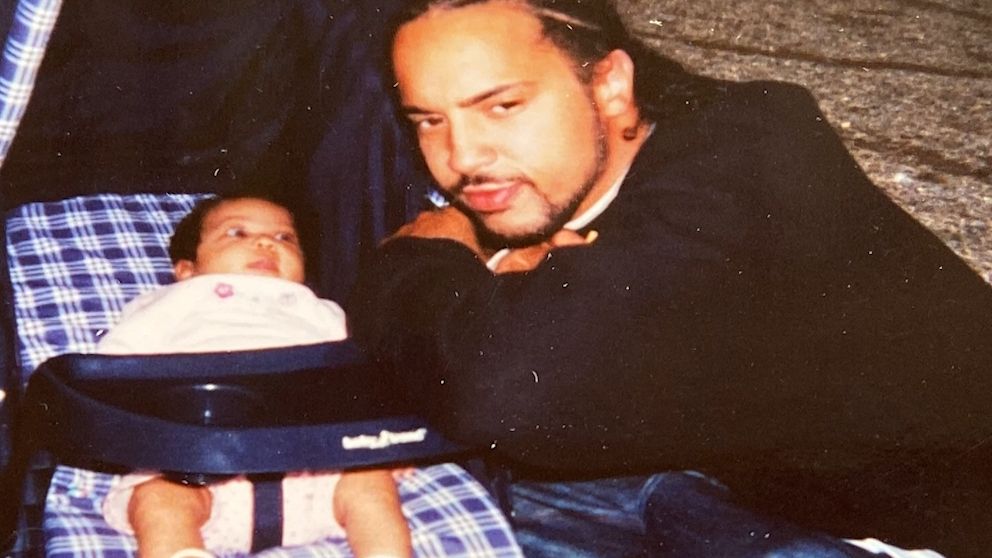
For Chana Wiley, co-chair of the Columbus Safety Collective Campaign, the push for reform is deeply personal. In 2017, her brother, Jaron Thomas, called 911 during a mental health crisis, hoping for help. Instead, he died in police custody.
“He only needed help. He didn’t need to be criminalized or victimized,” Wiley said. “If mental health professionals had responded, he might still be here.”
Her brother’s death is one of many cases fueling calls for change. Advocates argue that traditional policing often escalates mental health crises rather than resolving them.
How Issue 5 Would Work
If passed, Issue 5 would authorize the city to dispatch behavioral health specialists to certain emergency calls instead of—or alongside—police. The goal is to provide immediate, appropriate care while reducing unnecessary arrests or use of force.
Mayor Andrew Ginther, a Democrat, supports the measure, emphasizing that jails and emergency rooms are not the right places for people in crisis.
“This is about getting the right response at the right time,” Ginther said. “People struggling with mental health or addiction deserve care, not punishment.”
The proposal would not raise taxes, officials say. Funding details would be determined by the city council if voters approve the measure.
A Model That’s Working Elsewhere
Similar programs in northeast Ohio have already shown success. The First CALL program, operating in Cleveland Heights, Shaker Heights, and other nearby cities, sends clinicians and peer support specialists—not police—to mental health and substance abuse calls.
“We bring trained professionals who can assess the situation and provide real help in the moment,” said Annette Wallace, First CALL’s program coordinator.
Since its launch, the initiative has reduced unnecessary arrests and hospitalizations, proving that alternative responses can work.
What’s Next for Columbus?
Issue 5 has faced little organized opposition, suggesting broad community support. Advocates like Wiley believe it’s a crucial step toward preventing tragedies like her brother’s.
“We rarely get justice when police violence happens,” she said. “The system needs to change—and Columbus voters have the power to make that happen.”
The decision now rests with voters in the May primary. If approved, Columbus could become the latest city to redefine emergency response—and potentially save lives in the process.
— Reported by Nexio News
