


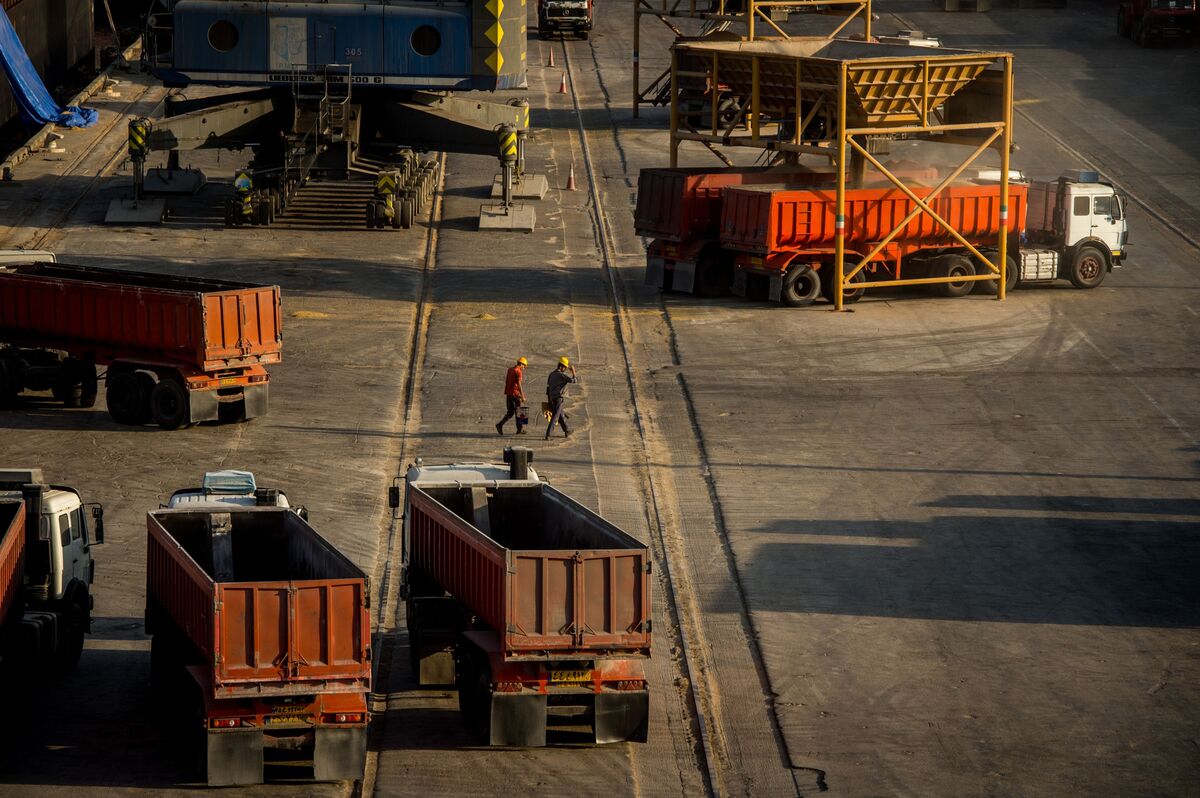

Tensions in the Strait of Hormuz: Crop Shipments to Iran Plummet Amid US Blockade, Threatening Food Security
In a dramatic escalation of geopolitical tensions, crop shipments to Iran through the strategically vital Strait of Hormuz have plummeted by more than 40% since March, plunging the nation into a deepening food crisis. The sharp decline in agricultural imports comes as a prolonged US-led blockade tightens its grip on Iran’s economy, exacerbating already soaring food inflation and raising concerns about long-term food security for millions of Iranians. As one of the world’s most critical maritime chokepoints, the Strait of Hormuz has become a flashpoint in the ongoing standoff between Iran and Western powers, with far-reaching implications for global trade and regional stability.
The Strait of Hormuz: A Lifeline Under Threat
The Strait of Hormuz, a narrow waterway straddling the Persian Gulf and the Gulf of Oman, serves as the gateway for nearly a fifth of the world’s oil supply and a significant portion of global trade. For Iran, it is a lifeline for essential imports, including agricultural products, which the country relies on to supplement its domestic production. However, since March, the flow of crop shipments into Iran has sharply declined, with data showing a drop of over 40% in volume. Analysts attribute this decline to increased scrutiny and enforcement of US-led sanctions, which have effectively choked off Iran’s access to international markets.
The US blockade, part of a broader strategy to pressure Iran over its nuclear program and regional activities, has targeted not only oil exports but also other critical sectors, including agriculture. While humanitarian goods like food and medicine are technically exempt from sanctions, the stringent enforcement measures have made it increasingly difficult for Iran to import these essential items. Shipping companies and insurers, wary of running afoul of US regulations, have either scaled back or entirely halted their operations with Iran, leaving the country isolated from global supply chains.
A Perfect Storm: Rising Prices and Growing Hunger
The decline in crop shipments has dealt a severe blow to Iran’s already fragile economy, which has been reeling from years of sanctions, mismanagement, and the COVID-19 pandemic. Food inflation, which has been trending upward for months, has reached alarming levels, with staple items such as wheat, rice, and cooking oil becoming increasingly unaffordable for ordinary Iranians. According to recent reports, food prices have surged by more than 50% year-on-year, pushing millions of households to the brink of food insecurity.
The situation is particularly dire for low-income families, who spend a disproportionate share of their income on food. With wages failing to keep pace with inflation, many Iranians are being forced to cut back on meals or rely on cheaper, less nutritious alternatives. The crisis has also fueled social unrest, with protests erupting in several cities over rising prices and shortages of essential goods. For Iran’s leadership, the challenge is twofold: addressing the immediate needs of its population while navigating the geopolitical minefield of US sanctions.
The Global Context: Sanctions, Diplomacy, and Human Costs
The current crisis is emblematic of the broader struggle between Iran and the United States, a conflict that has shaped the Middle East’s political landscape for decades. Since the US withdrew from the 2015 Iran nuclear deal (formally known as the Joint Comprehensive Plan of Action, or JCPOA) in 2018, Washington has pursued a policy of “maximum pressure,” imposing sweeping sanctions aimed at crippling Iran’s economy and forcing it to negotiate a more restrictive nuclear agreement. While the Biden administration has expressed a willingness to revive the JCPOA, talks have repeatedly stalled, leaving sanctions in place and tensions unresolved.
Critics of the US approach argue that the human cost of sanctions disproportionately affects ordinary Iranians while failing to achieve their intended political objectives. “Sanctions are supposed to target regimes, not people,” said Trita Parsi, an Iranian-American political analyst and executive vice president of the Quincy Institute for Responsible Statecraft. “But in reality, they end up punishing civilians, exacerbating poverty, and creating humanitarian crises.” Others contend that sanctions are a necessary tool to counter Iran’s destabilizing actions in the region, including its support for militant groups and its ballistic missile program.
Regional and Global Implications
The fallout from the blockade extends beyond Iran’s borders, with potential implications for regional stability and global trade. The Strait of Hormuz is a linchpin of the global economy, and any disruption to its operations risks sending shockwaves through international markets. In 2019, tensions in the strait reached a boiling point when Iran seized a British-flagged oil tanker in retaliation for the UK’s detention of an Iranian vessel, prompting fears of a wider conflict. While such confrontations have since subsided, the specter of escalation looms large, particularly as Iran seeks to assert its influence in the face of mounting pressure.
For neighboring countries, the crisis in Iran poses both challenges and opportunities. Gulf states such as Saudi Arabia and the United Arab Emirates, long-time rivals of Iran, have sought to capitalize on Tehran’s isolation by expanding their own agricultural exports. However, they also face the risk of spillover effects, including increased migration and instability along their shared borders. Meanwhile, Russia and China, seeking to counterbalance US influence in the region, have deepened their economic and strategic ties with Iran, providing Tehran with much-needed support but also complicating efforts to de-escalate tensions.
The Road Ahead: Navigating Uncertainty
As Iran grapples with the dual challenges of economic hardship and geopolitical isolation, the outlook remains uncertain. While the lifting of sanctions and a return to the JCPOA could provide some relief, the path to diplomacy is fraught with obstacles, including distrust on both sides and domestic political considerations in Washington and Tehran. In the meantime, the Iranian government has sought to mitigate the impact of the blockade by ramping up domestic agricultural production and seeking alternative trade routes. However, these measures are unlikely to fully offset the loss of imports, leaving millions of Iranians vulnerable to hunger and hardship.
The crisis in Iran serves as a stark reminder of the far-reaching consequences of geopolitical conflict and the urgent need for diplomatic solutions. As the world watches events unfold in the Strait of Hormuz, the fate of Iran’s population hangs in the balance, caught in the crossfire of a power struggle with no end in sight. Whether dialogue or continued confrontation will prevail remains to be seen, but one thing is certain: the stakes could not be higher.
