



Global Manufacturing Prices Surge to Four-Year High Amid Supply Chain Strains
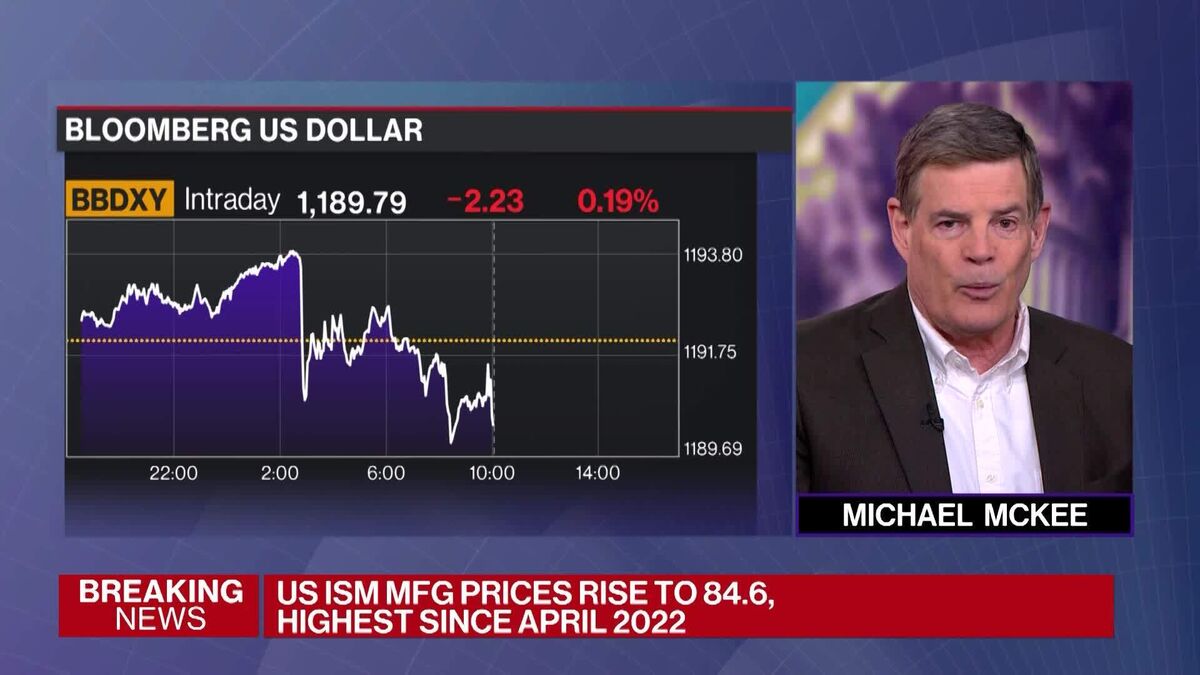
The cost of manufacturing inputs has climbed to its highest level in four years, marking a fourth consecutive monthly increase and adding pressure to global supply chains already strained by geopolitical tensions, pandemic aftershocks, and fluctuating demand. The Institute for Supply Management (ISM) reported on Friday that its Prices Paid Index—a key gauge of raw material costs for manufacturers—rose sharply to 84.6 in September, up from 79.4 in August. This persistent upward trend underscores the challenges facing industries worldwide as they grapple with inflationary pressures and economic uncertainty.
Understanding the ISM’s Price Index
The ISM’s Prices Paid Index is a crucial barometer of economic health, reflecting the prices manufacturers pay for raw materials such as metals, chemicals, and energy. A reading above 50 indicates rising costs, and the September figure of 84.6—the highest since June 2018—signals a significant acceleration. The index has been on an upward trajectory since June, driven by a combination of factors, including supply chain bottlenecks, labor shortages, and escalating energy prices.
Manufacturers across sectors, from automotive to electronics, have reported mounting pressure on their margins as they struggle to absorb these rising costs. While some companies have passed these expenses onto consumers, others have been forced to scale back production or delay projects, exacerbating the global shortage of goods.
Factors Driving the Surge
Analysts point to multiple interconnected factors behind the sharp rise in manufacturing input costs. First and foremost is the ongoing impact of the COVID-19 pandemic, which has disrupted global supply chains and created imbalances in supply and demand. Lockdowns in key manufacturing hubs like China, coupled with port congestion and shipping delays, have fueled shortages of critical components, driving up prices.
Energy prices have also played a significant role. Crude oil prices have surged in recent months, fueled by geopolitical tensions, OPEC+ production cuts, and rebounding demand as economies reopen. Natural gas prices in Europe and Asia have hit record highs, driven by supply constraints and competition for liquefied natural gas (LNG) shipments. These rising energy costs ripple through manufacturing processes, increasing the cost of everything from transportation to factory operations.
Labor shortages further compound the problem. The pandemic has reshaped workforce dynamics, with millions of workers leaving the labor market or shifting to different industries. This has left manufacturers struggling to fill positions, driving up wages and adding to overall production costs.
Global Implications
The rising cost of manufacturing inputs has far-reaching implications for the global economy. For consumers, it means higher prices for a wide range of goods, from household appliances to automobiles. Inflationary pressures have already prompted central banks, including the Federal Reserve and the European Central Bank, to reconsider their monetary policies.
For businesses, the situation is equally challenging. Smaller manufacturers, in particular, face existential threats as they lack the financial resilience to absorb prolonged cost increases. Some have turned to automation or reshored production to mitigate supply chain risks, but these strategies require significant investment and time to implement.
Developing economies are also feeling the impact, as higher input costs erode their competitive advantage in global markets. Countries heavily reliant on imports of raw materials face mounting trade deficits, while those dependent on exports struggle to maintain market share amid rising prices.
Industry-Specific Challenges
The automotive industry has been among the hardest hit, with semiconductor shortages and rising metal prices disrupting production and driving up vehicle costs. Electronics manufacturers face similar challenges, as shortages of components like microchips and capacitors persist.
The construction sector is also grappling with soaring costs for materials such as steel, lumber, and cement. These increases have delayed infrastructure projects and inflated housing prices, further straining affordability in many regions.
Even industries traditionally insulated from manufacturing costs, such as technology and services, are feeling the pinch. Higher energy prices and transportation costs are impacting data centers and logistics networks, while labor shortages are limiting growth potential.
Looking Ahead
The outlook for global manufacturing costs remains uncertain. While some experts predict a gradual easing of supply chain pressures as pandemic-related disruptions subside, others warn that structural issues, such as energy market volatility and geopolitical tensions, could keep costs elevated for the foreseeable future.
Efforts to address these challenges are underway. Governments and international organizations are investing in infrastructure improvements, supply chain diversification, and energy transition initiatives. Meanwhile, companies are exploring new strategies, from inventory optimization to sustainable sourcing, to build resilience and reduce costs.
Yet, the road to recovery is fraught with risks. The global economy’s ability to adapt to these evolving challenges will depend on coordinated action, innovation, and a measure of good fortune.
Conclusion
The surge in manufacturing input costs to a four-year high highlights the interconnectedness of today’s global economy and the fragility of its supply chains. As businesses and policymakers navigate this complex landscape, the path forward will require resilience, creativity, and collaboration. For now, the world watches closely as the ripple effects of these rising costs continue to unfold across industries and economies.
