



Ohio’s Latest Wetland Restoration Project Enhances Lake Erie’s Ecosystem
Ohio has taken a significant step forward in its efforts to improve water quality and preserve natural habitats with the completion of a 43-acre wetland restoration project along Lake Erie’s coastline. The initiative, part of the state’s broader H2Ohio program, aims to address nutrient pollution while bolstering the region’s ecological health.
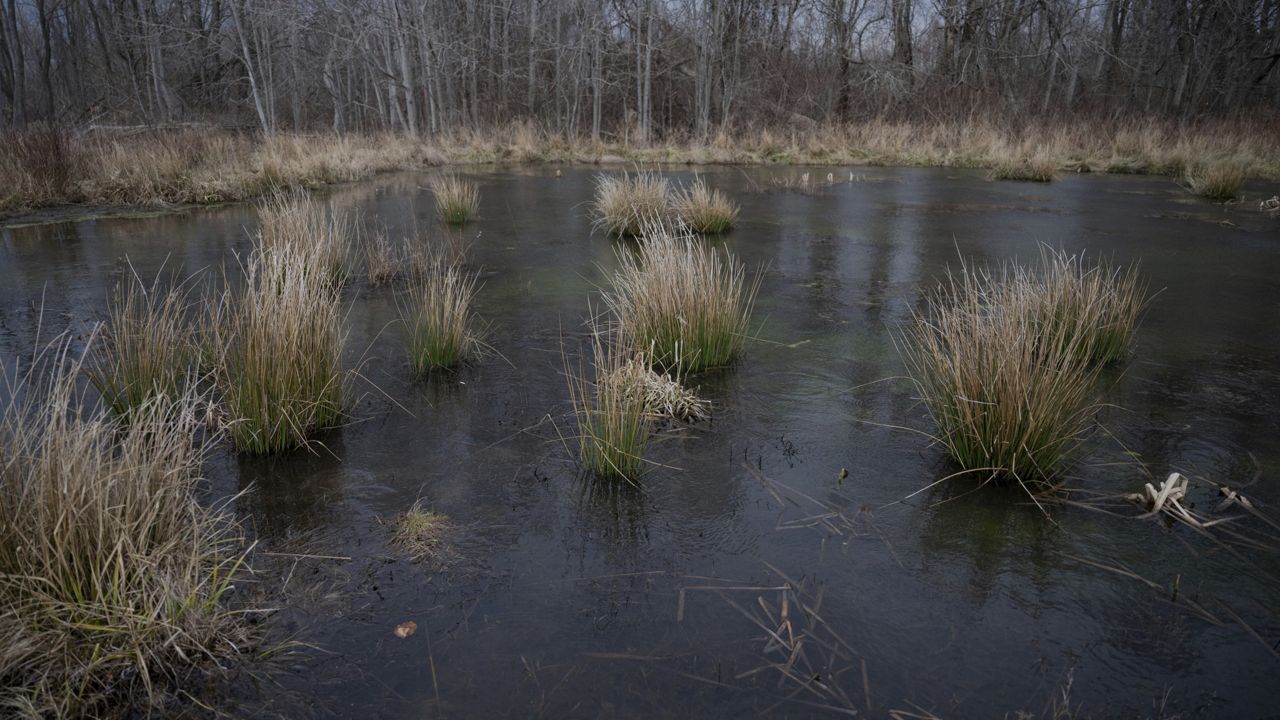
Governor Mike DeWine and the Ohio Department of Natural Resources (ODNR) recently celebrated the milestone at the Mallard Club Wildlife Area Wetland Connection and Restoration project near Maumee Bay. The project, developed in collaboration with Ducks Unlimited, uses natural wetland processes to filter sediment, phosphorus, and nitrogen from runoff before it flows back into Lake Erie.
“H2Ohio continues to build on the progress we’ve made over the past seven years,” DeWine said during the announcement. “Projects like this are vital for improving water quality in Maumee Bay and across Lake Erie, ensuring a healthier environment for both people and wildlife.”
The restoration effort connects four existing wetlands through a sophisticated pump system, allowing water to circulate through all sites for optimal nutrient filtration. This innovative approach maximizes the wetlands’ ability to cleanse water naturally before it returns to local ditches and eventually Lake Erie.
Mary Mertz, Director of ODNR, emphasized the project’s dual benefits for both the environment and the community. “The Mallard Club Wildlife Area plays a crucial role in enhancing water quality for residents and visitors who enjoy Lake Erie’s coastline, as well as the wildlife that depends on this habitat,” Mertz said. “Our partnerships make this critical work possible.”
Ohio’s H2Ohio program, launched in 2019, has been a cornerstone of the state’s environmental efforts. To date, ODNR has either completed or initiated 499 wetland projects statewide, with a focus on reducing nutrient runoff and improving water quality in Lake Erie and other key waterways.
Jamie Rader, Director of Ducks Unlimited’s Great Lakes/Atlantic Region, praised the collaboration and its impact. “This project aligns perfectly with our mission,” Rader said. “Restoring this 43-acre coastal wetland not only enhances water quality in western Lake Erie but also provides a critical habitat for wildlife and a valuable resource for the public.”
The project’s completion marks another milestone in Ohio’s ongoing commitment to environmental restoration. With nutrient pollution posing a persistent threat to Lake Erie, initiatives like the Mallard Club restoration are seen as essential steps toward safeguarding the lake’s health and biodiversity.
As Ohio continues to expand its wetland restoration efforts, officials hope these projects will serve as a model for other states grappling with similar environmental challenges. For now, the focus remains on ensuring Lake Erie remains a vibrant and sustainable resource for generations to come.
— Reported by Nexio News
