



Finland’s Public Debt Crisis Looms: Central Bank Governor Calls for Immediate Fiscal Action
Helsinki, Finland – Finland, long celebrated for its robust welfare system and economic resilience, is now facing a pressing fiscal challenge that could reshape its financial future. Bank of Finland Governor Olli Rehn has issued a stark warning, stating that the nation can no longer afford to delay confronting its escalating public debt. With global economic uncertainties intensifying and domestic pressures mounting, Rehn’s call for decisive action underscores the urgency of addressing Finland’s budgetary vulnerabilities.
A Growing Fiscal Challenge
Finland’s public debt has been steadily rising, driven by a combination of demographic shifts, prolonged economic stagnation, and the fiscal demands of maintaining its extensive welfare system. As of 2023, the country’s debt-to-GDP ratio stands at approximately 75%, a significant increase from around 53% a decade ago. While this figure remains below the European Union average of 90%, the trajectory is cause for concern, particularly given Finland’s aging population and shrinking workforce.
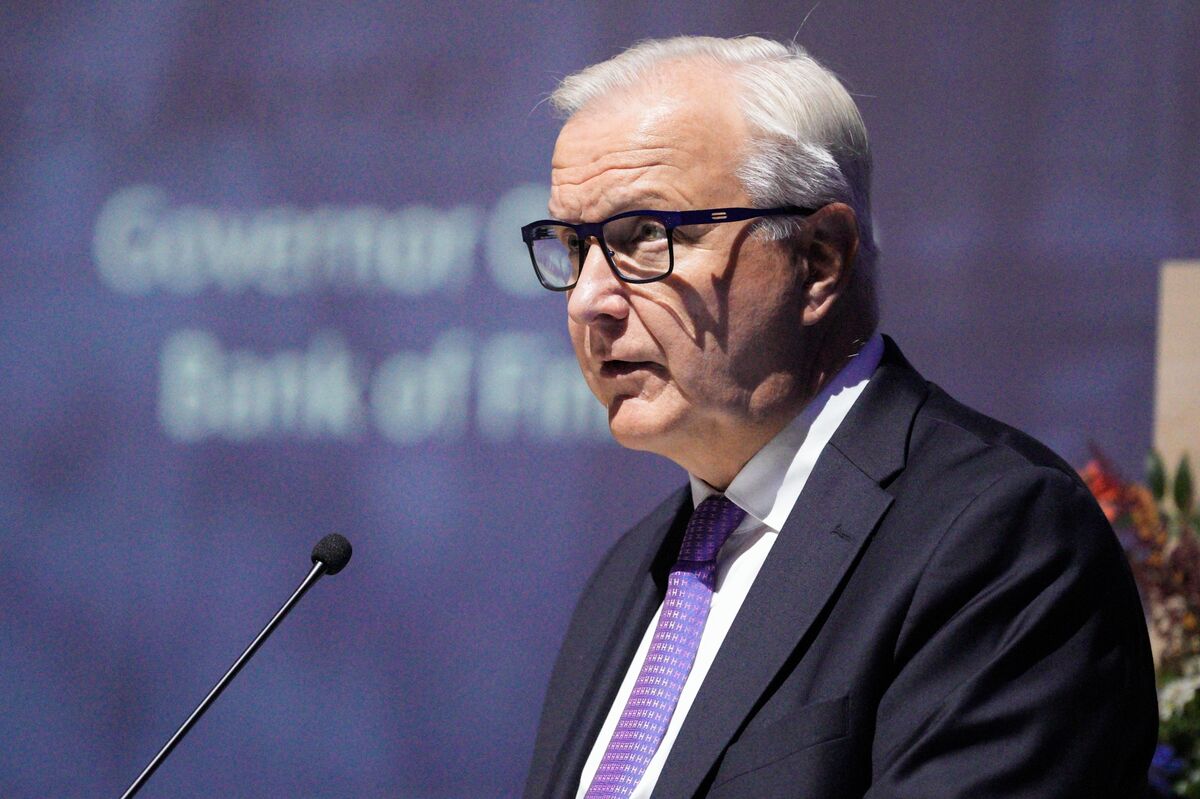
Governor Rehn, a seasoned economist and former European Commissioner for Economic and Monetary Affairs, emphasized that Finland’s debt levels are approaching a critical threshold. “The time for delay and avoidance is over,” Rehn declared in a recent press briefing. “We must act now to ensure fiscal sustainability and safeguard Finland’s economic future.”
The Roots of the Debt Crisis
Finland’s fiscal challenges are deeply intertwined with broader structural issues. The country’s aging population has placed immense strain on its pension and healthcare systems, while the shrinking labor force has curtailed tax revenues. Additionally, Finland’s heavy reliance on exports, particularly in the technology and forestry sectors, has exposed it to global economic volatility.
The COVID-19 pandemic further exacerbated these pressures, as the government implemented expansive stimulus measures to support households and businesses. While these interventions were necessary to mitigate the economic fallout, they have left a lasting impact on public finances. According to the Bank of Finland, the pandemic-related debt burden alone accounts for a significant portion of the current fiscal deficit.
The Call for Reform
Governor Rehn’s warnings echo broader concerns among policymakers and economists about Finland’s fiscal trajectory. The Bank of Finland has long advocated for structural reforms to address the root causes of the debt crisis. Key recommendations include streamlining public spending, increasing labor market participation, and fostering innovation to boost economic growth.
One particularly contentious issue is Finland’s pension system, which is among the most generous in Europe. While the system has been a cornerstone of the country’s welfare model, its sustainability is increasingly in question. Rehn has called for a comprehensive review of pension policies, including potential adjustments to retirement ages and benefit levels.
“We cannot continue to ignore the demographic realities,” Rehn stated. “Reforms may be difficult, but they are essential for long-term fiscal stability.”
Global Context and Comparisons
Finland’s debt crisis is not an isolated phenomenon but rather part of a broader trend among advanced economies grappling with the fiscal aftermath of the pandemic and demographic shifts. Countries such as Japan and Italy face similar challenges, with debt-to-GDP ratios exceeding 150% and 130%, respectively. However, Finland’s relatively lower debt levels provide a window of opportunity to enact reforms before the situation becomes untenable.
Compared to its Nordic neighbors, Finland’s fiscal position is notably weaker. Sweden and Norway, for instance, have maintained more sustainable debt levels due to stricter fiscal discipline and robust economic growth. Experts argue that Finland could draw valuable lessons from these countries, particularly in terms of balancing social welfare with fiscal prudence.
Political and Public Response
The debate over Finland’s fiscal future has sparked intense political discussions, with parties divided over the pace and scale of reforms. While some lawmakers support immediate austerity measures, others advocate for a more gradual approach to avoid exacerbating social inequalities.
Public opinion is similarly divided. Many Finns remain deeply attached to the country’s welfare model and are wary of cuts to public services. However, there is also growing recognition of the need for fiscal restraint, particularly among younger generations who stand to bear the brunt of future debt burdens.
“We need to strike a balance between preserving our social safety net and ensuring fiscal sustainability,” said one Helsinki resident. “It’s a tough conversation, but it’s one we need to have.”
The Path Forward
As Finland charts its course forward, the stakes could not be higher. Failure to address the debt crisis risks eroding investor confidence, increasing borrowing costs, and limiting the government’s ability to respond to future economic shocks. Conversely, successful reforms could position Finland as a model for balancing social welfare with fiscal responsibility.
Governor Rehn’s call to action marks a pivotal moment in Finland’s economic history. The coming months will be critical as policymakers weigh difficult decisions and work to build consensus on the way forward. While the path may be fraught with challenges, the alternative—inaction—is no longer an option.
A Delicate Balancing Act
Finland’s fiscal dilemma serves as a microcosm of the broader challenges facing advanced economies in an era of demographic change and economic uncertainty. The nation’s ability to navigate this crisis will not only determine its own future but also offer valuable insights for other countries grappling with similar issues.
As Governor Rehn aptly concluded, “The road ahead is not easy, but with collective effort and determination, Finland can emerge stronger and more resilient.” The world will be watching whether Finland can rise to the occasion and strike a delicate balance between fiscal responsibility and social equity.
