


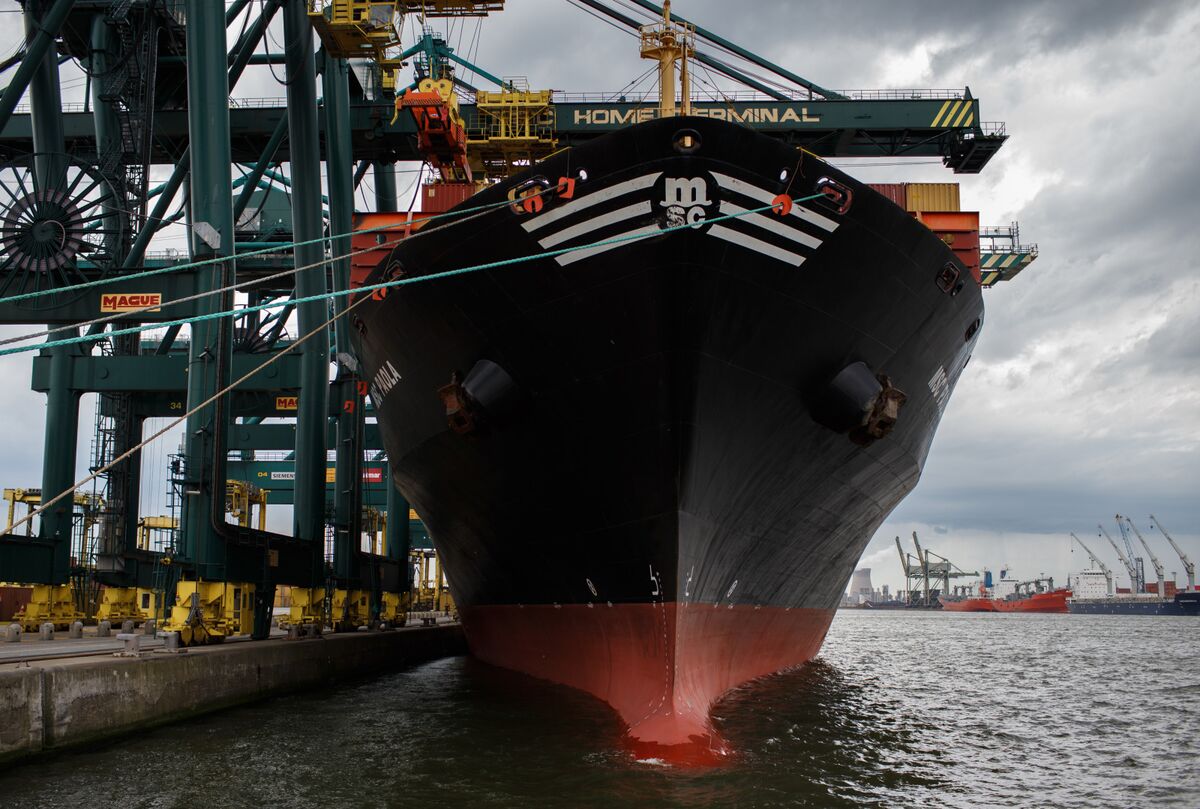

Global Shipping Giant Unveils Innovative Route to Bypass Strait of Hormuz Amid Regional Tensions
In a bold move that could reshape global trade routes, the world’s largest container carrier has announced plans to launch a groundbreaking shipping service connecting Europe with isolated ports in the Middle East. The innovative strategy involves using overland trucking across Saudi Arabia and smaller vessels in the Persian Gulf, effectively bypassing the geopolitically sensitive Strait of Hormuz. This development comes amid escalating tensions in the region and growing concerns over the security of one of the world’s most critical maritime chokepoints.
The new service, spearheaded by the shipping behemoth whose name has yet to be officially disclosed, marks a significant shift in global logistics strategy. By avoiding the Strait of Hormuz, the company aims to mitigate risks associated with potential blockades or conflicts in the region. The strait, a narrow waterway between Iran and Oman, serves as a gateway for approximately 20% of the world’s oil supply and is a vital artery for international trade. However, its strategic importance has also made it a flashpoint for geopolitical strife, particularly involving Iran and Western powers.
The Route and Its Significance
Under the proposed plan, cargo ships will dock at the Saudi Arabian port of Jeddah on the Red Sea. From there, goods will be transported via trucks across Saudi Arabia to Dammam or other coastal cities on the Persian Gulf. Smaller vessels will then carry the cargo to its final destinations in the Gulf region, including ports in Kuwait, Qatar, Bahrain, and the United Arab Emirates.
This alternative route not only circumvents the Strait of Hormuz but also taps into Saudi Arabia’s extensive and modernizing infrastructure. The Kingdom has been investing heavily in its transportation networks as part of its Vision 2030 initiative, aimed at diversifying its economy and reducing reliance on oil exports. The new shipping service could bolster Saudi Arabia’s role as a regional logistics hub, further cementing its position as a key player in global trade.
Context: Rising Tensions in the Persian Gulf
The announcement comes at a time of heightened instability in the Persian Gulf. Over the past decade, the Strait of Hormuz has witnessed numerous incidents, including tanker seizures, attacks on commercial vessels, and military standoffs. In 2019, escalating tensions between Iran and the U.S. led to a series of attacks on oil tankers, prompting fears of a broader conflict. More recently, Iran’s nuclear program and its strained relations with Western countries have added to the uncertainty.
For global shipping companies, these developments pose significant risks. The potential for a blockade or conflict in the Strait of Hormuz could disrupt supply chains, drive up shipping costs, and destabilize global markets. By developing an alternative route, the container carrier is taking a proactive approach to safeguarding its operations and ensuring continuity for its clients.
Economic and Geopolitical Implications
The new shipping service could have far-reaching economic and geopolitical implications. For the Middle East, it offers a lifeline to ports that rely heavily on maritime trade but are vulnerable to disruptions in the Strait of Hormuz. Countries like Qatar and Kuwait, which lack direct access to global shipping lanes, could benefit from a more secure and reliable trade route.
On a broader scale, the initiative reflects a growing trend among businesses to diversify supply chains and reduce dependence on volatile regions. The COVID-19 pandemic and the war in Ukraine have exposed the fragility of global trade networks, prompting companies to rethink their strategies. By creating alternative routes, shipping firms are not only addressing immediate risks but also building resilience for the future.
However, the plan is not without challenges. Overland trucking across Saudi Arabia involves logistical complexities, including border controls, customs procedures, and infrastructure constraints. Additionally, the use of smaller vessels in the Persian Gulf may limit the volume of cargo that can be transported, potentially affecting the efficiency and cost-effectiveness of the service.
Industry Reactions and Future Prospects
Industry experts have welcomed the initiative as a timely and innovative response to geopolitical risks. “This move demonstrates the shipping industry’s ability to adapt to changing circumstances,” said maritime analyst John Smith. “By leveraging overland routes and regional partnerships, companies can reduce their exposure to volatile areas while maintaining global connectivity.”
The success of the new service will likely depend on several factors, including Saudi Arabia’s ability to facilitate seamless transportation, the willingness of regional governments to cooperate, and the extent to which other shipping companies adopt similar strategies. If successful, it could inspire further innovations in global logistics, encouraging businesses to explore alternative routes and diversify their operations.
A Balancing Act for Global Trade
While the new shipping route offers a promising solution to the challenges posed by the Strait of Hormuz, it also underscores the complex interplay between commerce and geopolitics. As tensions in the Persian Gulf persist, businesses must navigate a delicate balancing act, weighing the need for security against the demands of efficiency and cost.
In the long term, the initiative could contribute to greater stability in the region by reducing reliance on a single, vulnerable waterway. At the same time, it may prompt a broader rethinking of global trade routes, encouraging greater collaboration between nations and industries.
As the world’s largest container carrier prepares to launch its groundbreaking service, all eyes will be on the Persian Gulf to see whether this innovative approach can chart a new course for global trade. Amid rising uncertainties, one thing is clear: in an interconnected world, adaptability is the key to resilience.
