


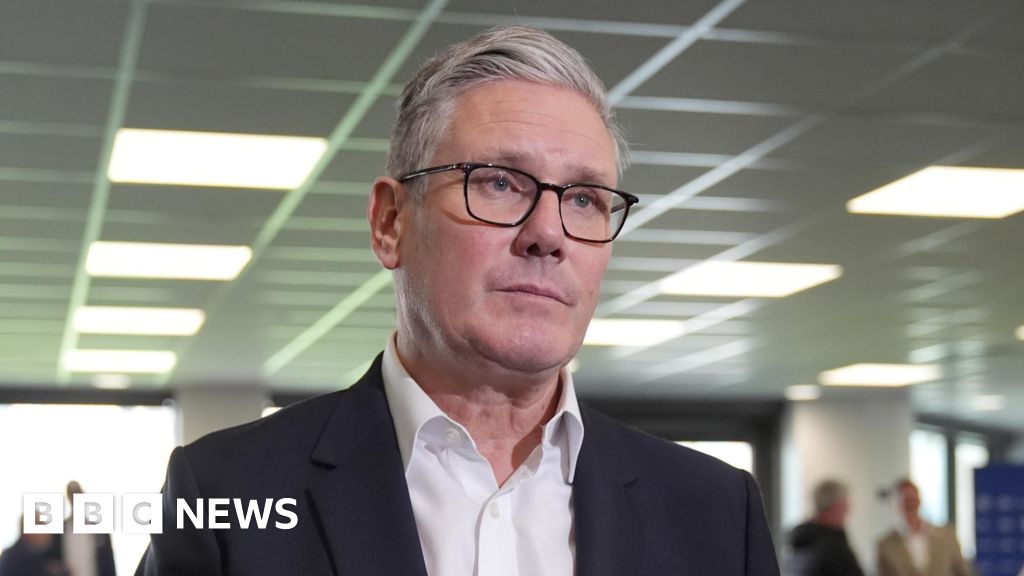

Sir Keir Starmer Vows to Continue Leadership Amid Internal Party Pressure
London, United Kingdom — Sir Keir Starmer, leader of the Labour Party, has defiantly pledged to stay in his role despite mounting calls from within his own parliamentary ranks for him to step down. The growing discontent among Labour MPs, coupled with the looming threat of a leadership contest, has cast a shadow over Starmer’s position as he seeks to steer the party towards the next general election.
The internal tensions erupted into public view this week, with several Labour MPs anonymously criticizing Starmer’s leadership style and questioning his ability to unite the party. Some have gone further, urging him to resign to make way for a new leader who can better position Labour as a viable alternative to the ruling Conservative Party.
Starmer, who has led the Labour Party since April 2020, has faced a challenging tenure marked by efforts to rebuild the party’s image following its worst electoral defeat since 1935 under his predecessor, Jeremy Corbyn. Despite initial optimism surrounding his leadership, Starmer has struggled to maintain a cohesive front within the party, which remains divided over policy direction and electoral strategy.
In a statement delivered at a party event in Manchester, Starmer struck a resolute tone, declaring, “I will not be deterred by internal pressures or distractions. My focus remains on delivering a Labour government that can rebuild Britain and stand up for working families.” He emphasized his commitment to addressing key issues such as the cost-of-living crisis, healthcare reform, and climate change, areas where Labour aims to differentiate itself from the Conservatives.
The growing dissent within Labour’s ranks highlights deeper fractures within the party. Critics argue that Starmer has failed to capitalize on the Conservative government’s vulnerabilities, including economic instability and political scandals under Prime Minister Boris Johnson. They contend that Labour’s messaging has been unclear and that Starmer lacks the charisma needed to inspire voters.
Supporters of Starmer, however, have rallied behind him, arguing that replacing the leader at this juncture would destabilize the party ahead of the next general election, expected in 2024. “This is not the time for internal divisions,” said one senior Labour MP. “We need to focus on presenting a united front and holding the government accountable.”
The possibility of a leadership contest adds another layer of uncertainty. Under Labour Party rules, a challenge can be triggered if a certain number of MPs formally request a vote. While no official bid has been launched, speculation is rife about potential contenders, including figures from both the centrist and left-wing factions of the party.
The timing of this turmoil is particularly critical for Labour. With the Conservatives facing their own internal challenges following Johnson’s resignation and the ascension of Liz Truss as Prime Minister, Labour had hoped to position itself as a government-in-waiting. However, the party’s inability to gain significant ground in recent polls has fueled frustration among MPs who believe a different leader could better capitalize on the Conservatives’ troubles.
Political analysts suggest that Starmer’s leadership crisis reflects broader challenges facing the Labour Party as it seeks to redefine itself in a rapidly changing political landscape. The party must navigate competing priorities between its traditional working-class base and more progressive, urban voters, a balancing act that has proven difficult under Starmer’s leadership.
The outcome of this internal struggle could have significant implications for British politics. If Starmer manages to weather the storm and retain his position, it could strengthen his authority and provide a platform to refine Labour’s strategy. However, if he is forced out, the party could face a protracted leadership contest, further diverting attention from its efforts to challenge the government.
Looking ahead, the Labour Party’s ability to resolve its internal divisions will be crucial in determining its electoral prospects. With the next general election on the horizon, the party must present a clear and compelling vision to voters. Whether Starmer can lead that charge or whether a new leader will emerge remains an open question, but the stakes for Labour—and for British politics—could not be higher.
As the political drama unfolds, one thing is certain: the coming weeks will be a defining moment for Sir Keir Starmer, the Labour Party, and the future of British democracy.
