



Defiant LPG Carrier Crosses U.S. Naval Blockade, Escalating Tensions in Persian Gulf
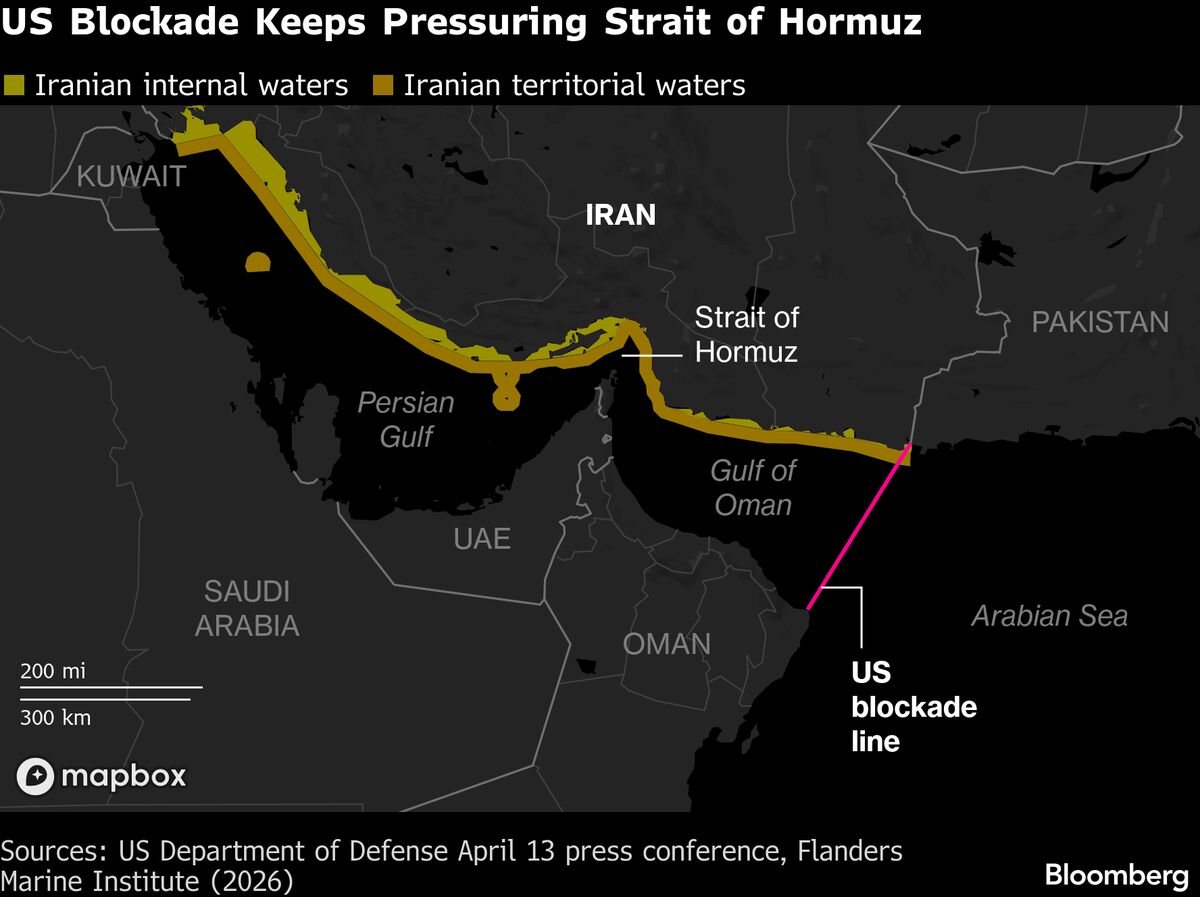
In a bold move that underscores escalating tensions in the Persian Gulf, a liquefied petroleum gas (LPG) carrier with a history of transporting Iranian cargoes has navigated past a naval blockade boundary established by the U.S. Navy last month. The incident, which unfolded late last week, marks a significant challenge to U.S. efforts to enforce sanctions on Iran and highlights the fragile state of maritime security in one of the world’s most strategically vital waterways.
The vessel in question, reportedly identified as the Pacific Gas, sailed through the contested waters despite repeated warnings from U.S. naval forces. According to maritime tracking data, the carrier traversed the blockade line near the Strait of Hormuz, a narrow chokepoint through which approximately one-fifth of the world’s oil supply passes daily. The U.S. Navy had reportedly deployed patrols and surveillance systems in late October to deter Iranian shipments of petroleum products, particularly LPG, as part of broader sanctions designed to curb Tehran’s revenue streams.
This latest breach raises questions about the effectiveness of the blockade and the broader U.S. strategy to isolate Iran economically. Analysts suggest that the move could embolden Tehran and its trading partners, who have increasingly sought alternative routes and methods to circumvent sanctions. Notably, the Pacific Gas has been linked to previous shipments of Iranian LPG, raising suspicions that it may have been operating under a complex web of ownership and registration designed to obscure its activities.
A Tinderbox of Tensions
The Persian Gulf has long been a flashpoint for geopolitical strife, with Iran and the U.S. frequently clashing over maritime navigation, energy exports, and regional influence. The latest incident comes amid heightened animosity between the two nations, which have been locked in a bitter standoff since the U.S. withdrew from the 2015 Iran nuclear deal, formally known as the Joint Comprehensive Plan of Action (JCPOA), in 2018. Since then, Washington has imposed a slew of sanctions targeting Iran’s oil and gas sectors, while Tehran has responded by ramping up its nuclear activities and engaging in provocative military maneuvers.
The U.S. Navy’s blockade, announced in October, was framed as a measure to enforce these sanctions and choke off Iran’s ability to export petroleum products. However, critics argue that such actions risk inflaming tensions further and could lead to unintended military confrontations. “This is a dangerous game,” said Julian Kitchener, a senior analyst at the International Institute for Strategic Studies. “Every move in this region carries the potential for escalation, especially when it involves direct challenges to U.S. authority.”
Iran’s Defiance and the Shadow Economy
For Iran, the transit of the Pacific Gas represents both a symbolic and practical act of defiance. Tehran has consistently accused the U.S. of “economic warfare” and has sought to circumvent sanctions through a combination of creative shipping practices and covert networks. According to experts, Iran has increasingly relied on “ghost ships”—vessels that frequently change names, flags, and ownership—to transport its oil and gas products to markets in Asia and beyond.
The Pacific Gas appears to fit this pattern. Records indicate that the carrier has flown multiple flags in recent years and has been linked to several shell companies based in jurisdictions known for lax maritime regulations. These tactics make it difficult for authorities to track and intercept Iranian shipments, complicating efforts to enforce sanctions.
Moreover, Iran has cultivated relationships with regional partners willing to turn a blind eye to its activities. Countries such as China and Syria have been key destinations for Iranian petroleum exports, providing Tehran with much-needed revenue despite international pressure. The successful voyage of the Pacific Gas suggests that these networks remain operational, undermining U.S. efforts to isolate Iran economically.
Regional Repercussions
The incident has broader implications for regional stability. The Strait of Hormuz, through which the Pacific Gas sailed, is one of the most tightly controlled shipping lanes in the world. Any disruption to the flow of traffic could have catastrophic consequences for global energy markets, particularly as the world grapples with the economic fallout of the COVID-19 pandemic and the ongoing war in Ukraine.
Moreover, the breach of the blockade highlights the challenges of maintaining maritime security in a region fraught with competing interests. The U.S. Navy, while formidable, cannot monitor every vessel in the Persian Gulf, and Iran has demonstrated a willingness to exploit these limitations. “This is a classic game of cat and mouse,” said Sarah Lee, a maritime security expert at King’s College London. “The U.S. may have superior firepower, but Iran has proven adept at finding ways to bypass obstacles.”
What Lies Ahead?
As tensions simmer, the international community is watching closely to see how the U.S. will respond to this latest provocation. Washington has yet to issue an official statement on the incident, but sources suggest that officials are weighing their options carefully. A military response could risk further escalation, while inaction could embolden Tehran to push the boundaries further.
Meanwhile, the ongoing standoff underscores the urgent need for diplomatic solutions. Efforts to revive the JCPOA have stalled in recent months, leaving little room for dialogue between Iran and the U.S. Without a breakthrough, incidents like the Pacific Gas transit are likely to become more frequent, raising the specter of a full-blown confrontation.
As the situation unfolds, one thing is clear: the Persian Gulf remains a powder keg, where even a seemingly minor incident can have far-reaching consequences. Whether this latest breach will be a footnote in the region’s history or a prelude to something more serious remains to be seen. In the meantime, the world holds its breath, hoping that cooler heads will prevail.
