


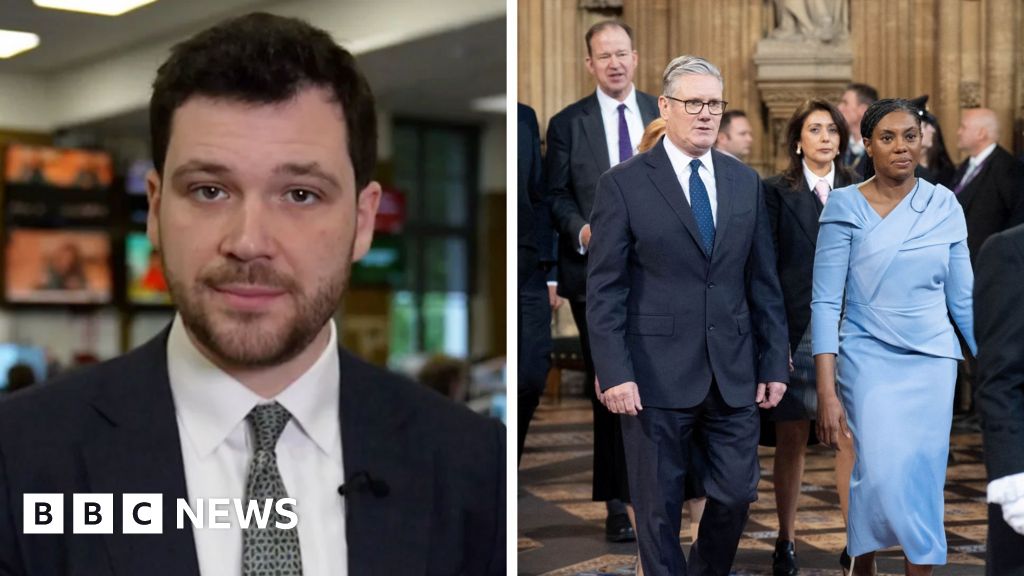

King’s Speech Sets Stage for Government’s Legislative Agenda Amid Political Uncertainty
LONDON — The King’s Speech, delivered at the State Opening of Parliament, has laid out the government’s priorities for the coming legislative session, marking a pivotal moment for Prime Minister Rishi Sunak’s administration as it seeks to regain momentum ahead of a looming general election.
The address, a constitutional formality outlining the government’s proposed laws, included measures on economic growth, crime reduction, and energy security. Yet it also underscored the political challenges facing the ruling Conservative Party, which trails in opinion polls and faces growing public discontent over inflation, healthcare delays, and immigration backlogs.
Key Proposals and Immediate Reactions
Central to the speech was a pledge to bolster economic stability through tax reforms and business incentives, alongside tougher sentencing laws for serious crimes. A controversial bill to accelerate North Sea oil and gas licensing—framed as an energy security measure—drew swift criticism from opposition leaders and environmental groups, who argue it undermines the UK’s climate commitments.
Labour leader Keir Starmer dismissed the agenda as “reheated policies lacking ambition,” while Liberal Democrat leader Ed Davey accused the government of “ignoring the crises in the NHS and public services.” Downing Street, however, insists the plans will “deliver long-term solutions” rather than short-term fixes.
Why This Matters
The King’s Speech arrives at a critical juncture for Sunak’s government. With the Conservatives consistently trailing Labour by double digits in polls, the legislative session may be the party’s last chance to reset public opinion before an election expected next year. Failure to pass flagship bills could deepen internal divisions and erode voter confidence further.
The proposed energy policies also place the UK at odds with international climate goals, risking diplomatic friction ahead of the COP28 summit. Meanwhile, the lack of major new funding for healthcare or education has fueled accusations that the government is out of touch with everyday struggles.
What Comes Next?
Parliament will now debate the proposed bills, with intense scrutiny expected over their feasibility and cost. The government’s slim majority means securing passage will require careful negotiation, particularly on contentious issues like oil licensing. Any significant defeats could embolden rebel Conservative MPs and hasten calls for a leadership challenge.
Beyond Westminster, the speech signals a strategic shift toward framing the Conservatives as the party of economic pragmatism and law and order—a clear attempt to win back voters from Reform UK and undecided moderates. Yet with Labour positioning itself as the alternative, the political battlefield is set for a fierce contest in the months ahead.
The success or failure of this legislative agenda will likely define Sunak’s premiership—and determine whether his party can stage a comeback or faces a historic defeat.
