


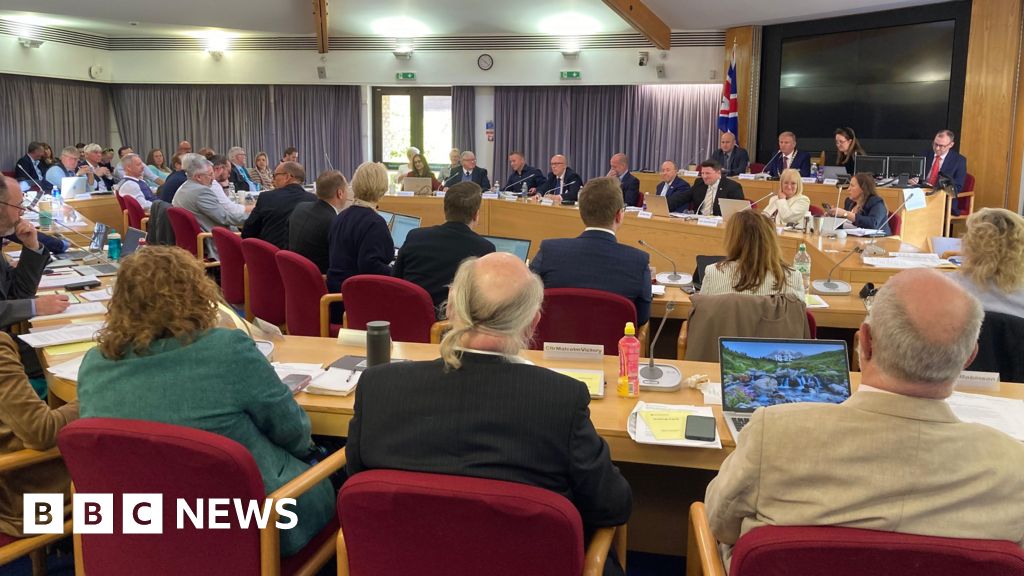

Green Councillor Matt Jenkins Elected as New Leader of Worcestershire County Council
Worcestershire, UK – In a significant political shift, Green Party councillor Matt Jenkins has been elected as the new leader of Worcestershire County Council, marking a milestone for environmental representation in local government. The appointment signals a growing emphasis on sustainability and climate-focused policies in the region.
Jenkins, a long-standing advocate for green initiatives, secured the leadership role following a council vote. His election reflects broader trends of increasing support for environmental parties in traditionally conservative areas. Worcestershire, a county with a mix of rural and urban communities, has faced mounting pressure to address climate concerns, from flooding risks to sustainable transport.
A New Direction for Worcestershire
Jenkins’ leadership is expected to prioritize eco-friendly infrastructure, renewable energy projects, and stronger protections for green spaces. His platform has emphasized reducing carbon emissions while balancing economic growth—a challenge in a county where agriculture and manufacturing remain vital.
“Residents have made it clear they want action on climate change and responsible development,” Jenkins stated after his appointment. “This council will work to ensure Worcestershire remains a thriving, sustainable place for future generations.”
The transition comes amid national debates over local government’s role in achieving the UK’s net-zero targets. Jenkins’ rise underscores the Greens’ expanding influence beyond urban strongholds, as rural and semi-rural areas increasingly demand environmental accountability.
Challenges Ahead
Despite enthusiasm from supporters, Jenkins faces immediate hurdles. Budget constraints, competing infrastructure needs, and political opposition could complicate his agenda. The Conservative group, previously dominant in the council, has pledged to scrutinize policies that might impact businesses or taxpayers.
Analysts suggest Jenkins’ success will hinge on his ability to build cross-party alliances. “Local leadership requires pragmatism,” said one political observer. “The test will be translating green ideals into practical, widely supported measures.”
Why It Matters
Worcestershire’s shift mirrors wider political realignments, where environmental concerns are reshaping voter priorities. Jenkins’ leadership could serve as a case study for other councils weighing sustainability against traditional economic models.
Looking ahead, Jenkins’ tenure may influence regional policy on housing, transport, and energy. If successful, his approach could inspire similar movements in neighboring counties, further amplifying the Green Party’s reach.
For now, all eyes are on Worcestershire as it embarks on a greener path—one that could redefine its future.
