


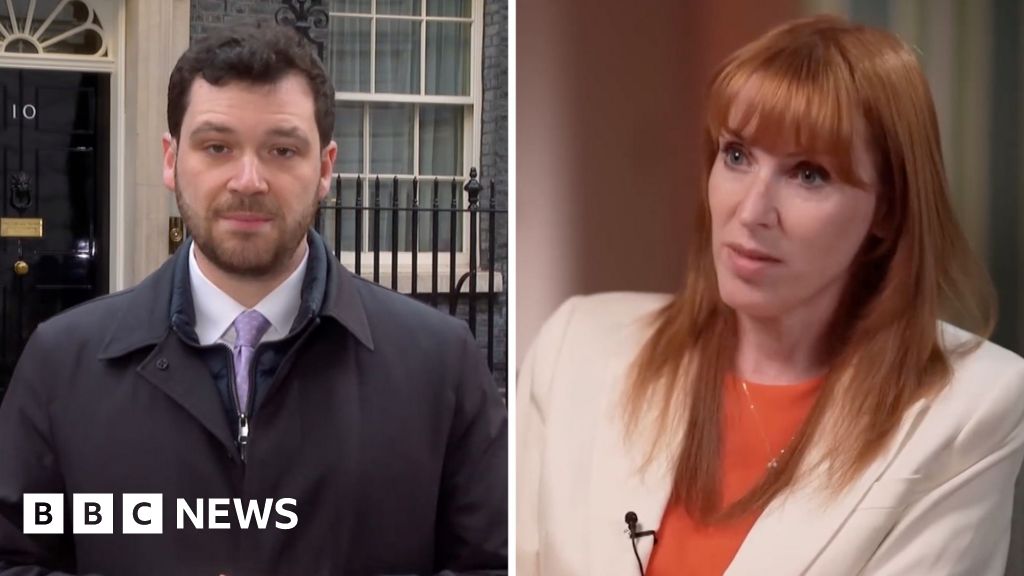

Angela Rayner Cleared of Tax Evasion Allegations as Leadership Tensions Rise in UK Labour Party
LONDON — Angela Rayner, the Deputy Leader of the UK Labour Party, has been cleared of accusations that she “deliberately sought to avoid tax” concerning the sale of her former council house, a development that comes amid rising tensions within the party as speculation grows over a potential leadership challenge to Prime Minister Keir Starmer.
The allegations, which had been a focal point of political scrutiny in recent weeks, centered on claims that Rayner failed to pay capital gains tax on the sale of her property in Stockport in 2015. However, Rayner announced on Thursday that she had been “exonerated” following an independent review. “I have always been clear that I have done nothing wrong,” she said in a statement. “These accusations were politically motivated and designed to undermine my credibility.”
The resolution of the tax dispute removes a significant cloud over Rayner’s political career, but it arrives at a moment of heightened instability within the Labour Party. Prime Minister Keir Starmer has reportedly warned ministers and Members of Parliament that a leadership contest could plunge the party into “chaos.” This caution comes amid mounting speculation that Health Secretary Wes Streeting, a rising star within the party, could launch a leadership bid as early as today.
Streeting’s allies have hinted that he is preparing to challenge Starmer’s leadership, citing dissatisfaction with the Prime Minister’s handling of key policies, including the National Health Service (NHS) reform and economic strategy. Streeting, who has been vocal in his criticism of Starmer’s approach, is seen by many as a fresh face capable of energizing the party’s base and appealing to a broader electorate.
The potential challenge underscores deep divisions within the Labour Party, which has struggled to maintain unity since Starmer assumed leadership in 2020. While Starmer has positioned himself as a centrist figure committed to restoring public trust, his tenure has been marked by internal dissent and declining poll numbers. Critics argue that his leadership lacks vision and decisiveness, leaving the party vulnerable to both internal and external pressures.
Rayner’s exoneration, meanwhile, bolsters her standing as a potential contender for the leadership. Known for her charisma and strong ties to the party’s left-wing faction, Rayner has long been viewed as a rival to Starmer. Her ability to navigate the tax controversy unscathed has reinforced her reputation as a resilient and politically astute leader.
The timing of these developments is critical, as the Labour Party faces mounting challenges on multiple fronts. With a general election expected within the next year, the party must present a united front to counter the ruling Conservative Party, which has regained momentum under Prime Minister Rishi Sunak.
Analysts suggest that a leadership contest at this juncture could destabilize Labour’s electoral prospects, diverting attention from policy debates and amplifying internal rifts. “This is a pivotal moment for Labour,” said Dr. Eleanor Clarke, a political scientist at the University of London. “The party needs to decide whether it wants to focus on internal power struggles or rally behind a coherent strategy to win the next election.”
The broader implications of these events extend beyond the Labour Party. As the UK grapples with economic uncertainty, rising inequality, and a strained healthcare system, the political stability of the opposition is crucial. A fractured Labour Party could undermine efforts to hold the government accountable and provide a viable alternative to voters.
Looking ahead, the Labour Party faces a defining choice between continuity and change. For Starmer, maintaining control will require demonstrating clear leadership and addressing the concerns of his critics. For potential challengers like Rayner and Streeting, the path to leadership will depend on their ability to articulate a compelling vision for the party’s future.
As the political drama unfolds, one thing is clear: the coming weeks will be pivotal in shaping the trajectory of the Labour Party—and its prospects for regaining power in the UK.
End.
