



US Arms Sale to Taiwan Sparks Fears of Escalating Tensions Between Washington and Beijing
In a move that could significantly escalate geopolitical tensions, the United States is reportedly poised to approve a $14 billion arms sale to Taiwan, a decision that has drawn sharp warnings from Chinese President Xi Jinping and ignited concerns about a potential rift between the world’s two largest economies. The deal, which comes amid increasing friction over Taiwan’s sovereignty, has sparked bipartisan debate in Washington and raised fears of retaliatory measures from Beijing.
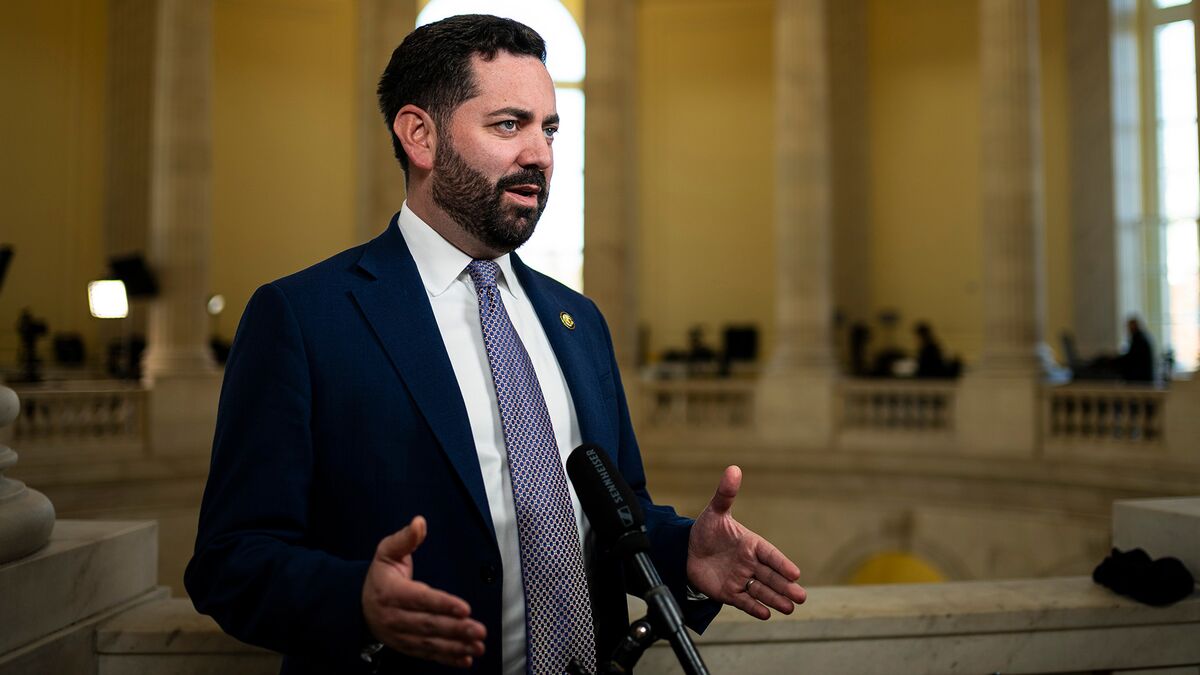
The Biden administration’s potential approval of the arms sale was highlighted in a recent interview with Republican Representative Mike Lawler of New York, who appeared on Bloomberg’s This Weekend. During the segment, Lawler joined hosts Christina Ruffini and David Gura to discuss the implications of this decision, which could deepen the US’s commitment to Taiwan’s defense while risking China’s ire.
This development underscores the delicate and volatile nature of US-China relations, particularly as Taiwan remains a flashpoint in the ongoing rivalry between Washington and Beijing. The island, which China claims as an inseparable part of its territory, has long been a contentious issue, with the US walking a fine line between supporting Taiwan’s self-defense and avoiding actions that could provoke China.
The Proposed Arms Sale: A Bold Strategic Move
The $14 billion arms package, if approved, would represent one of the largest military sales to Taiwan in recent years. While specific details of the deal have not been fully disclosed, it is expected to include advanced weaponry and defense systems designed to bolster Taiwan’s ability to deter potential aggression from China.
For the United States, the sale aligns with its long-standing policy of supporting Taiwan’s self-defense under the Taiwan Relations Act of 1979. This legislation commits the US to providing Taiwan with the means to defend itself, albeit without formal diplomatic recognition of the island as an independent nation.
However, the timing of this decision is particularly sensitive. China has intensified its military posturing around Taiwan in recent years, conducting frequent air and naval exercises near the island. Beijing has also ramped up its rhetoric, emphasizing its commitment to reunification—by force if necessary. Against this backdrop, the US arms sale is likely to be viewed by China as a provocative act, further straining the already tense relationship between the two superpowers.
China’s Response: A “Highly Dangerous Situation”
Chinese President Xi Jinping has not minced words in his criticism of US support for Taiwan, warning that such actions could lead to “clashes” between the two nations. In a recent address, Xi described the situation as “highly dangerous,” underscoring Beijing’s unwavering stance on Taiwan’s status as a “core interest” of China.
Beijing’s rhetoric has been matched by its actions. Over the past year, China has increased its military drills near Taiwan, including simulated blockades and missile tests. These exercises are widely interpreted as a demonstration of China’s willingness to use force to achieve reunification, should peaceful means fail.
The proposed US arms sale has only heightened these tensions. Analysts warn that Beijing could respond with a range of measures, from diplomatic protests to economic sanctions or even military escalation. Such actions would not only impact US-China relations but also have far-reaching consequences for global security and economic stability.
Bipartisan Debate in Washington
The arms sale has also reignited debate within Washington, with lawmakers on both sides of the aisle weighing in on its potential risks and benefits. While many Republicans, like Representative Lawler, advocate for robust support for Taiwan, some Democrats have expressed concerns about the implications of further provoking China.
Proponents of the sale argue that strengthening Taiwan’s defense capabilities is essential to deterring Chinese aggression and maintaining peace in the region. They also contend that failing to support Taiwan could undermine US credibility in the Indo-Pacific, emboldening China to pursue its territorial ambitions more aggressively.
Critics, however, caution that the deal could escalate tensions unnecessarily, particularly at a time when the Biden administration is seeking to stabilize relations with Beijing. They argue that diplomacy, rather than military posturing, should be the primary tool for managing US-China relations.
Broader Implications for US-China Relations
The proposed arms sale comes at a critical juncture in US-China relations, which have been strained by a range of issues, including trade disputes, technological competition, and geopolitical rivalries. While both nations have expressed a desire to avoid conflict, Taiwan remains a potential trigger for confrontation.
For the United States, Taiwan represents a key strategic partner in the Indo-Pacific, serving as a bulwark against Chinese expansionism. However, its support for the island has often been a source of friction with Beijing, which views any external involvement in Taiwan’s affairs as interference in its internal matters.
The situation is further complicated by Taiwan’s growing international profile. In recent years, the island has sought to expand its diplomatic ties and enhance its participation in global forums, garnering support from countries wary of China’s growing influence. This trend has only heightened Beijing’s determination to assert its claims over Taiwan, raising the stakes for all parties involved.
Navigating a Path Forward
As the Biden administration weighs its decision on the arms sale, it faces the challenging task of balancing support for Taiwan with the need to avoid escalating tensions with China. The move could signal a reaffirmation of the US’s commitment to Taiwan’s defense, but it also carries significant risks, particularly if Beijing perceives it as a direct challenge to its sovereignty.
Experts suggest that any decision on the arms sale should be accompanied by clear diplomatic communication with China to mitigate the risk of unintended escalation. They also emphasize the importance of engaging regional allies and partners to ensure a coordinated approach to Taiwan’s security.
For now, the eyes of the world remain fixed on Washington and Beijing, as these two global powers navigate a high-stakes geopolitical dance that could shape the future of the Indo-Pacific—and beyond.
Conclusion
The proposed $14 billion US arms sale to Taiwan is a stark reminder of the complex and fraught nature of US-China relations. While it underscores Washington’s commitment to Taiwan’s defense, it also risks inflaming tensions with Beijing at a time when both nations are seeking to manage their rivalry. As the debate continues in Washington and warnings from China grow louder, the path forward remains uncertain—highlighting the delicate balance between deterrence and diplomacy in one of the world’s most volatile relationships.
