


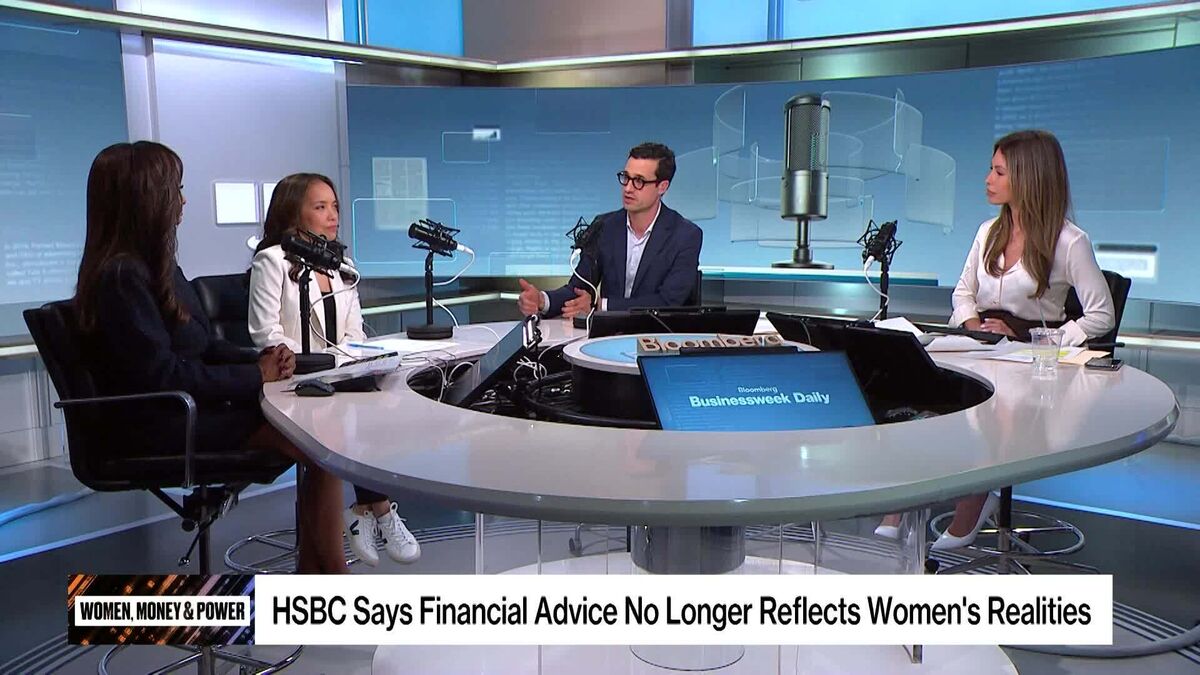

Women Feel Traditional Financial Advice Falls Short in Addressing Their Complex Goals, HSBC Report Reveals
In a world where women are increasingly taking charge of their professional and personal lives, a significant gap remains in how they engage with their finances. Despite strides in financial literacy, many women still feel ill-equipped to make confident, independent decisions about their money. This revelation comes from a groundbreaking report by HSBC, which highlights a growing disconnect between traditional financial advice and the nuanced needs of women. Racquel Oden, HSBC’s Head of International Wealth and Private Banking, emphasized this disparity during a recent Bloomberg interview, shedding light on the urgent need for a more tailored approach to financial guidance for women globally.
The Confidence Gap in Financial Decision-Making
According to the HSBC report, women often possess the foundational knowledge of financial concepts but lack the fluency and confidence to act on it. Oden, who joined Bloomberg Senior Editor Claire Obusan on the show, explained that while women are increasingly financially literate, many feel that traditional financial advice fails to address the complexity of their goals and circumstances.
“Women are not lacking in financial literacy,” Oden stated. “What they’re lacking is the fluency to make the right decisions by themselves. Traditional financial advice often doesn’t resonate with their unique concerns, whether it’s balancing career and family, planning for longevity, or navigating societal biases.”
The report underscores that women’s financial journeys are often marked by distinct challenges, such as wage gaps, career interruptions for caregiving, and longer life expectancies. These factors necessitate a more personalized approach to financial planning, which conventional advisory models frequently overlook.
The Complexity of Women’s Financial Goals
One of the key findings of the HSBC report is that women’s financial aspirations are multifaceted and deeply intertwined with their life stages and responsibilities. For instance, a woman in her 30s balancing a career and motherhood may prioritize saving for her children’s education while also planning for her own future security. Meanwhile, a woman nearing retirement might focus on ensuring her savings last through a potentially longer lifespan.
Traditional financial advice, which often adopts a one-size-fits-all approach, tends to fall short in addressing these complexities. “Women’s financial goals are not just about numbers,” Oden remarked. “They’re about values, priorities, and life stages. We need to move beyond generic advice and provide solutions that align with their unique narratives.”
The report also highlights that women are more likely to seek financial advice that incorporates emotional and psychological factors, emphasizing the importance of trust, empathy, and long-term relationships with advisors. This holistic approach is often missing from conventional financial planning.
Breaking Down Societal Barriers
Beyond individual challenges, the HSBC report points to systemic barriers that hinder women’s financial confidence. Persistent wage disparities, underrepresentation in leadership roles, and societal expectations around caregiving roles all contribute to a financial landscape that can feel daunting for many women.
For example, the gender pay gap remains a global issue, with women earning less than men for the same work in most countries. This disparity not only impacts immediate earning potential but also long-term financial security, including retirement savings and investment portfolios. Similarly, women are more likely to take career breaks for caregiving responsibilities, which can disrupt their earning trajectories and financial planning.
Oden emphasized that addressing these systemic issues requires a collective effort from financial institutions, policymakers, and society at large. “It’s not just about providing better financial advice,” she said. “It’s about creating an ecosystem that empowers women to thrive financially.”
The Role of Financial Institutions in Bridging the Gap
The HSBC report calls on financial institutions to play a proactive role in addressing the unique needs of women. This includes offering tailored advisory services, educational resources, and tools designed to build confidence and fluency in financial decision-making.
Oden highlighted several initiatives that HSBC has undertaken to support women in this regard. These include workshops and webinars focused on financial literacy, as well as advisory services that take into account women’s diverse life experiences and goals.
“Our goal is to empower women to take control of their financial futures,” Oden said. “This means listening to their concerns, understanding their priorities, and providing solutions that resonate with their unique journeys.”
Other financial institutions are also stepping up. For example, some firms are introducing gender-lens investment products that focus on companies promoting gender equality, while others are offering specialized financial planning for women navigating transitions such as divorce or widowhood.
The Importance of Representation
Representation is another critical factor in empowering women to take charge of their finances. The HSBC report notes that women are more likely to seek financial advice from advisors who understand their experiences and challenges. This underscores the need for greater diversity within the financial advisory profession.
“When women see themselves reflected in their advisors, they’re more likely to feel understood and confident in their financial decisions,” Oden explained. “Representation matters, not just in leadership roles but across the entire financial ecosystem.”
Efforts to increase diversity in financial services are gaining traction, with firms actively recruiting and mentoring women advisors. However, progress remains slow, and more needs to be done to create an inclusive environment that reflects the diverse clientele it serves.
A Call to Action
The HSBC report serves as a wake-up call for the financial industry to rethink its approach to serving women clients. By moving beyond traditional models and embracing a more holistic, empathetic, and personalized approach, financial institutions can play a pivotal role in closing the confidence gap and empowering women to achieve their financial goals.
As Oden aptly put it, “Financial empowerment is not just about numbers—it’s about creating a future where women feel confident, secure, and in control of their own destinies.”
In conclusion, while women have made significant strides in financial literacy, there is still much work to be done to ensure that financial advice truly meets their needs. The HSBC report sheds light on the urgency of this issue and offers a roadmap for a more inclusive and empowering financial landscape for women worldwide.
As society continues to evolve, the financial sector must adapt to address the unique challenges and aspirations of women, ensuring that no one is left behind in the pursuit of financial security and independence.
