


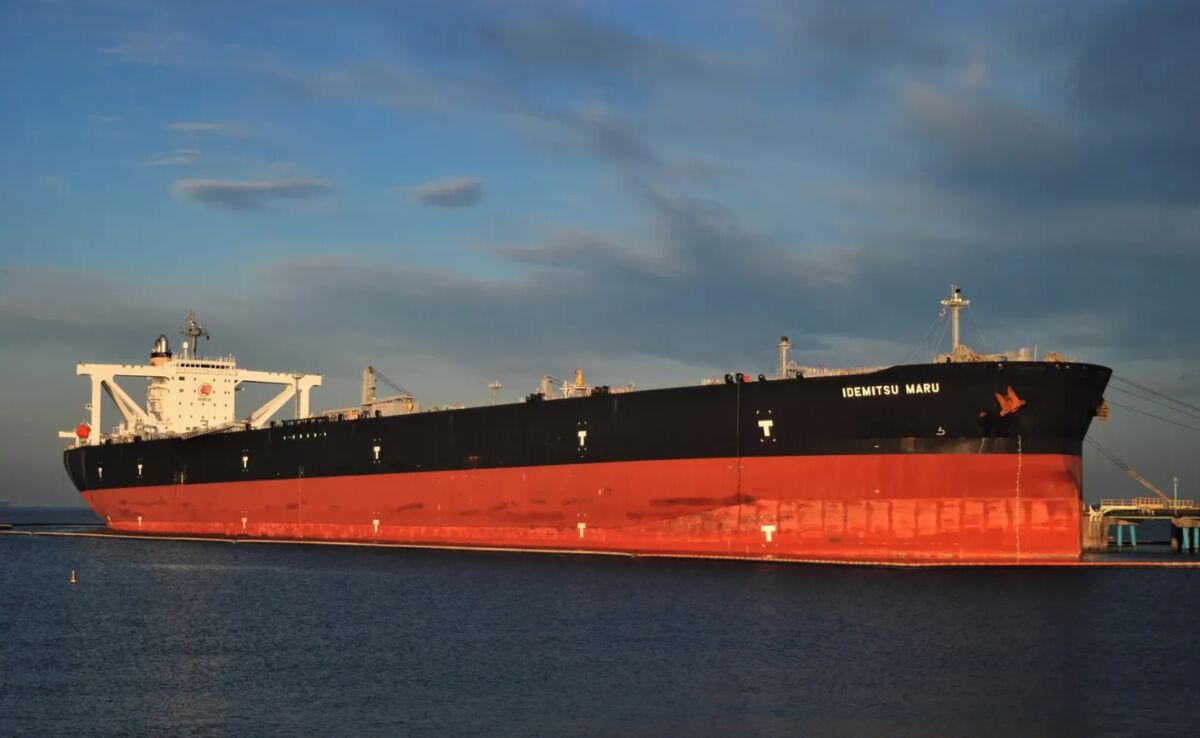

Japan Receives First Persian Gulf Oil Shipment Since Iran Conflict, Navigating Tense Strait of Hormuz
Tokyo, Japan – In a significant development underscoring the precarious balance of global energy supply chains, Japan has announced the imminent arrival of its first shipment of Persian Gulf oil since the onset of the Iran conflict. This shipment, traversing the strategically vital yet highly contested Strait of Hormuz, marks a critical moment for Japan, one of Asia’s largest energy importers, and highlights the geopolitical tensions surrounding the region.
The Strait of Hormuz, a narrow waterway separating Oman and Iran, is the world’s most important oil transit chokepoint, accounting for nearly 20% of global oil consumption. Its strategic significance has only grown amid escalating tensions in the Middle East, particularly following the recent conflict involving Iran. For Japan, which relies heavily on Middle Eastern oil to power its economy, securing safe passage through this corridor is a matter of national urgency.
Japan’s Energy Dependence and Regional Tensions
Japan, the world’s third-largest economy, lacks significant domestic energy resources and imports over 90% of its oil, primarily from the Middle East. The Persian Gulf has long been a cornerstone of Japan’s energy supply, with countries like Saudi Arabia, the United Arab Emirates, and Qatar serving as key suppliers. However, the recent Iran conflict has cast a shadow over this vital supply route, raising concerns about potential disruptions.
The Strait of Hormuz has been a flashpoint for decades, with Iran repeatedly threatening to block the passage in response to geopolitical pressures. The latest tensions have heightened fears of supply chain interruptions, driving global oil prices to volatile highs and forcing energy-dependent nations like Japan to navigate a complex geopolitical landscape.
“This shipment is a significant milestone for Japan,” said Dr. Hiroshi Yamamoto, an energy security expert at the University of Tokyo. “It demonstrates our resilience and ability to adapt to the challenges posed by the current geopolitical environment, but it also underscores the fragility of our energy supply chains.”
The Journey Through the Strait of Hormuz
The arrival of the oil shipment is the culmination of months of meticulous planning and diplomacy. The cargo, loaded onto a Japanese-registered tanker, embarked on its journey from a Persian Gulf port, navigating through the Strait of Hormuz under heightened security measures. Reports indicate that Japanese maritime authorities collaborated closely with international partners, including the United States and regional Gulf nations, to ensure the safe passage of the vessel.
The Strait of Hormuz is notoriously difficult to monitor, with its narrow width—just 21 miles at its narrowest point—making it vulnerable to blockades or attacks. In recent years, Iran has seized or harassed several commercial vessels, including those flagged by Japan, in a show of force against perceived adversaries. This has led to increased international patrols and the formation of multinational coalitions, such as the International Maritime Security Construct (IMSC), to safeguard commercial shipping routes.
“Japan’s successful navigation of the Strait of Hormuz is a testament to the effectiveness of international cooperation,” said Captain Emma Wilson, a retired U.S. Navy officer and maritime security analyst. “However, it also highlights the ongoing risks faced by commercial shipping in the region. The situation remains volatile.”
Economic and Political Implications
The arrival of the oil shipment is expected to provide a much-needed boost to Japan’s economy, which has been grappling with rising energy costs and inflationary pressures. The global energy market has been in flux since the Iran conflict began, with Brent crude prices surging and supply chain disruptions affecting industries worldwide. For Japan, securing a stable flow of oil is critical to maintaining its economic stability and industrial output.
Politically, the shipment underscores Japan’s delicate balancing act in the Middle East. As a close ally of the United States, Japan has aligned itself with Western nations in condemning Iran’s actions. However, it has also maintained a pragmatic approach, seeking to preserve its economic ties with Tehran and other regional players. This diplomatic tightrope has allowed Japan to navigate the complex dynamics of the Middle East while safeguarding its national interests.
“Japan’s approach to the region is a model of pragmatic diplomacy,” said Dr. Akiko Nakamura, a Middle East specialist at the Japan Institute of International Affairs. “By maintaining open channels of communication with all stakeholders, Japan has been able to protect its energy interests without alienating key partners.”
Looking Ahead: Challenges and Opportunities
While the successful transit of the oil shipment is a positive development, experts caution that the challenges facing Japan’s energy security are far from over. The Strait of Hormuz remains a potential hotspot, and any escalation in the Iran conflict could disrupt global oil supplies. Moreover, the transition to renewable energy and the push for decarbonization present both challenges and opportunities for Japan’s long-term energy strategy.
In recent years, Japan has made significant investments in renewable energy and energy efficiency, aiming to reduce its reliance on fossil fuels and achieve its climate goals. However, the transition is gradual, and oil will remain a cornerstone of Japan’s energy mix for the foreseeable future.
“The arrival of this shipment is a reminder of the importance of diversifying our energy sources,” said Minister of Economy, Trade, and Industry, Kenji Yamada. “While we continue to rely on Middle Eastern oil in the short term, we are committed to accelerating our transition to a sustainable energy future.”
Conclusion
The arrival of Japan’s first Persian Gulf oil shipment since the Iran conflict began is a testament to the country’s resilience and adaptability in the face of geopolitical uncertainty. It highlights the critical importance of the Strait of Hormuz to global energy markets and underscores the ongoing challenges of maintaining a stable energy supply in a volatile region.
As Japan navigates these challenges, the world watches closely, recognizing that the fate of this vital waterway has far-reaching implications for global energy security. For now, Japan’s successful transit of the Strait of Hormuz offers a glimmer of hope, but the road ahead remains fraught with uncertainty.
