



The Business of Fear: How Horror Films Are Thriving in the Global Box Office
In an era where streaming platforms dominate entertainment consumption and blockbuster franchises often rely on explosive action or superhero narratives, one genre continues to defy the odds: horror. With its ability to captivate audiences through tension, suspense, and primal fear, horror cinema remains a powerhouse in the global box office. Michael Clear, President of Atomic Monster and a veteran in the horror film industry, recently shed light on how this niche genre continues to draw audiences back to theaters amidst changing viewing habits. Speaking with Romaine Bostick on Bloomberg’s “The Close,” Clear delved into the economics, psychology, and cultural trends that make horror films a resilient force in the entertainment industry.
A Genre Built on Emotion and Economics
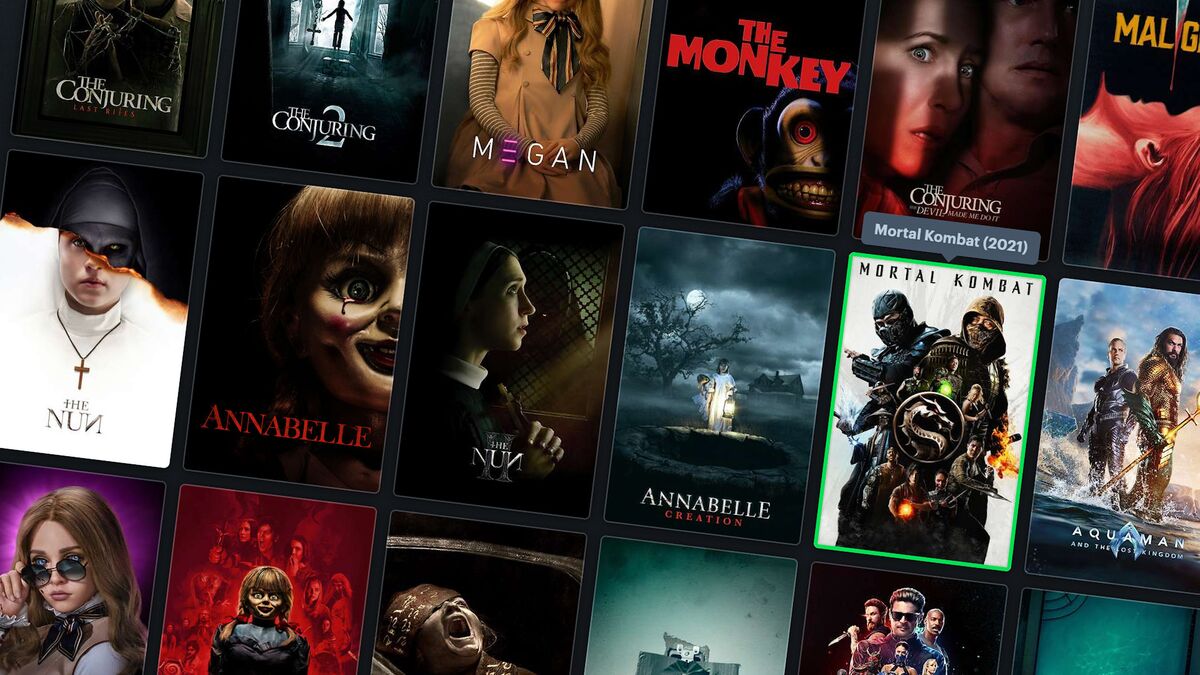
Horror films have long been a staple of the cinematic experience, but their resurgence in recent years has been remarkable. In 2023 alone, horror movies generated over $1 billion in global box office revenue, with low-budget productions often outperforming high-cost blockbusters in terms of profitability. Films like M3GAN, Smile, and Talk to Me have demonstrated that horror’s appeal transcends borders, resonating with diverse audiences worldwide.
Clear attributes this success to the genre’s unique ability to tap into universal human emotions. “Fear is primal. It’s something everyone experiences, regardless of culture or background,” he explained. “Horror films create a collective experience that’s hard to replicate at home. The shared anticipation, the jumps, the gasps—it’s a communal thrill that brings people to theaters.”
This emotional connection is complemented by the genre’s economic efficiency. Horror films are typically produced on modest budgets, often relying on creative storytelling, atmospheric tension, and practical effects rather than costly CGI. For instance, The Conjuring, one of Atomic Monster’s flagship franchises, was made for $20 million but grossed over $300 million globally. This high return on investment has made horror an attractive proposition for studios and independent filmmakers alike.
The Role of Innovation and Nostalgia
One of the keys to horror’s enduring appeal lies in its ability to evolve while honoring its roots. Clear highlighted how Atomic Monster balances innovation with nostalgia, blending classic tropes with fresh narratives. “Audiences love the familiar—the haunted house, the final girl, the supernatural entity—but they also crave something new. It’s about finding that perfect balance,” he said.
Recent trends in horror have seen filmmakers experimenting with themes of technology, social commentary, and psychological depth. M3GAN, for example, explores the dangers of artificial intelligence through the lens of a killer robot doll, while Get Out uses horror as a vehicle to address racial inequality. These films not only scare audiences but also provoke thought, elevating the genre beyond mere entertainment.
At the same time, nostalgia continues to play a significant role. Reboots and sequels of iconic franchises like Halloween, Scream, and The Exorcist have drawn both longtime fans and new viewers, proving that horror’s legacy remains a powerful draw.
The Impact of Streaming and Theatrical Releases
The rise of streaming platforms has transformed the entertainment landscape, offering audiences unprecedented access to films from the comfort of their homes. While this shift has posed challenges for theatrical releases, horror has managed to thrive in both arenas.
Clear emphasized the importance of the theatrical experience for horror films. “There’s something magical about watching a horror movie in a dark room with strangers. The energy is palpable,” he said. However, he also acknowledged the role of streaming in expanding the genre’s reach. Platforms like Netflix, Hulu, and Shudder have become hubs for horror enthusiasts, offering a vast library of classic and original content.
This dual presence has created a symbiotic relationship between theaters and streaming services. Successful theatrical releases often drive demand for streaming, while buzzworthy streaming originals can fuel interest in cinematic releases.
Horror’s Global Appeal
While horror has traditionally been associated with Hollywood, its appeal is increasingly global. Countries like South Korea, Japan, and India have emerged as hotbeds for innovative horror storytelling, producing films that resonate with international audiences.
Clear pointed to the success of films like Parasite and Train to Busan as evidence of horror’s universal appeal. “Horror transcends language barriers. It’s about tapping into fears that everyone can relate to,” he said. This global perspective has inspired collaborations between Hollywood and international filmmakers, further enriching the genre.
The Psychology of Fear
At its core, horror’s success lies in its ability to evoke a visceral response. Psychologists have long studied why people are drawn to fear, with theories ranging from the thrill of adrenaline to the catharsis of confronting inner anxieties. Clear believes that horror films provide a safe space for audiences to explore their fears. “It’s a controlled environment. You know it’s not real, but it still feels real in the moment,” he explained.
This psychological dynamic has made horror particularly appealing during times of societal uncertainty. The COVID-19 pandemic, for instance, saw a spike in horror film consumption as audiences sought an outlet for their anxieties. “Horror allows people to process their fears in a way that’s both entertaining and therapeutic,” Clear added.
The Future of Horror
As the film industry continues to evolve, horror’s future looks promising. Advances in technology, such as virtual reality and AI, offer new possibilities for storytelling, while the genre’s adaptability ensures its relevance in an ever-changing world.
Clear envisions a future where horror continues to push boundaries, both creatively and culturally. “We’re only scratching the surface of what horror can do. There’s so much potential to explore new themes, new formats, and new audiences,” he said.
However, he also stressed the importance of staying true to the genre’s essence. “At the end of the day, horror is about connecting with people on a deep, emotional level. That’s what makes it timeless.”
In a world where entertainment trends come and go, horror films remain a testament to the enduring power of fear. Whether through the communal experience of a theater or the convenience of a streaming platform, they continue to captivate audiences, proving that sometimes, the scariest stories are the most compelling. As the industry looks ahead, one thing is certain: horror is here to stay, and it’s more terrifying—and profitable—than ever.
