



Japan and China Hold First Ministerial Talks Amid Strained Relations Over Taiwan Comments
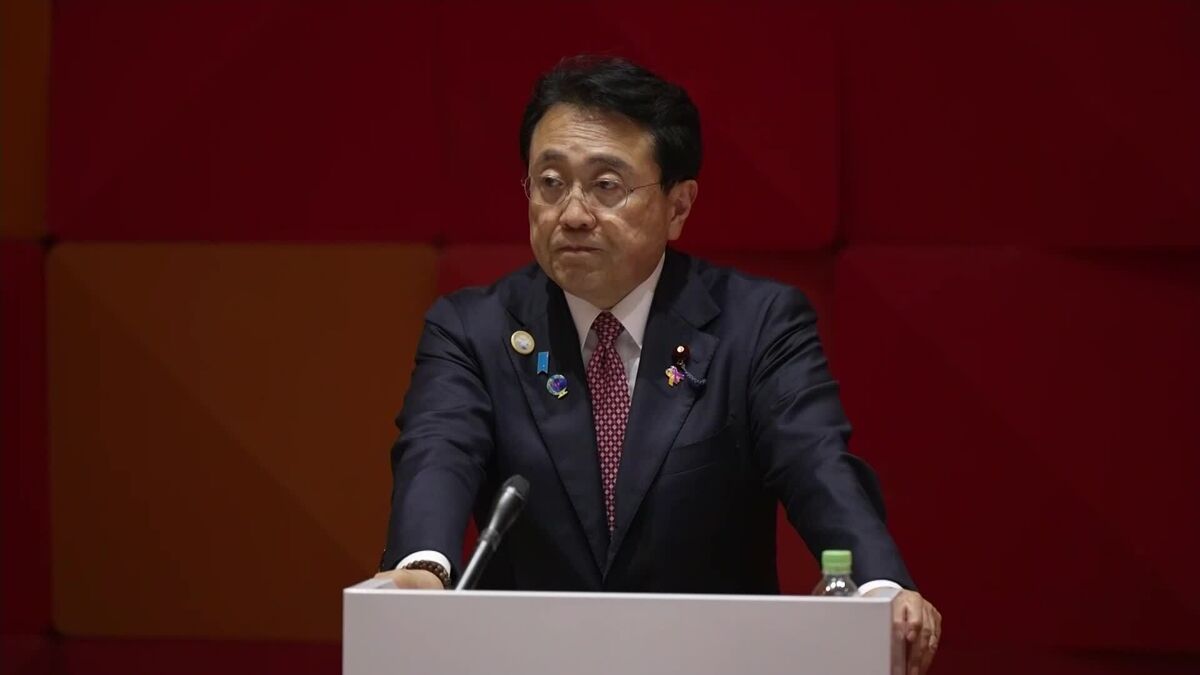
In a rare and cautiously orchestrated encounter, Japanese Trade Minister Ryosei Akazawa and Chinese Commerce Minister Wang Wentao held brief face-to-face talks on Friday during an Asia-Pacific Economic Cooperation (APEC) dinner in Suzhou, China. The meeting marked the first ministerial-level interaction between the two nations since diplomatic tensions flared earlier this year over Japan’s stance on Taiwan. While both sides confirmed the encounter, details of the discussion remain undisclosed, leaving room for speculation about whether this signals a thaw in relations or merely a diplomatic formality.
The context of this meeting is crucial. Relations between Japan and China have been strained since Japanese Prime Minister Sanae Takaichi made remarks in February emphasizing the importance of Taiwan’s security and stability, which Beijing interpreted as interference in its internal affairs. China considers Taiwan a part of its territory and has long warned against any external support for the self-governing island. Takaichi’s comments, coupled with Japan’s increasing alignment with U.S. strategic interests in the Indo-Pacific region, have heightened tensions between the two Asian powers.
This latest interaction took place against the backdrop of the APEC meetings, a forum traditionally focused on trade and economic cooperation but increasingly shaped by geopolitical dynamics. The Suzhou gathering brought together leaders and officials from across the Asia-Pacific region, providing an opportunity for informal diplomacy. However, the brevity and secrecy surrounding the Akazawa-Wang meeting underscore the delicate nature of Japan-China relations at this juncture.
Historical Context and Current Tensions
Japan and China share a complex history marked by periods of cooperation and conflict. While economic ties remain robust—China is Japan’s largest trading partner, and Japan is a significant investor in China—political disputes over issues like territorial claims in the East China Sea and historical grievances have frequently overshadowed bilateral relations.
The Taiwan issue has emerged as a particularly sensitive flashpoint. Japan’s growing concern about Taiwan’s security aligns with broader regional unease over China’s assertive posture in the Indo-Pacific. In recent years, Beijing has increased military drills near Taiwan, raising fears of potential conflict. Japan, which administers the nearby Senkaku Islands (claimed by China as the Diaoyu Islands), views Taiwan’s stability as vital to its own security.
Prime Minister Takaichi’s comments earlier this year, which highlighted Japan’s commitment to peace and stability in the Taiwan Strait, were seen as a departure from Tokyo’s traditionally cautious approach. This shift has been interpreted as part of Japan’s broader strategy to strengthen ties with the United States and other democracies in the region, a move that has not gone unnoticed in Beijing.
Economic Interdependence vs. Geopolitical Rivalry
Despite political tensions, economic interdependence continues to bind Japan and China. According to recent data, bilateral trade between the two nations exceeded $300 billion in 2022, underscoring the importance of their economic relationship. Japanese companies remain deeply invested in China’s manufacturing sector, while Chinese consumers rely heavily on Japanese technology and automobiles.
However, economic ties alone have not been enough to mitigate geopolitical friction. The United States’ increasing focus on the Indo-Pacific region, including its support for Taiwan and the formation of alliances like the Quad (comprising the U.S., Japan, India, and Australia), has further complicated Japan-China relations. Beijing views these developments as part of a broader effort to contain its rise, while Tokyo sees them as necessary measures to ensure regional stability.
The APEC meeting in Suzhou provided a neutral setting for Japan and China to engage, albeit briefly. While neither side disclosed the specifics of the Akazawa-Wang conversation, the fact that it took place at all suggests a recognition of the need to maintain dialogue, even in the face of significant differences.
International Reactions and Broader Implications
The international community has been closely watching Japan-China relations, given their significant impact on regional and global stability. Observers note that while the Akazawa-Wang meeting may not signal a major breakthrough, it could serve as a confidence-building measure.
Some analysts argue that both nations stand to benefit from de-escalating tensions, particularly as the global economy faces headwinds from inflation, supply chain disruptions, and geopolitical uncertainty. China’s economic slowdown and Japan’s reliance on export-driven growth create mutual incentives for cooperation, even if political disagreements persist.
Others, however, caution against overinterpreting the encounter. “A brief meeting at a multilateral event is a far cry from resolving deep-seated issues,” said Zhang Baohui, a professor of international relations at Lingnan University in Hong Kong. “Both sides are likely testing the waters, but substantial progress will require more sustained engagement.”
Conclusion: A Step Forward or Diplomatic Routine?
The Akazawa-Wang meeting represents a small but potentially significant step in Japan-China relations at a time of heightened uncertainty. While the encounter does not resolve the underlying tensions between the two nations, it highlights the importance of maintaining open lines of communication, even when differences appear insurmountable.
As the Asia-Pacific region grapples with shifting power dynamics and growing geopolitical rivalries, the relationship between Japan and China will remain a critical factor in shaping the future of the region. Whether this brief interaction leads to further dialogue or fades into diplomatic routine depends on the willingness of both sides to navigate their complex relationship with pragmatism and restraint. For now, the world watches and waits, hoping that economic interdependence and shared interests will prevail over political discord.
