


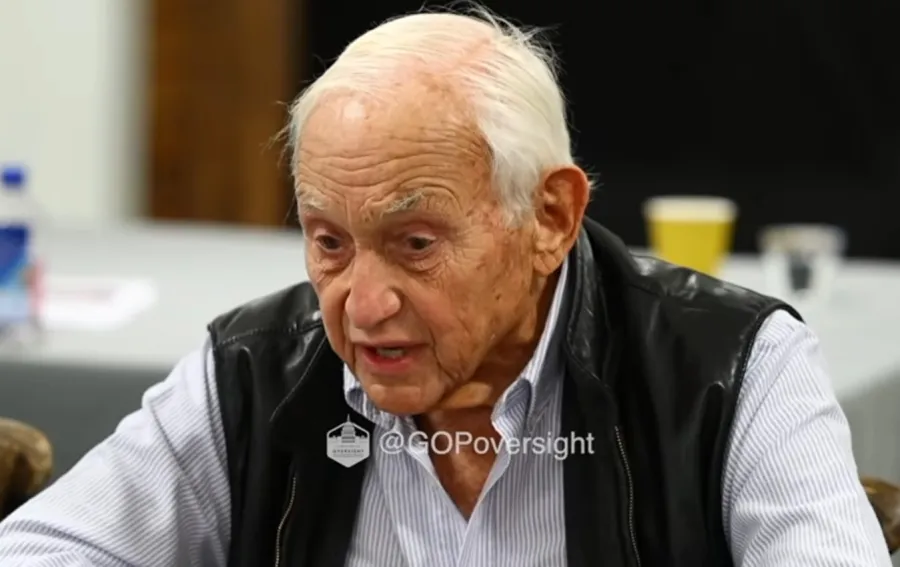

Les Wexner Faces Congressional Scrutiny Over Ties to Epstein
COLUMBUS, Ohio – In a landmark development this week, Les Wexner, the billionaire founder of L Brands and Ohio’s richest individual, provided a five-hour video deposition to members of the House Oversight Committee. The testimony comes amid ongoing scrutiny regarding his long-standing relationship with convicted sex offender Jeffrey Epstein, raising questions not just about Wexner but about systemic issues in corporate accountability and personal responsibility.
Wexner, who notably led a retail empire that includes Victoria’s Secret, has been under the microscope since Epstein’s criminal activities came to light. Details emerging from the deposition are critical not only for Wexner’s legacy but also for the broader implications regarding how powerful figures can be enmeshed with criminality without facing accountability.
The House Oversight Committee convened in New Albany, Ohio, a suburb known as a wealthy enclave, to hear from Wexner, a man whose philanthropy and business acumen have made him a prominent figure in local and national circles. However, his ties to Epstein—who died in federal custody in 2019 while awaiting trial on severe charges—have muddied his reputation and called into question the extent of his knowledge and involvement with Epstein’s alleged exploitation of young women.
Wexner has consistently denied any wrongdoing and has not been charged with a crime. “I haven’t done anything wrong, and I’ll continue to maintain my innocence,” he stated prior to the deposition. Still, many observers are keen to understand the nature of his relationship with Epstein, as the two men shared a friendship that spanned over a decade.
Key parts of the committee’s inquiry focus on Wexner’s financial transactions with Epstein, as well as Epstein’s potential influence over Wexner’s business decisions. The allegations entail a broader narrative involving the power dynamics between wealthy individuals and the policies that govern them.
In the deposition, Wexner was questioned about the genesis of their friendship, which reportedly began in the late 1980s. He was asked to detail Epstein’s involvement with his various business ventures, specifically the management of certain property investments. The committee’s inquiries aim to piece together a timeline of events that could shed light on how Wexner balanced business associations while being unaware of their potentially nefarious undertones.
Legal experts suggest that this inquiry could set a precedent in how corporate leadership is held accountable for personal associations. “This is more than about Les Wexner,” said Dr. Maria Thompson, a legal analyst based in Ohio. “It’s about the corporate environment that allows such friendships to exist unchecked, especially with someone like Epstein, who is now synonymous with sex trafficking.”
The ramifications for Wexner are not merely personal but also professional. His legacy, built on successful brands and philanthropic endeavors, now hangs in the balance based on what emerges from this testimony. Public opinion is swaying, drawing parallels between Wexner’s influence and the pervasive issues of power abuse endemic in many industries. Furthermore, with the #MeToo movement advocating for survivors and transparency, there is a growing societal push for accountability that could extend beyond Wexner himself.
Wexner’s account of his interactions with Epstein will be scrutinized not only by congressional members but also by the general public and advocacy groups. Survivors of Epstein’s crimes have been vocal about their experiences, and the hearings are seen as a critical opportunity for justice and closure.
As the Oversight Committee prepares to deliberate on the findings of Wexner’s deposition, the conversations surrounding ethics in corporate governance are gaining traction. The context here is vital; the ongoing revelations surrounding Epstein’s network have alarmed not just system integrity but societal norms.
Following the deposition, experts suggest that this case could lead to legislative changes regarding corporate responsibility and its players. “What this could mean is a tightening of policies surrounding the vetting of board members and executive affiliations,” added Thompson.
The implications of these developments extend far beyond Ohio, as they serve as a microcosm of larger issues about privilege, power, and accountability that exist globally. As congressional investigations continue, all eyes will remain on Wexner, who must navigate not only the fraught waters of his past associations but also the uncertain future of his legacy in light of these serious allegations.
