



Columbus Property Development Proposal Could Lead to Demolition of State Library Building
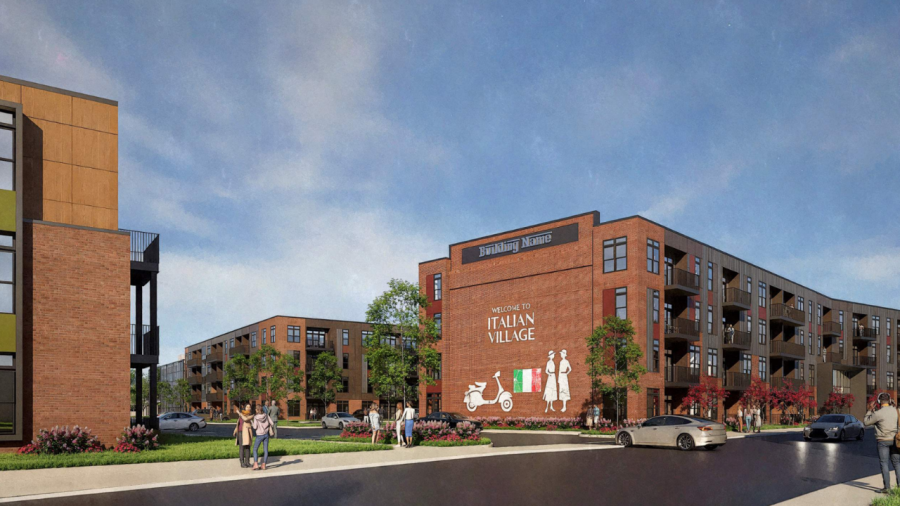
COLUMBUS, Ohio – A significant shift in Columbus’s urban landscape may be on the horizon as plans surface for the redevelopment of a prominent property that currently houses the State Library of Ohio. Real estate developer Merus has submitted a proposal to demolish the existing 122,000-square-foot building situated on nearly seven acres in the city’s heart, with intentions to replace it with a multi-building apartment complex.
This potential redevelopment has raised eyebrows among local historians and community advocates, concerned about the loss of a structure that has long served as a resource of knowledge and learning for Ohio residents. The State Library of Ohio has been a pivotal institution since its establishment in 1817, acting as a repository of state history and a hub for educational resources. Over the years, it has transitioned from a more traditional library model to a space emphasizing digital resources, educational programs, and historical preservation initiatives.
The proposed project, designed by the architectural firm Merus in collaboration with leading city planners, aims to address the pressing housing demand in Columbus. The city, which has witnessed a population surge and subsequent housing shortage in recent years, has become a focal point for developers seeking to create new living spaces. Columbus’s attractions, including vibrant arts, culture, and a growing job market, all contribute to its appeal, especially among young professionals and families.
Advocates for the redevelopment argue the need for increased housing options in the area. “This project represents a strategic investment in the community by providing much-needed residences while revitalizing what is currently an underutilized property,” a Merus spokesperson stated during a recent public meeting. Proponents highlight the potential for new amenities that could benefit both residents and existing local businesses.
However, the proposal has attracted substantial pushback. Local preservationists express concern over the potential loss of the State Library building, which not only serves its educational purpose but also stands as an architectural symbol of Ohio’s commitment to literacy and education. “Destroying the State Library would be erasing a part of our history. This building is more than just bricks and mortar; it represents our values as a community,” said Mary Thompson, a historian who has dedicated years to preserving Ohio’s historical sites.
As discussions evolve, city officials are tasked with considering the implications of this redevelopment on the local community and its resources. The Columbus City Council will hold a series of public hearings to gather feedback from residents, ensuring that community voices are heard in the decision-making process. The city has established guidelines mandating public engagement in significant urban development proposals, aiming to create a balanced approach between progress and preservation.
Meanwhile, developments of this nature will likely have broader implications for similar projects across the nation. As urban areas grapple with the dual challenges of housing shortages and historical preservation, Columbus may set a precedent for how cities can navigate these often conflicting interests.
The timeline for the proposal’s approval remains uncertain, as city officials plan to review complete assessments and community feedback. Should the project proceed as planned, the compact development could also prompt further investment in the surrounding areas, stimulating economic growth and encouraging more constructions aimed at meeting the housing demands.
In the coming months, the debate around the future of the State Library and its property will remain a hot topic. Community members remain divided, advocating for a balance between advancing urban redevelopment and protecting important historical sites that contribute to the region’s identity. Ultimately, this decision will not only shape the neighborhood’s future but also test Columbus’s commitment to preserving its rich history while embracing modern growth.
As the wheels of development begin to turn, Columbus stands at a crossroads, weighing the potential benefits of new residential expansion against the responsibility of honoring its historical legacy. The outcome of this proposal could influence similar urban initiatives, serving as a case study for cities nationwide that are striving to reconcile the pull of modernity with the fabric of their pasts.
