



Ohio Lawmaker Advocates for Reintroducing Elk to the Buckeye State
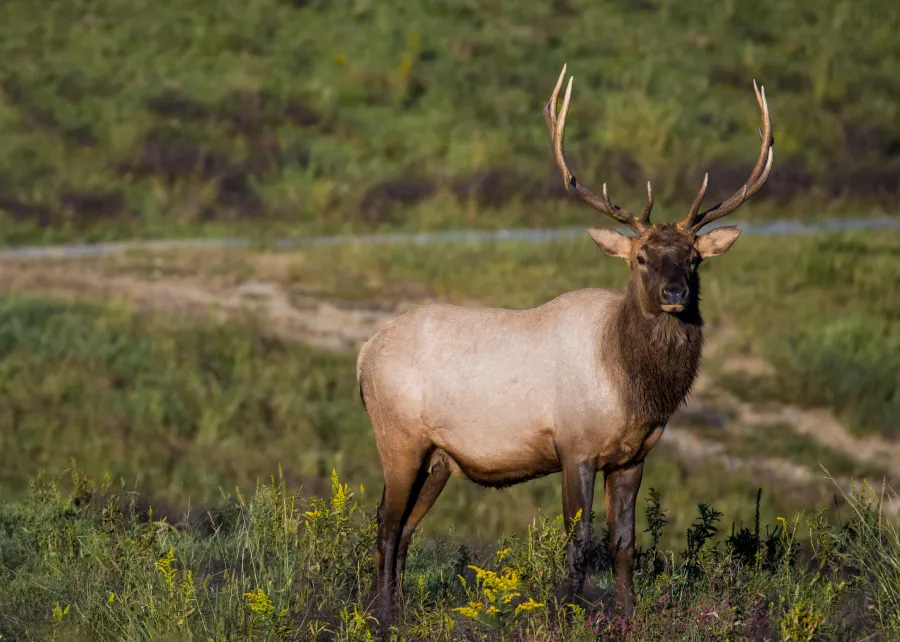
COLUMBUS, Ohio — An ambitious initiative is underway in Ohio that could restore a piece of the state’s natural heritage: the reintroduction of elk. A state lawmaker is championing this endeavor, hoping to revive the population of these majestic animals that once roamed freely across Ohio before their extinction in the 19th century. The proposal marks not only an effort to bolster the state’s wildlife but also to enhance biodiversity and outdoor recreation opportunities in the region.
The push for elk reintroduction is spearheaded by State Senator Theresa Gavarone, who has recently introduced a bill aimed at examining the feasibility of bringing these large mammals back to their native habitats. Elk, which can weigh up to 1,000 pounds, played a crucial ecological role prior to their extirpation due to overhunting and widespread deforestation during the 1800s. Their presence in the ecosystem can help maintain the health of forests, wetlands, and grasslands, as they interact with various species and contribute to habitat dynamics.
“The reintroduction of elk represents more than just a wildlife management project; it is a step towards restoring Ohio’s natural heritage,” Gavarone remarked. “These animals can play a significant role in enhancing biodiversity, promoting eco-tourism, and fostering a deeper connection between people and nature.”
Elk were once prevalent across much of North America, but their population dwindled drastically due to harmful human activities. In the Ohio wilderness, they had become a rare sight by the mid-19th century, disappearing entirely as settlements expanded, and forests were cleared. Understanding the historical significance of these animals is vital for many local communities keen on preserving their ecological identity.
This proposition has generated a mix of excitement and concern among various stakeholders. Conservation organizations view elk reintroduction as a potential success story for wildlife restoration, while some local farmers and landowners express apprehension about the implications for agriculture and land use. Jeff McGowan, a member of the Ohio Farmers Union, highlighted the need for careful planning: “We are open to reintroducing different species, but it has to be balanced with the needs of those who work the land. We cannot afford any negative impacts on our farms.”
A comprehensive feasibility study is being proposed as the next logical step; it would assess potential habitats, evaluate the ecological impact of reintroduction, and consider public sentiment on the matter. Local wildlife agencies, including the Ohio Department of Natural Resources (ODNR), would be instrumental in conducting these assessments.
The timing of this proposal aligns with growing interest in environmental sustainability and wildlife preservation across the United States. According to a recent survey by the National Parks Conservation Association, nearly 80% of Americans support increased efforts to restore native wildlife. The push for elk revival in Ohio could serve as a model for other states looking to reestablish populations of historically native species.
Additionally, the economic prospects tied to reintroducing elk could benefit local communities significantly. Eco-tourism is on the rise, with travelers increasingly seeking experiences that connect them with nature. As elk become a draw for wildlife enthusiasts, photographers, and outdoor adventurers, local economies could see a boost in tourism-related revenue.
Looking ahead, the implications of this initiative could resonate far beyond Ohio. Successful elk reintroduction projects in states like Kentucky and Pennsylvania have shown that with proper management, wildlife can flourish alongside human activities. If the proposal gains traction, it may inspire similar movements in other regions.
As Gavarone’s bill progresses through legislative channels, stakeholders from various sectors will have the opportunity to weigh in and help shape the future of wildlife management in Ohio. This dialogue will be crucial for addressing concerns, dispelling myths, and highlighting the ecological benefits of reintroducing elk to their rightful home.
In summary, the prospect of reintroducing elk to Ohio represents a significant environmental initiative, melding wildlife restoration, economic opportunity, and community engagement. As lawmakers and stakeholders gather to discuss this historic proposal, the potential to change the landscape of Ohio’s natural heritage hangs in the balance. The outcome could redefine not only the state’s ecological horizon but also provide a blueprint for wildlife conservation efforts across the nation.
