


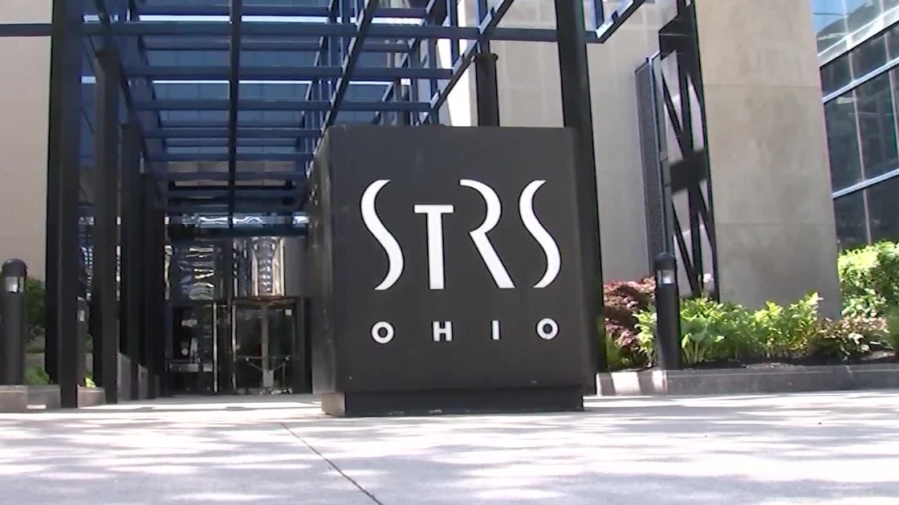

Former STRS Member Appeals Court Ruling Amid Allegations of Misconduct
COLUMBUS, Ohio — A significant legal battle has emerged in the Ohio education community as former State Teachers Retirement System (STRS) board member Richard M. Harrison appeals a recent court ruling that found him and another board member acted against the best interests of teachers within the state’s pension system. The case has raised serious concerns about governance and accountability in the management of funds critical to Ohio’s educators.
Last week, Franklin County Judge Karen Phipps ruled in a civil case alleging misconduct by members of the STRS board, highlighting a breach of fiduciary duty that has worried educators and retirees alike. The STRS board oversees a multi-billion dollar pension fund designed to secure the financial future of Ohio’s public school teachers, making the integrity of its members paramount.
The ruling stemmed from extensive investigations and testimonies regarding the decision-making processes among board members. Allegations surfaced that Harrison and his co-defendant failed to prioritize the well-being of teachers, opting instead for initiatives that could jeopardize their retirement benefits. Judge Phipps’ decision sent shockwaves through the education community, prompting advocacy groups and retirees to demand greater transparency and reform within the STRS.
“I was shocked to learn about the actions taken by board members who are supposed to serve in the best interest of our educators,” said Laura Becker, a former educator and STRS beneficiary. “This has real implications for the financial security of thousands of teachers who dedicated their lives to education.”
The pension system, which serves over 500,000 active and retired teachers in Ohio, faces mounting pressure to ensure it operates with integrity and accountability. Critics argue that mismanagement and lack of oversight in the past have already strained the resource’s capacity, which is vital for sustaining retirement benefits.
Legal experts highlight that this case may not only affect Harrison and his co-defendant but could potentially open the door for further scrutiny of the STRS practices. “This ruling serves as a reminder that board members are entrusted with substantial responsibilities,” commented David Link, an attorney specializing in pension law. “If they act outside of these duties, they must be held accountable. The implications here extend far beyond just one individual; this message resonates throughout all public pension boards.”
The STRS board’s response to the ruling has been cautious, with members pledging to review governance policies and enhance accountability measures. A statement released by the board emphasized their commitment to serving the interests of educators, vowing to take appropriate actions to rectify any mismanagement while implementing safeguards for future operational integrity.
However, educators remain skeptical. Many have expressed concerns that without a thorough investigation into the prevailing culture within the STRS board, valiant attempts at reform might fall short. Teachers like Jonathan Reed articulate their fears: “What assurance do we have that the same issues won’t resurface? Trust has to be rebuilt between us and those managing our retirement funds.”
As Harrison’s appeal moves forward, the implications could reshape the future of pension management in Ohio. If the ruling is upheld, it may lead to broader investigations into other current and former members of boards overseeing public pensions across the country. The case could serve as a precedent, emboldening teachers and advocates to demand more rigorous standards of loyalty and duty from those entrusted with managing their retirement funds.
Looking ahead, many educators are hopeful that this case will lead to vital reforms in the governance structures of public employee pension systems. Reflecting on the current state of the STRS, longtime educator and retirement advocate Sarah Mitchell stated, “This is a pivotal moment for all of us as former and current teachers. It’s not just about our financial future; it’s about restoring trust in the institutions that are supposed to protect that future.”
As developments unfold, stakeholders across Ohio will be watching closely to see how justice and accountability will shape the future of educators’ pensions and, ultimately, the lives of thousands who have devoted themselves to nurturing the state’s youth.
