


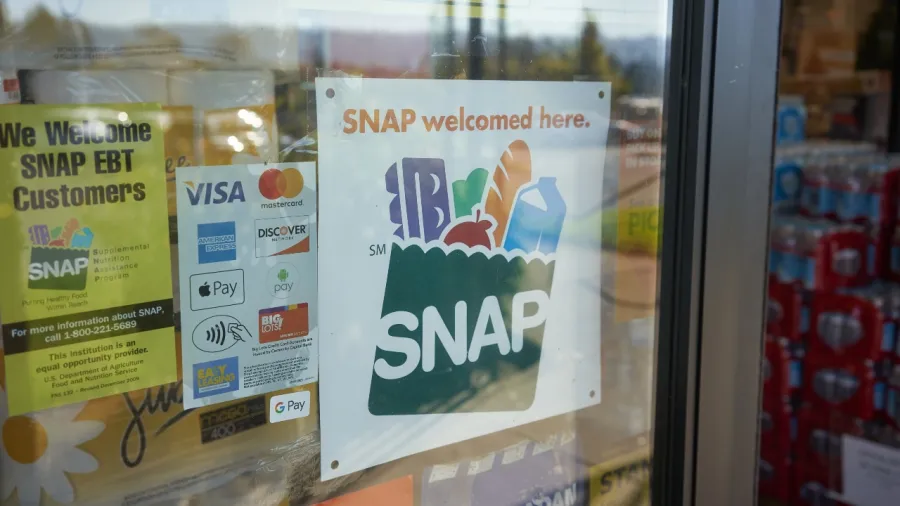

Ohio Implements New Restrictions on Sugar-Sweetened Beverage Purchases with SNAP Benefits
COLUMBUS, Ohio – In a significant move aimed at promoting healthier dietary choices, the federal government has approved Ohio’s request to restrict the purchase of sugary drinks using Supplemental Nutrition Assistance Program (SNAP) benefits. The Ohio Department of Job and Family Services announced that these new regulations will take effect on October 1, marking a notable shift in the state’s approach to nutrition assistance.
Governor Mike DeWine highlighted the importance of the initiative, stating that encouraging healthier food options is a step toward improving public health outcomes across Ohio. “We must do everything we can to combat diet-related illnesses that disproportionately affect low-income communities,” he said. “These new restrictions will help ensure that SNAP benefits are supporting the purchase of nutritious food rather than promoting unhealthy habits.”
The move to limit SNAP purchases of sugary beverages is part of a broader initiative by the U.S. Department of Agriculture (USDA) to support states in implementing nutrition-focused changes to their food assistance programs. This particular waiver, approved as part of a pilot initiative, aims to reduce the significant public health crisis associated with obesity and related illnesses.
Statistics reveal that more than 34% of Ohio adults are obese, leading to increased instances of diabetes, heart disease, and other serious health issues. As sugary drinks are significant contributors to these health challenges, state officials believe that enacting these restrictions will encourage recipients of SNAP to opt for healthier, more nutritious choices, such as water, milk, and 100% fruit juice.
The new rules will prevent the purchase of any beverages containing added sugars, including sodas, energy drinks, and sweetened teas. This decision follows similar measures adopted in other states, reflecting a growing trend toward reducing sugar consumption amid rising obesity rates across the nation.
Critics of the restrictions have raised concerns about the potential implications for consumer choice and autonomy. Some advocates argue that limiting access to specific products can infringe on personal freedom and disproportionately affect families who rely on SNAP benefits. However, supporters of the policy maintain that the primary goal is to improve public health and reduce the financial burden on the healthcare system that arises due to diet-related diseases.
“Public health should be everyone’s priority,” stated Dr. Amy Acton, former director of the Ohio Department of Health. “Creating a healthier population not only benefits individuals and families but also reduces the strain on healthcare services that all Ohioans rely on.”
The impact of this newly approved measure is likely to be felt not only within Ohio but also nationally as other states may look to similar interventions in their food assistance programs. This approval could pave the way for more sweeping changes across the country, propelling a larger movement towards healthier dietary options for those on assistance programs.
The implications of these restrictions reach beyond mere dietary guidelines; they touch the very fabric of food policy and public health in the United States. As more states consider similar paths, retailers, food producers, and health organizations may need to adapt to shifting consumer behaviors shaped by these new regulations.
In a time when the country is facing escalating health issues linked to nutrition, the approval of Ohio’s restrictions is a crucial development in the ongoing conversation about food access, education, and public health. As the nation grapples with the balance between welfare assistance and personal responsibility, the outcome of these restrictions will serve as a significant case study in the intersection of policy, health, and nutrition.
As the October deadline approaches, stakeholders are poised to monitor the effects of this policy change closely. Questions remain regarding how SNAP recipients will adapt to the new purchasing limitations and whether similar initiatives will be adopted in other regions. The focus now shifts to the practical implications and potential future demands for additional reforms in the SNAP program and beyond.
