


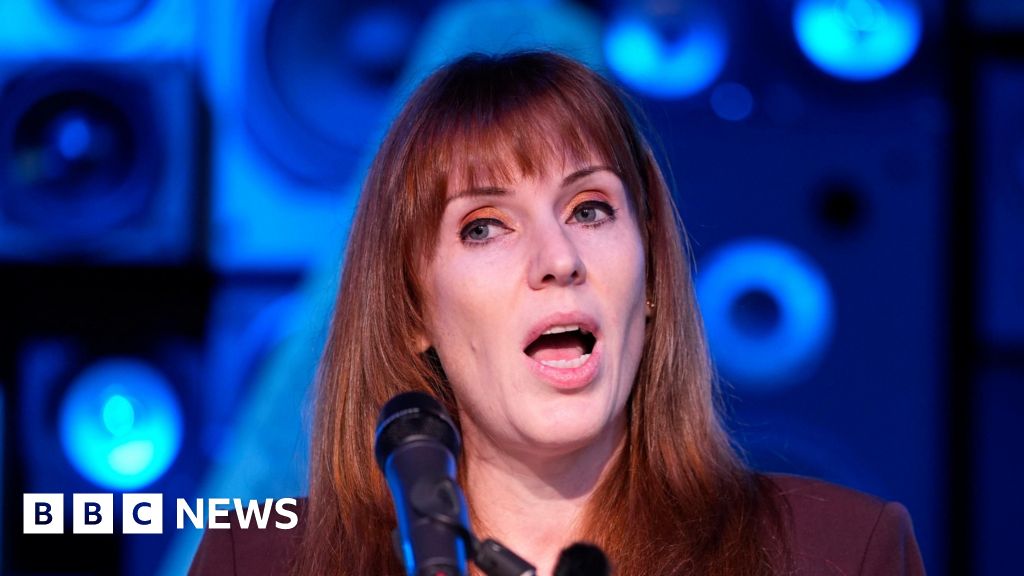

Former Deputy PM Takes Aim at Labour’s Direction in Scathing Critique
LONDON – The former Deputy Prime Minister of the United Kingdom launched a blistering critique of the Labour Party’s trajectory, stopping short of naming its leader, Sir Keir Starmer, but leaving little doubt about the target of her remarks. The attack, delivered in a high-profile speech, underscores simmering tensions within the political landscape as Labour seeks to position itself for the next general election.
Speaking to a packed audience at a political conference in London, the ex-deputy PM accused Labour of losing its way, claiming the party has abandoned its core principles in pursuit of political expediency. “What we are seeing is a party that has lost its identity,” she said. “It is navigating without a compass, drifting further from the values it once stood for.”
The critique comes at a pivotal moment for Labour, which has been working to rebuild its image and appeal to voters following its devastating defeat in the 2019 general election. Sir Keir Starmer, who took over as leader in 2020, has sought to steer the party toward the center ground, emphasizing fiscal responsibility and pragmatism. However, this approach has sparked internal divisions, with some critics arguing that Labour risks alienating its traditional base.
The former deputy PM’s speech highlighted these divides, particularly in her emphasis on Labour’s shifting stance on key issues such as taxation, public services, and economic policy. “The Labour Party was once a champion of working people,” she said. “Today, it seems more concerned with impressing the elites than addressing the real challenges facing ordinary families.”
Her remarks also touched on Labour’s handling of recent controversies, including allegations of internal factionalism and a lack of clear direction. While she refrained from directly naming Starmer, her comments were widely interpreted as a rebuke of his leadership style and strategy.
Political analysts have described the speech as a significant moment in the ongoing debate over Labour’s future. “This is more than just criticism from a former colleague; it’s a signal that the party’s internal struggles are far from resolved,” said one commentator. “It raises questions about whether Labour can present a united front ahead of the next election.”
The former deputy PM’s intervention also reflects broader concerns about the state of opposition politics in the UK. With the Conservative government facing its own challenges—including economic instability and scandals—Labour had hoped to capitalize on public discontent. However, the party’s efforts have been hampered by internal discord and a perceived lack of clarity on key policies.
Labour’s leadership has responded cautiously to the criticism, emphasizing its commitment to unity and progress. A spokesperson for the party said, “We respect the views of all members, but our focus remains on delivering a vision that works for everyone in this country. We are confident in our direction and our ability to lead.”
The timing of the speech is notable, as it comes just weeks before Labour’s annual conference, where the party is expected to unveil its policy platform for the coming year. The event will be a crucial opportunity for Starmer to rally support and address concerns about Labour’s vision.
For the Conservative government, the internal strife within Labour presents both an opportunity and a challenge. While it undermines the opposition’s credibility, it also raises the stakes for Prime Minister Rishi Sunak to deliver on his promises and maintain public confidence.
As the political landscape continues to evolve, the former deputy PM’s critique serves as a reminder of the high stakes facing both major parties. For Labour, the path forward is fraught with difficult choices—balancing tradition with the need for modernization, and unity with diversity of thought.
The coming months will be pivotal for Starmer and his team as they navigate these challenges and seek to present a compelling alternative to the electorate. Whether Labour can regain its footing and mount a credible challenge to the Conservatives remains an open question, but one thing is clear: the debate over the party’s direction is far from over.
Ultimately, the former deputy PM’s remarks highlight a deeper truth about UK politics: in a time of uncertainty and upheaval, the ability to articulate a clear and coherent vision is more important than ever. As the next general election looms, the pressure on Labour to define itself—and on the Conservatives to prove their mettle—will only intensify.
The future of British politics hangs in the balance, and the outcome will depend on how each party responds to the challenges ahead.
