


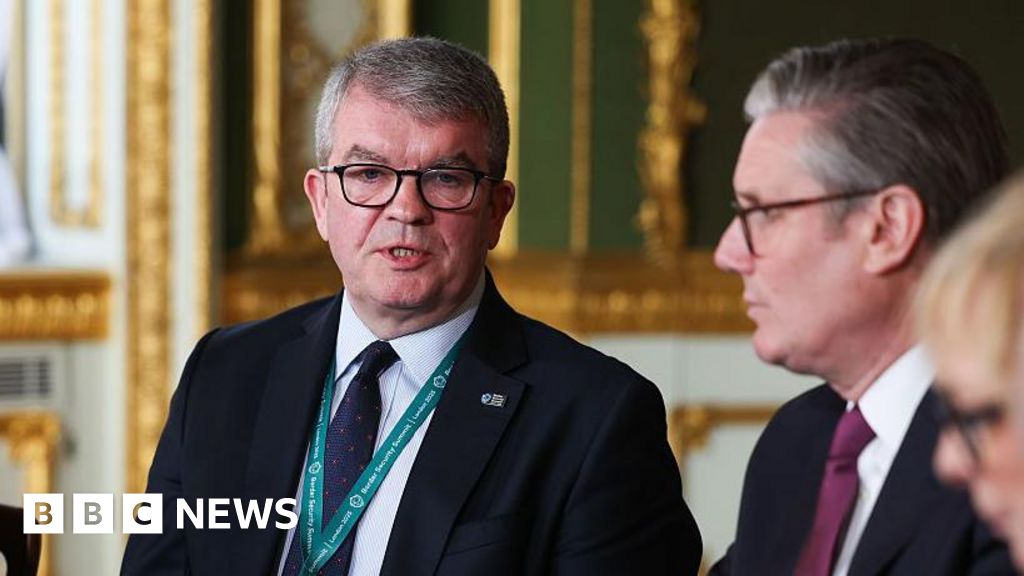

UK Appoints Martin Hewitt to Lead Small Boats Crisis Response
The UK government has named Martin Hewitt as the official tasked with reducing the number of migrants crossing the English Channel in small boats, a persistent challenge that has fueled political and humanitarian debates. Hewitt, a seasoned security expert, will spearhead efforts to curb illegal crossings while balancing enforcement with human rights concerns.
A Daunting Challenge
Hewitt’s appointment comes as the UK grapples with record numbers of arrivals via small boats, many departing from northern France. Last year, over 29,000 people made the perilous journey, straining border resources and igniting fierce political clashes. Prime Minister Rishi Sunak’s administration has vowed to “stop the boats,” a pledge central to its immigration policy.
Previously chair of the National Police Chiefs’ Council, Hewitt brings law enforcement expertise to a role requiring coordination between UK agencies, French authorities, and international partners. His mandate includes improving deterrence, disrupting smuggling networks, and accelerating asylum processing.
Policy and Pushback
Critics argue that previous measures—such as the controversial Rwanda deportation plan—have failed to deter crossings. Human rights organizations warn that aggressive deterrence risks endangering vulnerable migrants, including refugees fleeing war and persecution. The UK Home Office maintains that its approach prioritizes both security and compassion, but legal challenges and logistical hurdles persist.
France, a key partner, has faced pressure to intercept more boats before they depart. While joint patrols and intelligence-sharing have increased, French officials cite resource constraints and the vast coastline as obstacles.
Why It Matters
The small boats crisis symbolizes broader global struggles over migration, sovereignty, and humanitarian obligations. For the UK, it tests the government’s ability to enforce borders post-Brexit while upholding international law. With a general election looming, the issue remains a lightning rod for public opinion.
What’s Next
Hewitt’s success hinges on balancing enforcement with systemic reforms, such as clearing asylum backlogs and expanding legal pathways. Meanwhile, rising Channel crossings in 2024 could intensify pressure for tougher measures. The outcome will shape not only UK policy but also its stance on one of the defining challenges of the era.
As Hewitt takes charge, all eyes are on whether his strategy can deliver results—or if the small boats will keep coming.
