



Cincinnati Approves $160 Million Music Venue Amid Financial Debate
Cincinnati City Council has greenlit a resolution to move forward with a proposed $160 million music venue, sparking heated discussions about the city’s financial priorities. The project, known as the Farmer Music Center, will be built on the former site of the iconic Coney Island amusement and water park, with a tentative opening date set for spring 2027.
The city has committed $8 million toward the project, a decision that has divided council members and residents alike. Supporters argue the venue could deliver a significant economic boost, while critics question the wisdom of investing public funds amid a $35 million city deficit.
A Catalyst for Economic Growth
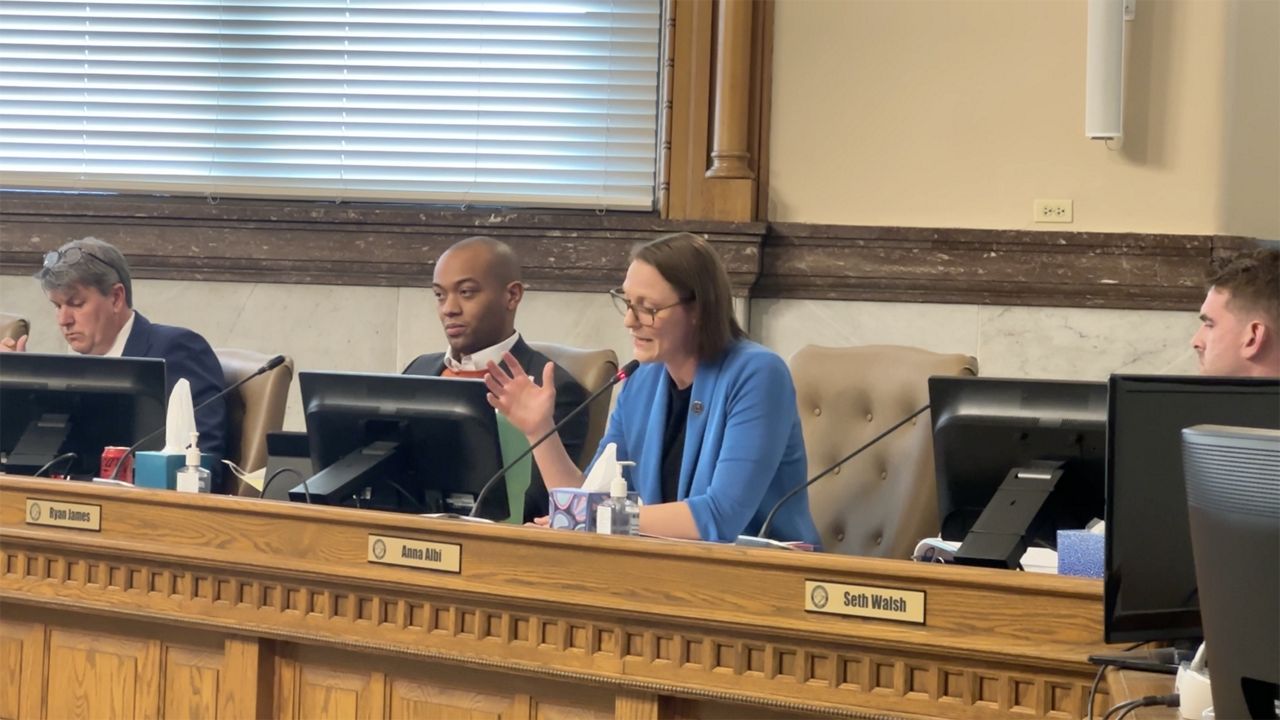
Proponents of the Farmer Music Center believe the venue could transform Cincinnati’s cultural and economic landscape. Council member Anna Albi highlighted the potential ripple effects, estimating the project could generate approximately $100 million in annual economic impact.
“This means more visitors dining in our restaurants, staying in our hotels, and supporting our small businesses,” Albi said. She also projected the city could recoup its $8 million investment within five years through increased tax revenue. Over the next decade, Albi estimates the venue could bring an additional $15 million in city taxes.
The Farmer Music Center is envisioned as a state-of-the-art facility capable of hosting large-scale concerts and events. Its location on the Coney Island site, a beloved local landmark, adds a layer of nostalgia and community connection to the project.
Opposition Raises Concerns
Despite the optimism, not everyone is on board. Critics have raised concerns about the city’s financial health and the approval process. Council member Scotty Johnson called the $8 million investment “reckless and irresponsible,” pointing to Cincinnati’s existing $35 million budget shortfall.
Others questioned the transparency of the decision-making process. Council member Mark Jeffreys argued that the proposal should undergo further review before moving forward. “From a process standpoint, we should have a hearing, a presentation, and proper vetting by the administration,” Jeffreys said.
Questions also linger about the potential financial risks if the venue fails to meet revenue expectations. Critics worry that taxpayers could be left footing the bill if the project underperforms.
What’s Next?
While the resolution marks a significant step forward, the funding allocation is not yet final. The city council must formally approve the $8 million contribution as part of Cincinnati’s budget, which is due to be finalized by the end of June.
The debate over the Farmer Music Center reflects broader tensions about how cities balance ambitious development projects with fiscal responsibility. For Cincinnati, the decision could reshape its cultural identity and economic future—but not without a cost.
As discussions continue, residents and officials alike are left to weigh the potential benefits against the financial risks. The Farmer Music Center could be a transformative addition to Cincinnati’s landscape, but its success hinges on navigating the challenges ahead.
— Reported by Nexio News
