



Supreme Court to Decide Fate of Mail Ballot Deadlines in 14 States Ahead of Midterms
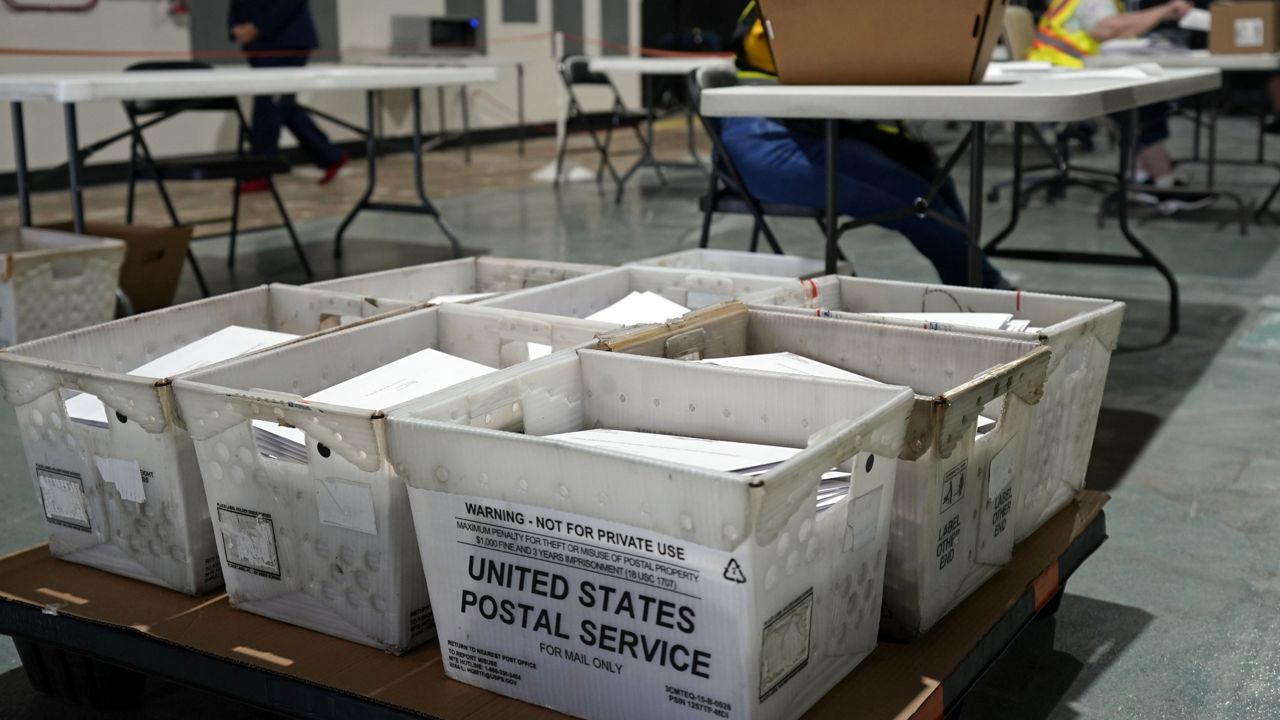
The U.S. Supreme Court will hear arguments Monday in a high-stakes case that could upend election rules in 14 states by eliminating grace periods for mail-in ballots received after Election Day. The decision could force last-minute changes for millions of voters just months before the November midterms.
At the heart of the legal battle is whether states can accept and count ballots that arrive days—or even weeks—after polls close, as long as they were postmarked by Election Day. The Republican National Committee and Mississippi’s Libertarian Party argue that federal law mandates a single Election Day, while opponents warn that scrapping grace periods could disenfranchise voters who rely on mail voting.
The Case and Its Consequences
Mississippi’s five-day grace period is under fire, but 13 other states and Washington, D.C., also allow late-arriving ballots—ranging from one extra day in Texas to 21 days in Washington state. If the Supreme Court sides with Republicans, election officials say chaos could ensue.
“There’s no second chance,” said Stuart Holmes, Washington’s election director, noting that 127,000 ballots in his state arrived after Election Day in 2024. “If the court rules against us, those votes might as well have never been cast.”
The ruling could also impact military and overseas voters, as 29 states permit delayed ballot receipt for service members. Voting rights advocates argue that eliminating grace periods would disproportionately affect rural voters, seniors, and those with unreliable mail service.
Trump’s Influence and GOP Pushback
Former President Donald Trump has long railed against counting ballots after Election Day, falsely claiming it leads to fraud. His “STOP THE COUNT” rhetoric after the 2020 election fueled Republican-led efforts to tighten voting rules.
Ohio, Kansas, North Dakota, and Utah have already abolished grace periods, while Minnesota shortened its deadline. Ohio Gov. Mike DeWine, a Republican, reluctantly signed his state’s ban, citing fears that a Supreme Court ruling would leave no time to adjust.
“Election Day is Election Day for a reason,” argued Ohio state Sen. Theresa Gavarone, who championed her state’s law. Critics, however, say the push ignores real-world challenges—like postal delays—that can prevent ballots from arriving on time.
Voter Concerns and Postal Service Challenges
Adriane Mohlenkamp, an Ohio voter, said the previous grace period gave her peace of mind. “In rural areas, mail can take longer,” she said. “Knowing my ballot would still count even if it was delayed meant everything.”
But the U.S. Postal Service’s recent policy changes have complicated matters. Postmarks now reflect processing dates, not necessarily when mail was sent—raising concerns that ballots could be invalidated due to logistical delays. Some states, like California and Virginia, are already proposing deadline extensions to compensate.
What’s Next?
With the midterms looming, election officials warn that any Supreme Court ruling against grace periods would require rapid voter education campaigns. “Changes like this need to be communicated clearly and early,” said Katy Owens Hubler of the National Conference of State Legislatures.
The case could reshape voting access nationwide, setting a precedent for how states balance election security with voter convenience. For now, millions of Americans await a decision that could determine whether their ballots count—or get tossed over a postal delay.
— Reported by Nexio News
