


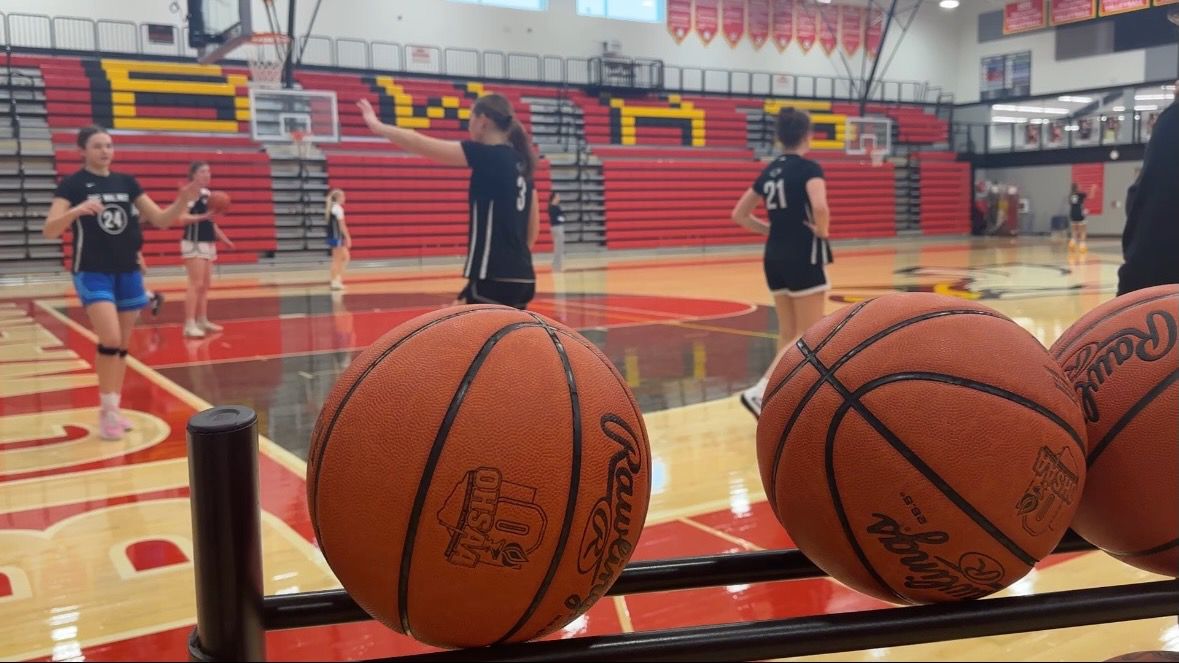

Ohio High School Basketball May Introduce Shot Clocks as Debate Heats Up
COLUMBUS, Ohio — Ohio high school basketball could be on the verge of a significant rule change as officials weigh whether to adopt shot clocks, a feature already used in more than 30 states.
The Ohio High School Athletic Association (OHSAA) is gathering feedback on the proposal, which has sparked strong opinions among coaches, administrators, and players. If approved, teams would be required to attempt a shot within a set time limit—typically 30 or 35 seconds—or forfeit possession.
Coaches Push for Change
A recent survey by the Ohio High School Basketball Coaches Association revealed that 70% of coaches support adding a shot clock. Joe Balogh, the association’s executive director, argues that the rule would modernize the game and prevent stalling tactics.
“You can’t just hold the ball and turn the game into a free-throw contest,” Balogh said. “This forces teams to play with urgency—both offensively and defensively—and improves the overall flow of the game.”
Shot clocks have been standard in college basketball and the NBA for decades. At the high school level, their adoption has accelerated since 2021, when the National Federation of State High School Associations (NFHS) gave states the green light to implement them. Currently, over 30 states use shot clocks, with nearly two dozen adopting them in just the past three years.
Cost and Logistics Remain Hurdles
Despite growing support, the transition isn’t without challenges. Installing a shot clock system can cost schools up to $3,000, plus additional expenses for training operators.
Steve Petros, commissioner of the Ohio Capital Conference, notes the logistical hurdles. “You’re adding another person to the scorer’s table, and operating the shot clock is one of the trickiest jobs in the game,” he said.
Some skeptics question whether the rule would even make a noticeable difference. Petros points out that many Ohio teams already play fast-paced basketball, reducing the frequency of long possessions.
“I rarely see 35-second possessions anymore,” he said. “I’d be curious to hear from other states how often the shot clock actually impacts games.”
OHSAA Weighs the Decision
OHSAA Executive Director Doug Ute acknowledges the growing momentum for shot clocks but says the organization is still evaluating the pros and cons.
“It changes strategy, which is a positive, but we also have to consider the financial burden on schools,” Ute said. “Just because other states are doing it doesn’t mean we should rush—but we do need to take a serious look.”
The final decision rests with the OHSAA board, composed of superintendents, principals, and athletic directors from member schools. If approved, Ohio would join a growing list of states aligning high school basketball more closely with college and professional rules.
As discussions continue, players, coaches, and fans are left wondering: Will Ohio’s high school courts soon hear the familiar buzz of a shot clock winding down?
— Reported by Nexio News
