



Tensions Escalate on Israel-Lebanon Border as Hezbollah Threatens Wider Conflict
A Town on the Edge: Life in Metula Under the Shadow of War
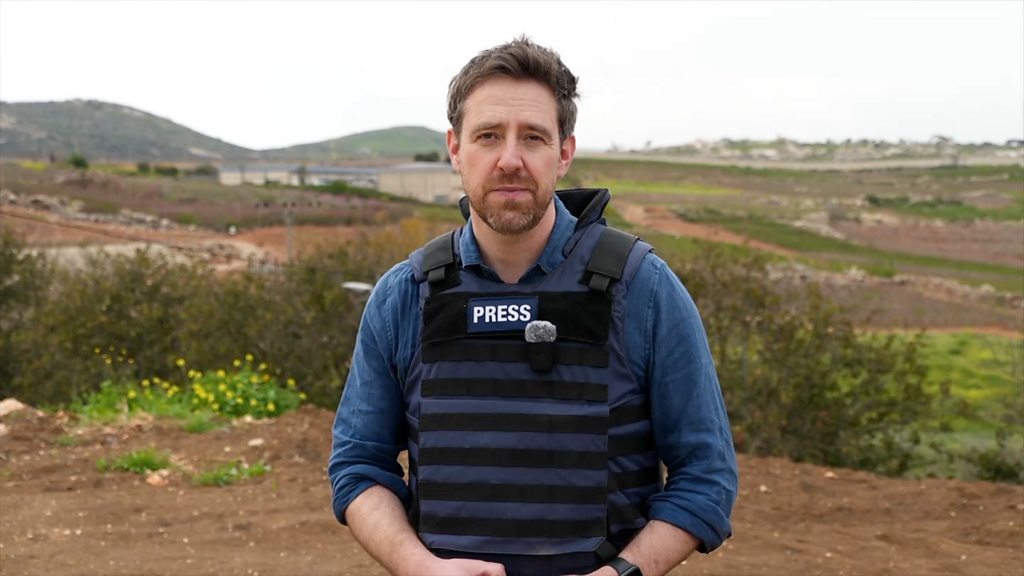
Perched on Israel’s northern border, the quiet town of Metula has become a flashpoint in a rapidly escalating crisis. Surrounded on three sides by Lebanon, its residents now live under the constant threat of rocket fire from Hezbollah militants. BBC foreign correspondent Nick Beake’s recent visit reveals a community bracing for a conflict that could spiral into a regional war.
The streets, once bustling with tourists drawn to Metula’s scenic vineyards and mountain views, are now eerily quiet. Schools have relocated, bomb shelters are stocked, and families debate whether to flee south. “We don’t know if the next siren will be the one that changes everything,” one resident told Beake. The tension is palpable—a single miscalculation could ignite a full-scale war between Israel and Lebanon, with devastating global consequences.
Hezbollah’s Growing Threat: A Proxy War at the Boiling Point
Hezbollah, the Iran-backed militant group, has intensified cross-border attacks since the October 7 Hamas assault on southern Israel. What began as sporadic rocket fire has escalated into daily exchanges, with Israeli airstrikes hitting deeper into Lebanese territory. Analysts warn that Hezbollah’s arsenal—estimated at 150,000 rockets—could overwhelm Israel’s Iron Dome defenses, forcing a ground invasion.
The stakes are high. Unlike Hamas, Hezbollah is a battle-hardened force with advanced drones, anti-tank missiles, and direct Iranian support. A full-blown war would not only devastate Lebanon—already crippled by economic collapse—but could also drag in Iran, Syria, and even the U.S., which has deployed warships to the region as a deterrent.
Global Implications: Why the World Should Be Watching
The Israel-Lebanon border is more than a local conflict—it’s a tinderbox with the potential to reshape the Middle East. Oil markets are already jittery; a wider war could disrupt shipping in the Mediterranean and send energy prices soaring. European nations fear a new wave of refugees, while the U.S. and Russia risk being pulled into opposing sides of a proxy war.
Diplomatic efforts to avert catastrophe are faltering. The U.N. has called for de-escalation, but with Israel vowing to “restore security” and Hezbollah refusing to back down, the path to peace is narrowing. Meanwhile, civilians on both sides pay the price—over 100,000 Israelis and Lebanese have fled their homes near the border.
A Fragile Ceasefire—Or the Calm Before the Storm?
For now, the fighting remains contained, but experts warn it’s a fragile equilibrium. “This isn’t just about rockets—it’s about signaling,” says Dr. Mira Tzoreff, a Middle East analyst at Tel Aviv University. “Hezbollah wants to show strength without triggering an all-out war, but the risk of accidental escalation is huge.”
Israel’s government faces mounting pressure to act decisively. Prime Minister Benjamin Netanyahu has warned that his patience is “wearing thin,” while Defense Minister Yoav Gallant has openly discussed military plans for Lebanon. Meanwhile, Hezbollah leader Hassan Nasrallah has boasted that his fighters are “ready for the battle of their lives.”
Conclusion: The World Holds Its Breath
As diplomats scramble and families flee, the question looms: Will cooler heads prevail, or are we witnessing the first chapters of a devastating regional war? The people of Metula, like so many others caught in the crossfire, can only wait and hope. But with each passing day, the drums of war grow louder—and the world edges closer to a conflict it cannot afford.
For now, all eyes remain fixed on this quiet border town, where the next missile could change everything.
