



Ukrainian Drone Strike Kills Two Children in Russia: Escalation Sparks Global Alarm
A Tragic Escalation in the Shadow War
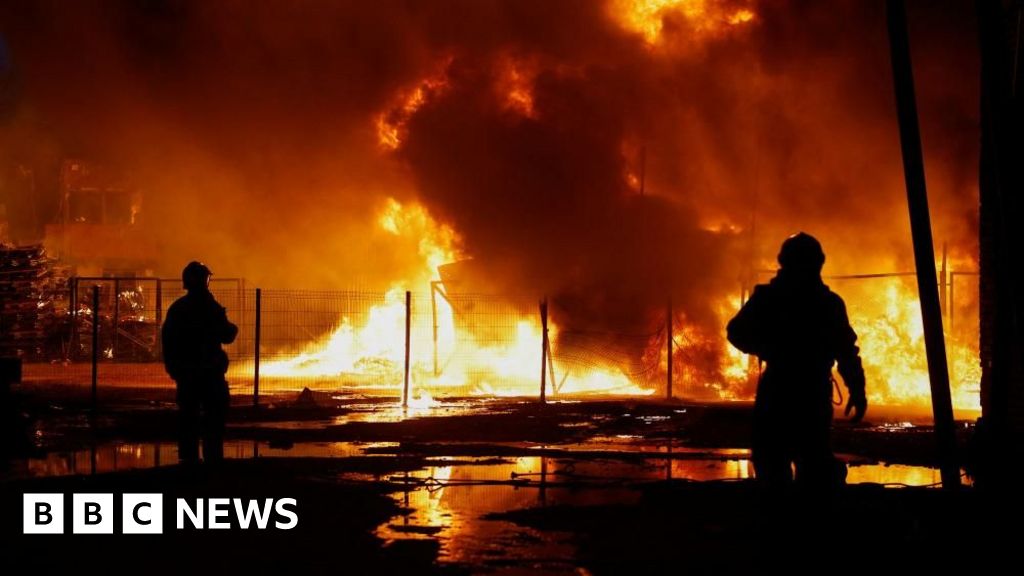
In a grim escalation of cross-border hostilities, a Ukrainian drone strike struck a residential area in Russia’s Kursk region, killing two children and injuring several others, according to Russian officials. The attack, which targeted a village near the Ukrainian border, marks one of the deadliest incidents involving civilians on Russian soil since the war began. As Kyiv intensifies its long-range strikes against Russian military and energy infrastructure, this tragedy underscores the unintended—and increasingly unavoidable—human cost of a conflict with no end in sight.
The Attack: What We Know
Russian authorities reported that the strike occurred early Tuesday morning, hitting a residential building in the village of Gorodishche. Regional governor Roman Starovoit confirmed the deaths of two minors, aged 10 and 16, and said at least three adults were wounded. Ukrainian officials have not publicly claimed responsibility, but the attack aligns with Kyiv’s recent strategy of targeting Russian border regions in retaliation for Moscow’s relentless bombardment of Ukrainian cities.
While Ukraine has largely focused its drone campaigns on military installations and oil refineries, this incident highlights the growing risk of collateral damage as both sides expand their use of unmanned aerial systems. Russian state media broadcast images of smoldering rubble and grieving families, framing the strike as evidence of Ukrainian “terrorism”—a narrative likely to fuel domestic outrage.
Global Context: A War Without Borders
The strike comes amid heightened tensions between Russia and NATO, with Western leaders warning that the conflict could spill beyond Ukraine’s borders. Just last week, a Ukrainian drone was intercepted near a NATO airbase in Romania, raising fears of accidental escalation. Meanwhile, Russia has ramped up its own aerial assaults, launching missiles at Ukrainian energy grids and civilian areas in what Kyiv calls a deliberate campaign to freeze the country into submission.
The international community has watched with growing unease as the war enters its third year with no diplomatic breakthrough. The United Nations has repeatedly condemned attacks on civilians, but with both sides accusing each other of war crimes, accountability remains elusive. This latest incident is likely to reignite debates over the legality of cross-border strikes and the ethical boundaries of modern warfare.
Why This Matters
The killing of children on Russian soil is a stark reminder that the ripple effects of this war extend far beyond the battlefield. For Russia, the attack could harden public support for President Vladimir Putin’s “special military operation,” silencing dissent and justifying further mobilization. For Ukraine, it risks alienating Western allies who have cautioned against strikes deep inside Russia, fearing a direct NATO-Russia confrontation.
Globally, the incident underscores the destabilizing impact of drone warfare, which blurs the lines between military and civilian targets. Unlike traditional artillery, drones are harder to intercept and easier to deny, making attribution—and accountability—a persistent challenge. As more nations invest in drone technology, the Kursk strike serves as a grim preview of future conflicts where civilians bear the brunt of remote-controlled violence.
The Human Toll
Behind the geopolitical calculations lie shattered lives. The two children killed in Gorodishche joined the grim tally of over 10,000 civilians—including hundreds of minors—who have died in this war, according to UN estimates. Their deaths will be weaponized by both sides: Russia to justify its invasion, Ukraine to highlight Moscow’s hypocrisy after years of targeting Ukrainian schools and hospitals.
Local reports describe a scene of chaos, with residents digging through debris to rescue survivors. “We heard an explosion, then screams,” one neighbor told Russian media. “No one expected death to come from the sky here.” Such testimonies echo the trauma felt in Ukrainian towns like Bucha and Mariupol, where civilian massacres have become synonymous with Russian occupation.
What Comes Next?
The attack is unlikely to trigger an immediate military shift, but it could strain Ukraine’s relations with its Western backers. The U.S. and Germany have previously opposed strikes inside Russia using their supplied weapons, fearing escalation. However, as Ukraine faces ammunition shortages and battlefield setbacks, its leaders may argue that asymmetric warfare—including cross-border drone raids—is their only viable strategy.
For the international community, the strike reinforces the urgent need for renewed diplomatic efforts. With peace talks stalled and both sides entrenched, the risk of further civilian casualties grows by the day. As UN Secretary-General António Guterres warned last month, “Every escalation brings us closer to a point of no return.”
A Conflict With No Winners
As the sun set over Gorodishche, the funerals of two children served as a somber testament to a war that shows no mercy. Their deaths, whether framed as collateral damage or an act of war, will not tip the scales militarily—but they will deepen the scars of a conflict that has already stolen too many innocent lives. In a world increasingly desensitized to distant wars, this tragedy is a harrowing reminder: in the calculus of modern warfare, civilians are too often the first casualties, and the last thought.
The international community must now decide whether to intervene more forcefully or risk witnessing more children buried under the rubble of a war without end.
