


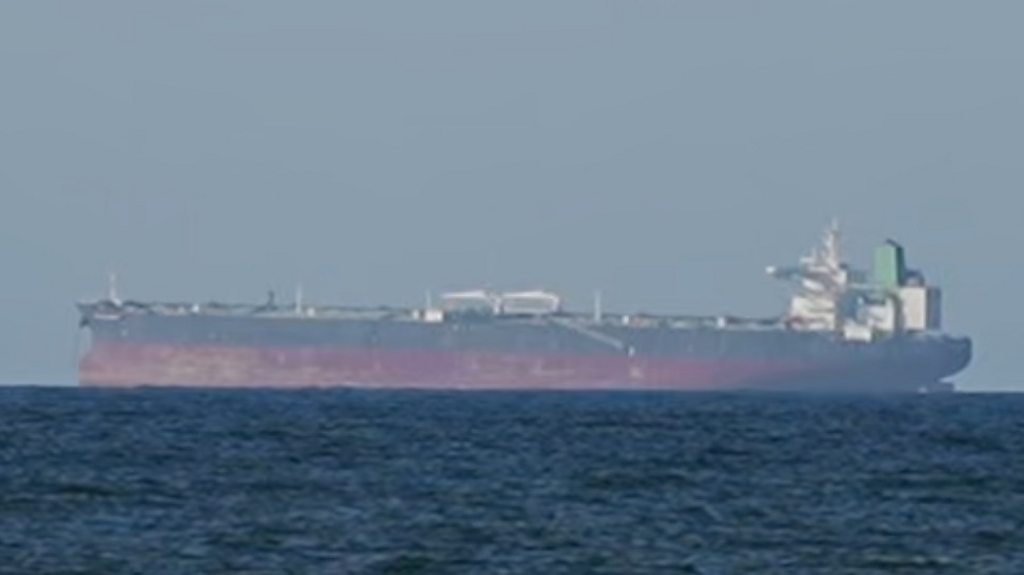

U.S. Enforces Naval Blockade on Iran, Escalating Global Tensions
A Dramatic Showdown at Sea
The Strait of Hormuz, a narrow but critical artery of global trade, has become the epicenter of a dangerous new confrontation. The United States has deployed warships to enforce a naval blockade on Iranian ports, effectively cutting off maritime traffic in and out of the country. This unprecedented move marks a sharp escalation in long-standing tensions between Washington and Tehran, raising fears of a wider conflict that could destabilize the Middle East and disrupt global energy supplies.
The blockade comes amid heightened hostilities following Iran’s recent military provocations, including missile tests and alleged support for regional militant groups. With oil tankers now halted and commercial shipping under scrutiny, the economic and geopolitical repercussions are already rippling across the world.
Why This Blockade Matters
1. Choking Iran’s Economy
Iran relies heavily on maritime trade, particularly oil exports, which account for a significant portion of its revenue. By sealing off its ports, the U.S. aims to cripple Tehran’s financial lifeline, forcing concessions on its nuclear program and regional activities. However, Iran has historically responded to sanctions with defiance—raising the risk of retaliatory strikes or attempts to bypass the blockade.
2. Global Energy Markets at Risk
Approximately 20% of the world’s oil supply passes through the Strait of Hormuz. Any prolonged disruption could send fuel prices skyrocketing, worsening inflation in economies still recovering from pandemic-era shocks. Europe, already struggling with energy shortages due to the Russia-Ukraine war, could face further strain.
3. A Flashpoint for Wider Conflict
Iran has repeatedly threatened to close the Strait of Hormuz if pressured. If Tehran makes good on that threat, the U.S. and its allies may be drawn into direct military clashes. Regional players, including Israel and Saudi Arabia, could also be pulled into the fray, turning a blockade into a full-blown regional crisis.
The Broader Geopolitical Context
The U.S. move is not isolated—it reflects years of deteriorating relations. Since the collapse of the 2015 nuclear deal, Washington has pursued a “maximum pressure” campaign against Iran, while Tehran has accelerated uranium enrichment and expanded its proxy wars in Yemen, Syria, and Lebanon.
China and Russia, both strategic partners of Iran, have condemned the blockade as “illegal coercion.” If they provide alternative trade routes or military support, the standoff could evolve into a broader great-power confrontation. Meanwhile, European nations, caught between energy needs and alliance commitments, are scrambling to mediate before the crisis spirals out of control.
How the World Is Reacting
- Iran: The government has denounced the blockade as “piracy” and vowed to defy it, possibly by ramping up clandestine oil shipments or targeting U.S. assets in the region.
- U.S. Allies: The UK and France have expressed cautious support but urged diplomatic solutions. Gulf states, while wary of Iran, fear being caught in the crossfire.
- Global Markets: Oil prices surged by 5% within hours of the announcement, with analysts warning of further volatility.
- United Nations: The Security Council is expected to hold an emergency session, though divisions among permanent members may prevent decisive action.
What Comes Next?
The blockade is a high-stakes gamble. If successful, it could force Iran back to negotiations—but if Tehran retaliates aggressively, the Middle East could plunge into another devastating conflict. Key developments to watch:
- Iran’s Response: Will it attempt a breakthrough via diplomacy or escalate militarily?
- China’s Role: Will Beijing defy U.S. sanctions and continue buying Iranian oil?
- Economic Fallout: How will inflation-hit nations cope with another energy shock?
A World on Edge
As warships patrol the Persian Gulf, the world holds its breath. This blockade isn’t just about Iran—it’s a test of global power dynamics, economic resilience, and the fragile balance of peace in one of the world’s most volatile regions. If diplomacy fails, the consequences could be catastrophic, reshaping alliances and economies for years to come. For now, all eyes remain fixed on the waters of the Strait of Hormuz, where the next move could determine whether this crisis ends at the negotiating table—or on the battlefield.
