



As U.S. Sanctions Tighten, Cubans Face Growing Barriers to Escape Economic Crisis
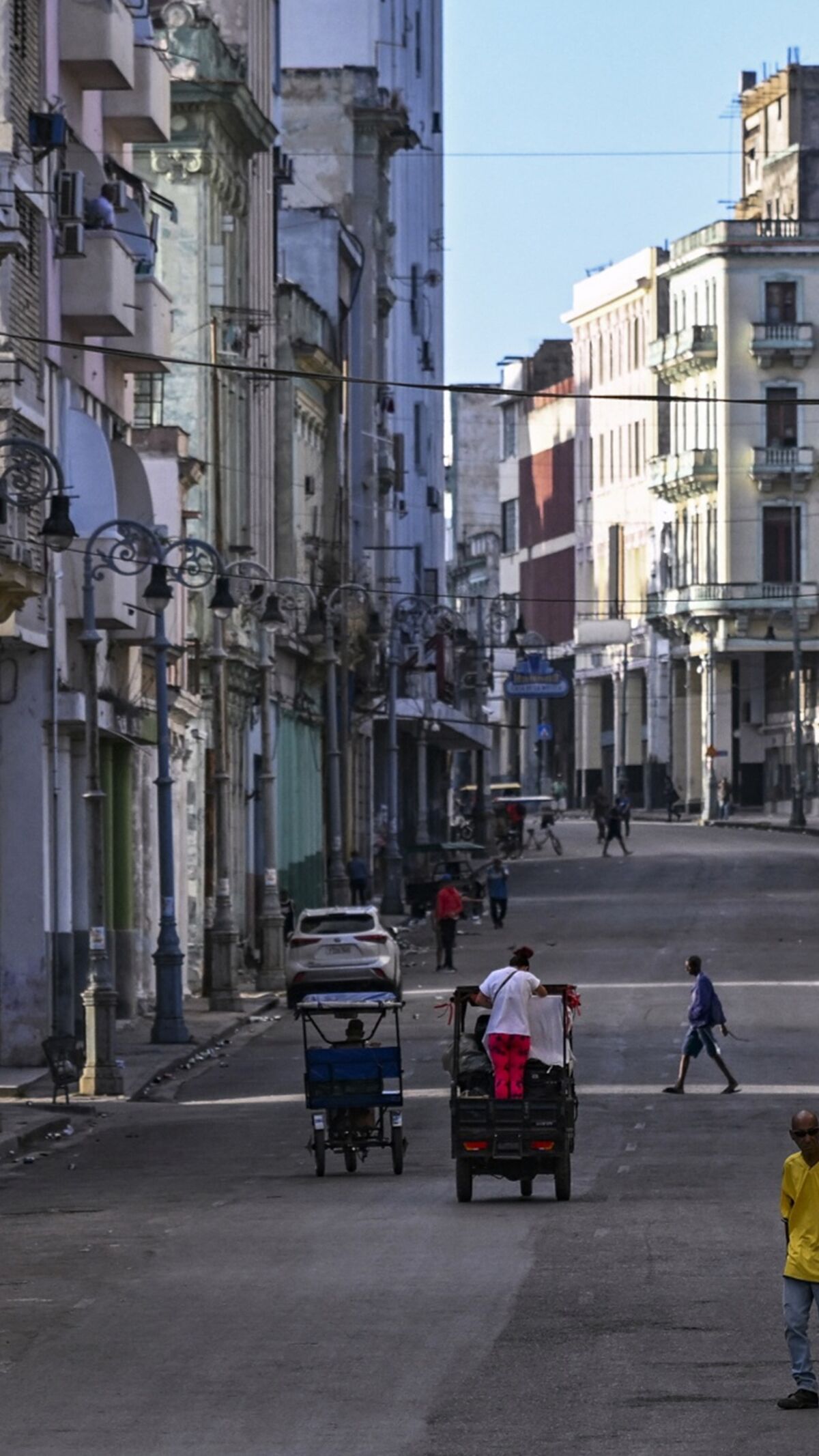
In the heart of Havana, the streets buzz with frustration and desperation. Long lines snake outside gas stations, where fuel shortages have become a daily reality. Supermarket shelves are increasingly bare, and the Cuban peso continues to plummet in value. Against this backdrop of economic turmoil, Cubans are finding themselves trapped on their island nation, as political and financial barriers erected by the U.S. government and its allies make emigration an increasingly distant dream.
This deepening isolation is the latest chapter in the long-standing geopolitical rivalry between Cuba and the United States. Under President Joe Biden’s administration, the U.S. has maintained—and even intensified—the stringent sanctions imposed during Donald Trump’s presidency, aimed at crippling Cuba’s communist government. The most recent measures, including restrictions on fuel shipments and tightened visa policies, have compounded the hardships faced by ordinary Cubans, many of whom see emigration as their only viable escape route.
A History of Tensions
The fraught relationship between the U.S. and Cuba dates back to the Cold War era, when the Cuban Revolution of 1959 brought Fidel Castro to power and aligned the island nation with the Soviet Union. The U.S. responded with a trade embargo in 1960, which has evolved over the decades but remains a cornerstone of American policy toward Cuba. While the Obama administration sought to thaw relations, restoring diplomatic ties and easing some restrictions, the Trump administration reversed course, reinstating stringent sanctions and labeling Cuba a state sponsor of terrorism.
The Biden administration, despite early hopes of a more conciliatory approach, has largely upheld Trump’s policies. Officials argue that the sanctions are a necessary tool to pressure Cuba’s government on issues of human rights and democratic reforms. Critics, however, contend that the measures disproportionately harm ordinary Cubans while failing to achieve their intended political objectives.
The Fuel Crisis: A New Breaking Point
One of the most immediate and visible consequences of the U.S. sanctions is the severe fuel shortage gripping Cuba. The island relies heavily on imports of petroleum products, primarily from Venezuela, its closest ally. However, U.S. sanctions have disrupted shipments, leaving Cuba with dwindling supplies of gasoline and diesel. The impact has been felt across all sectors of the economy, from agriculture and manufacturing to public transportation.
For many Cubans, the fuel crisis has exacerbated an already dire economic situation. Inflation has soared, and the government’s attempts to implement economic reforms, including currency unification, have failed to stabilize the economy. As a result, thousands of Cubans have sought refuge abroad, often embarking on perilous journeys by sea or overland through Central America.
Closing the Escape Routes
In recent months, however, even the option of emigration has become increasingly out of reach. The U.S. has tightened its visa policies for Cuban nationals, reducing the number of visas issued and making it harder for Cubans to obtain them. Meanwhile, neighboring countries like Nicaragua and Mexico have imposed new entry restrictions, effectively trapping many would-be migrants in Cuba.
For those who manage to leave, the journey is fraught with danger. Smugglers and human traffickers exploit the desperation of migrants, charging exorbitant fees for risky voyages. Many Cubans have died at sea or been stranded in foreign countries, unable to continue their journey to the U.S. or other destinations.
The Human Cost
Behind the statistics and geopolitical maneuvers lies a human tragedy that continues to unfold. Families are torn apart, with parents sending their children ahead in the hope of a better future. Young professionals, disillusioned by the lack of opportunities, are abandoning their careers and communities in search of stability abroad. Those who remain grapple with the psychological toll of living in a country where hope is increasingly scarce.
Ana Martínez, a 34-year-old teacher from Santiago de Cuba, describes the situation as “a prison without bars.” She has spent months trying to secure a visa to join her brother in Miami, but her applications have been repeatedly denied. “I don’t want to leave my country,” she says, “but what choice do I have? There’s no future here.”
International Reactions
The U.S. sanctions have drawn criticism from human rights organizations and international observers, who argue that they violate the principles of humanitarian law. The United Nations has repeatedly called for an end to the embargo, describing it as a major obstacle to Cuba’s development. Even some American allies, including Canada and European Union member states, have expressed concern over the impact of the sanctions on Cuba’s civilian population.
Within the U.S., the policy remains a contentious issue. While some lawmakers support the sanctions as a means of holding Cuba’s government accountable, others advocate for a more nuanced approach that addresses the needs of ordinary Cubans. The Cuban-American community, a politically influential group, remains divided on the issue, with some calling for harsher measures and others pushing for reconciliation.
Looking Ahead
As the Biden administration navigates its Cuba policy, the question remains: can sanctions achieve their intended goals without inflicting undue suffering on the Cuban people? For now, the answer appears elusive. The Cuban government, led by President Miguel Díaz-Canel, shows no signs of capitulating to U.S. demands, while ordinary Cubans bear the brunt of the escalating crisis.
The situation underscores the complexities of sanctions as a foreign policy tool. While they may exert pressure on governments, they often come at a steep human cost. As Cuba’s isolation deepens, the international community faces a moral dilemma: how to balance geopolitical objectives with the imperative to protect vulnerable populations.
For now, Cubans like Ana Martínez are left in limbo, caught between a government they cannot trust and a world that seems increasingly out of reach. Their plight serves as a stark reminder of the enduring consequences of geopolitical conflict—and the urgent need for solutions that prioritize humanity over ideology.
